Kosovo’s Thaci Sentenced for Witness Tampering, Sparking Debate on Specialist Chambers
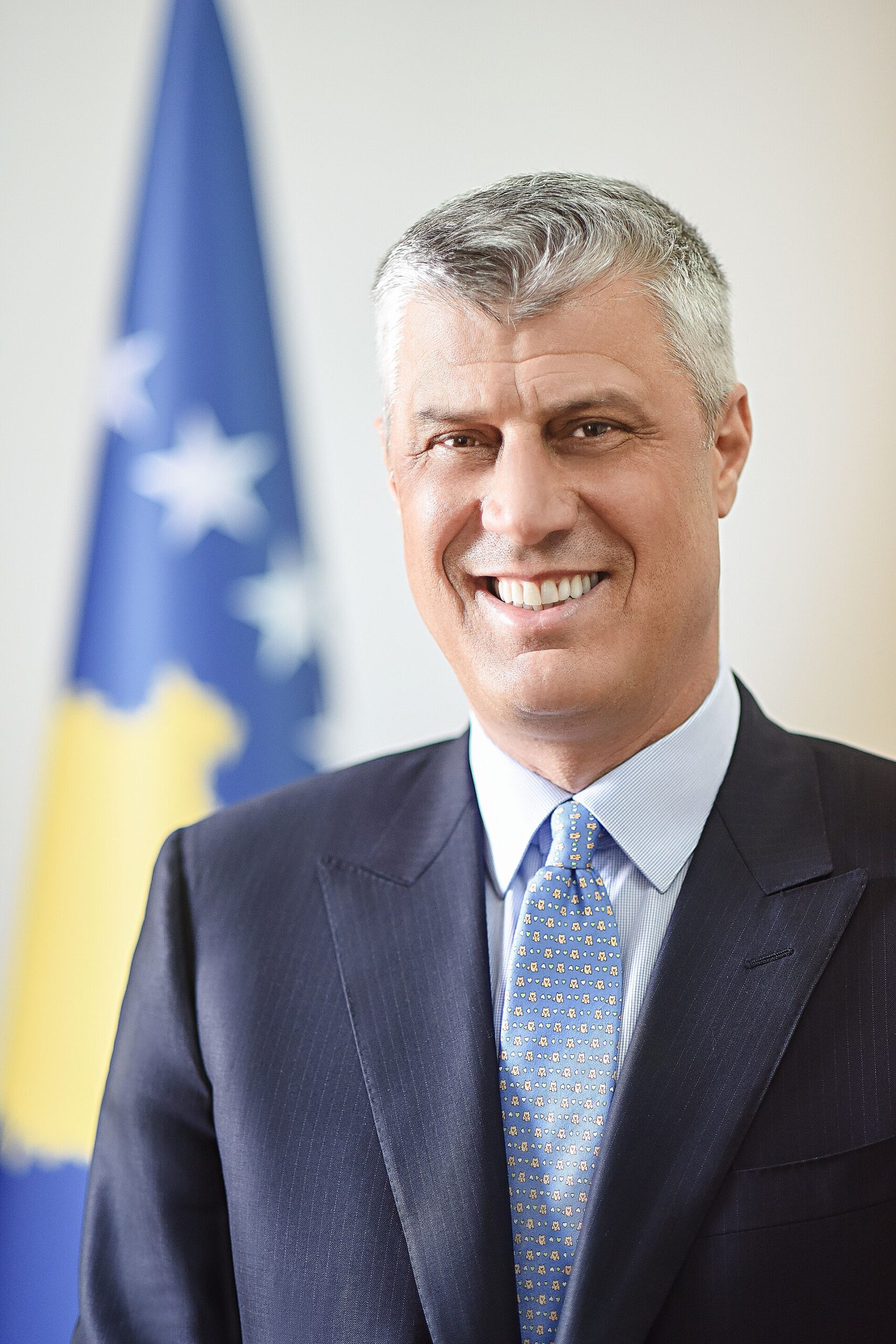
Former Kosovo President Hashim Thaci was sentenced to 17 months in prison on Tuesday for obstructing justice and attempting to influence witnesses during his war crimes trial at the Kosovo Specialist Chambers in The Hague. The sentence will be added to the 25-year term he received in September for war crimes committed during the 1998-1999 Kosovo War. The court found that Thaci had shared confidential information about witnesses with visitors at the detention facility and instructed them on how to influence testimony.
Three other individuals were also convicted in the same case: Bashkim Smakaj, former head of the Kosovo Intelligence Agency; Hajredin Kuci, former Minister of Justice; and Fadil Fazliu. Thaci, a former political leader of the Kosovo Liberation Army (KLA), is viewed by many in Kosovo as a hero, and the September war crimes conviction was met with anger and dismay. The latest ruling has reignited debate over justice, individual versus collective responsibility for the KLA’s actions, and trust in judicial institutions.
Government Response and Proposed Legal Changes
In a statement on Tuesday, the Kosovo government said: “Trust in justice is built not only on the decisions that are made, but also on the manner in which they are reached. Therefore, our commitment to the rule of law and our insistence on the full respect of rights and procedural guarantees are part of the same principled position: Justice must not only be done, but must also be fair, transparent, and credible.” The government has established a working group chaired by Foreign Minister Glauk Konjufca to draft a strategy for appeal proceedings. Prime Minister Albin Kurti said the working group continues to believe “the first-instance judgment of the Specialist Chambers is unjust, both legally and morally” and that “the government is working to secure a correction at the appeals level before the Specialist Chambers.” The Kosovo parliament is considering amendments to the law governing the Specialist Chambers, including narrowing the court’s mandate, limiting maximum sentences to 15 years, requiring sentences to be served in Kosovo, and allowing presidential pardons for final convictions.
Analysts Warn Against Interference
Political analyst Artan Muhaxheri cautioned that the initiative could be seen as interference. “From an international perspective, at first glance, this initiative could even be interpreted as an attempt to interfere in the judicial process,” he said. He stressed that Kosovo must demonstrate the measure does not conflict with its international obligations toward the EU and that it fully guarantees judicial independence.
Ehat Miftaraj, executive director of the Kosovo Law Institute, said the judicial process has created an impression that international actors have treated Kosovo with distrust and condescension. He acknowledged that reactions in Kosovo are shaped by the historical and emotional context of the war. “In a democratic society, every citizen, including political and institutional representatives, has the right to criticize judicial decisions,” Miftaraj said, while distinguishing between legal criticism and attempts to delegitimize courts or influence proceedings.
Specialist Chambers Under Scrutiny
The Kosovo Specialist Chambers was established in 2015 by the Kosovo parliament at the instigation of the European Union and United States to investigate serious crimes allegedly committed by KLA members. Located in The Hague for security reasons, including concerns about witness intimidation, the court has faced criticism from Kosovo’s political leadership. The ongoing debate reflects deep divisions over the legacy of the war and the pursuit of justice.