UN talks on killer robots stall as negotiations delayed to 2028
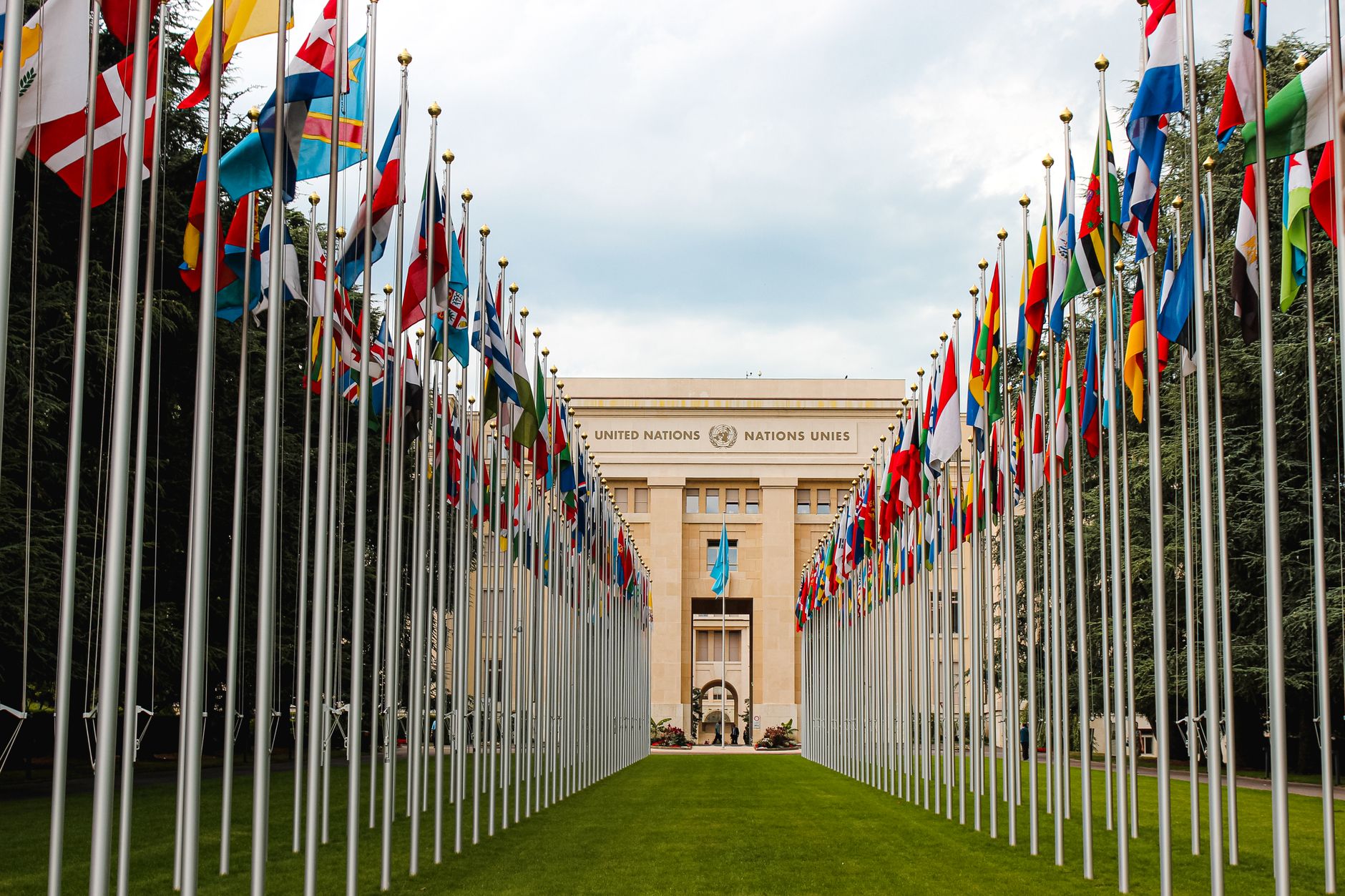
Efforts to create legally binding rules for autonomous weapons systems have been postponed until at least 2028, after United Nations discussions in Geneva concluded without a mandate for formal negotiations. Countries party to the Convention on Certain Conventional Weapons met for five days but failed to overcome resistance from several nations, particularly Russia, which blocked attempts to move toward a treaty. The result was a decision to continue discussions rather than launch negotiations on a legally binding instrument.
According to Julien Thöni, the Swiss diplomat who chaired the talks, 128 member countries agreed to begin “the elaboration of an international instrument on lethal autonomous weapons systems” over the next two years. The decision, seen by POLITICO, proposes that a group of governmental experts report its conclusions to a 2028 meeting of parties to the convention. However, the text makes no mention of a legally binding instrument, and some observers believe a treaty may not materialize even by that deadline.
Resistance and compromise
Russia refused to allow formal negotiations throughout the week, blocking the participation of observers including the European Union. To circumvent Moscow’s veto, discussions were held informally. A Brazilian diplomat noted that while Russia can be blamed, “they are not the only ones. Some people are hiding behind Russia.” Two EU diplomats identified the United States, United Kingdom, South Korea, Japan, Turkey, and Israel as also resisting binding regulation.
Several countries pushing for stronger action, including Ireland, Brazil, Belgium, and Austria, softened their positions in the final hours to avoid leaving the conference empty-handed, according to the Brazilian diplomat. France proposed a hybrid document with both non-binding and binding elements, while Germany advocated for an “international instrument” rather than a legally binding protocol. In the end, the parties settled for further talks without calling for a treaty by 2028.
The Stop Killer Robots coalition, which includes more than 300 organizations, said such systems are already being tested or deployed, including in Ukraine and Gaza. Nicole van Rooijen, the group’s executive director, warned that “autonomous weapons technology, including AI in the targeting cycle, is being deployed on the battlefield — delaying the creation of a legally binding instrument puts civilians and humanity at risk.” Verity Coyle, deputy director for arms at Human Rights Watch, called the outcome “disappointing” and said it “does not provide the urgent action needed to agree new rules, but the technology is racing ahead.”