Kallas Pushes EU Boost for Lebanese Army to Disarm Hezbollah
EU High Representative Kaja Kallas on Tuesday 12 May 2026 used the Foreign Affairs Council (Defence) in Brussels to press the case for increased EU funding to the Lebanese Armed Forces, framing the disarmament of Hezbollah and the restoration of state control across Lebanon as a direct corollary of European security in the wake of the Iran war.
From ceasefire to state authority
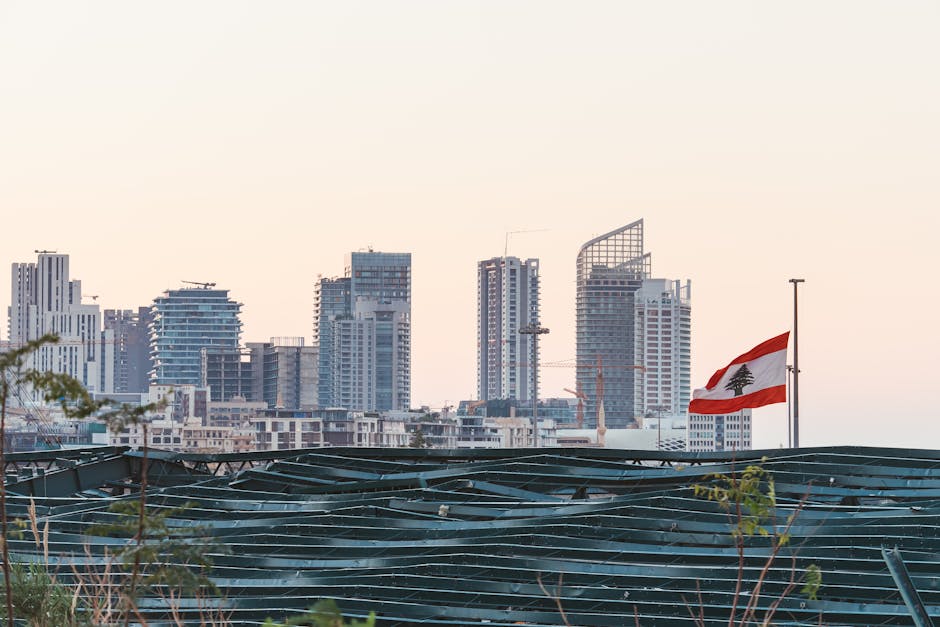
Speaking ahead of the defence ministers’ working session, Kallas argued that more money needs to be given to the Lebanese Armed Forces to help disarm Hezbollah and rebuild state institutions in Lebanon. The position dovetails with the conditional Iran ceasefire reached on 8 April 2026, which has been described in private EU briefings as “on life support” following Donald Trump’s rejection of Iran’s latest counter-proposal as “totally unacceptable” on Sunday and Monday. The Lebanon track is widely seen as the most fragile leg of the regional architecture, with the Israel-Lebanon ceasefire repeatedly tested by Israeli strikes and Hezbollah counter-actions.
The state-monopoly-of-force argument
The EU’s working assumption — shared with the United States and most G7 partners — is that the monopoly on the legitimate use of force in Lebanon must rest with the state, exercised through the Lebanese Armed Forces. Hezbollah, designated as a terrorist organisation by several Member States but not by the EU as a whole, retains arms and influence in southern Lebanon despite formal commitments to UN Security Council Resolution 1701. Brussels’ calculation is that financial and equipment support to the LAF — combined with diplomatic pressure — offers the most realistic pathway to gradually transferring authority away from non-state armed actors.
What is on the EU table
Concrete instruments under discussion include additional tranches via the European Peace Facility, support packages for LAF training and equipment, and coordinated bilateral contributions from Member States. France, Italy, Germany and Cyprus have historically been among the most active EU contributors to LAF support, and Cyprus, in its Council presidency, has placed the Lebanon file high on the foreign policy agenda. Member States also see synergies with EU support to the Lebanese economy, judiciary and border management — areas where the bloc has a long track record.
The broader Middle East picture
The conversation on Lebanon is taking place against the backdrop of an unresolved Iran war, a partial closure of the Strait of Hormuz, and renewed Israeli operations in Gaza and the occupied West Bank. The same Foreign Affairs Council that handled Lebanon on Tuesday had on Monday — under its civilian format — secured political agreement on EU sanctions targeting Israeli settlers and Hamas leaders. Senior EU diplomats describe the strategy as a “dual-track” approach: pressure on actors that destabilise the regional order, support to state institutions willing to enforce it.
What to watch next
Operational follow-through depends on Member States’ willingness to commit fresh resources at a moment when defence budgets are already absorbing the consequences of EUR 60 billion in Ukraine-related allocations. The June European Council and the EU-Western Balkans summit on 5 June 2026 will be the next inflection points. For now, Kallas’s intervention sets the political direction: state-building through state forces, not through bilateral deals with non-state actors.