EU Foreign Ministers Meet Ukraine’s Sybiha; New Russia Sanctions, Syria Dialogue
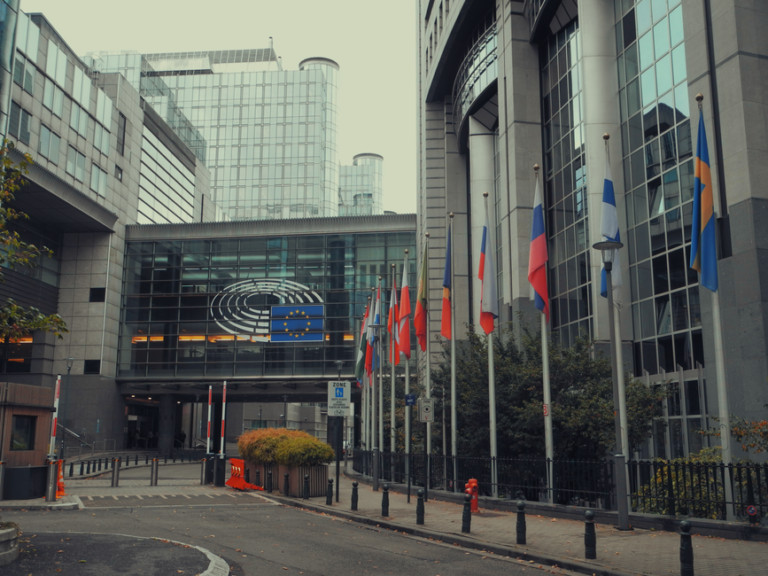
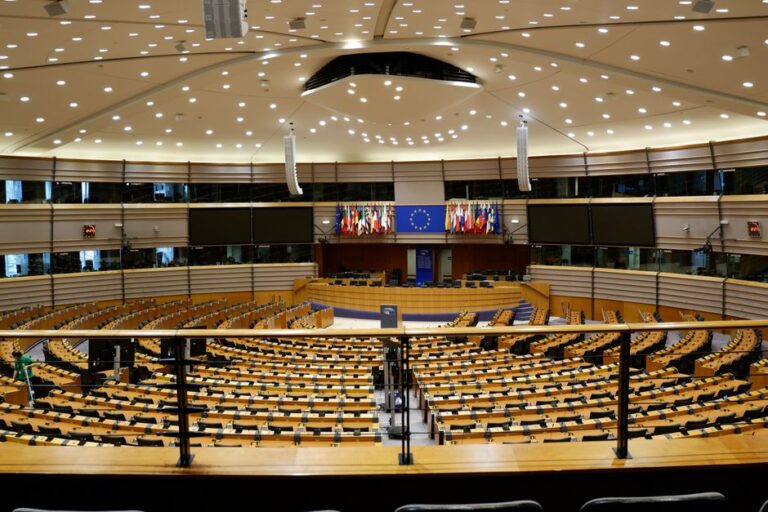
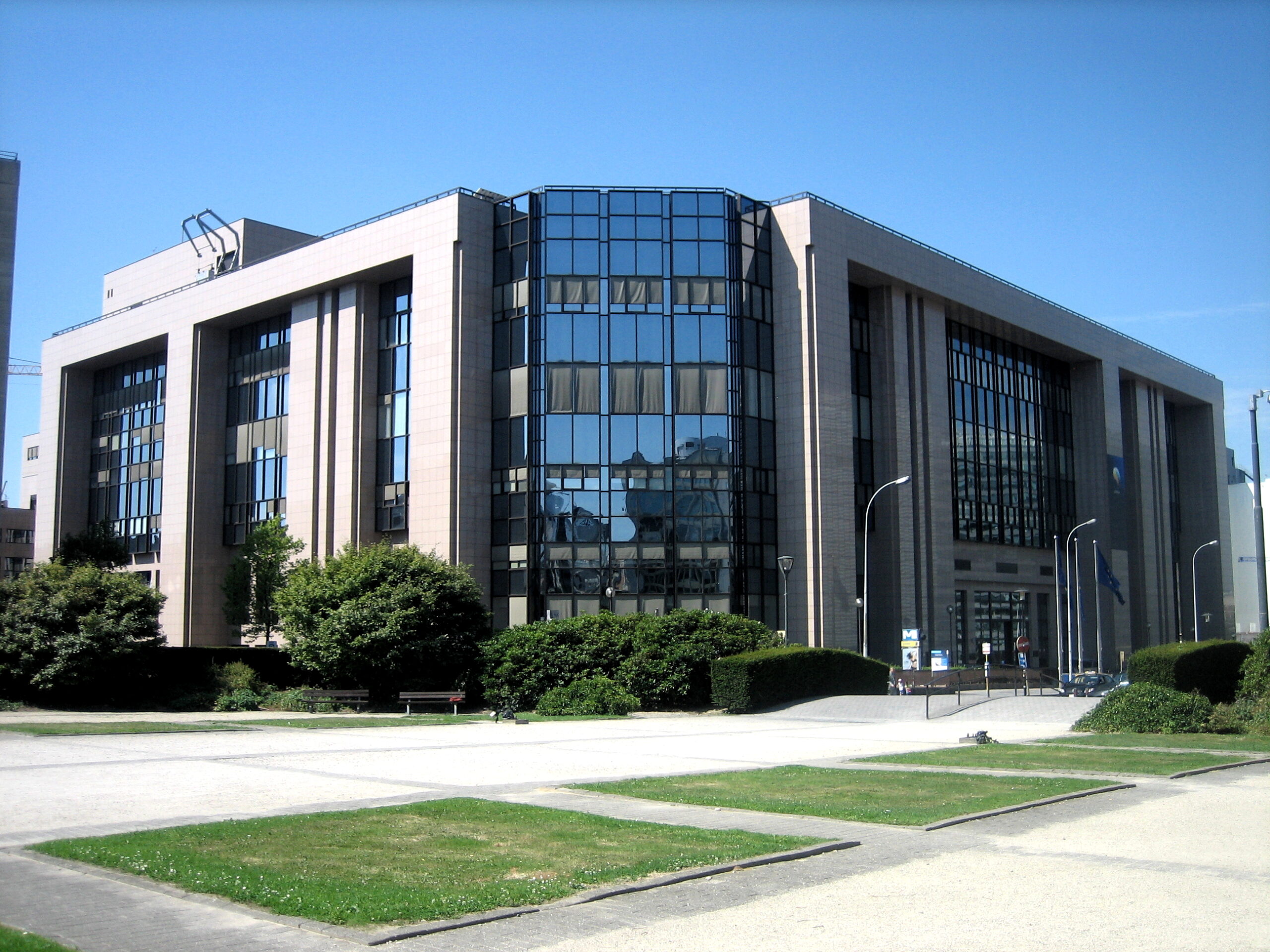
EU foreign ministers gathered at the Justus Lipsius building in Brussels on Monday 11 May 2026 for a Foreign Affairs Council chaired by High Representative Kaja Kallas, with Ukrainian Foreign Minister Andrii Sybiha joining the meeting for an informal exchange of views on the war and on a fresh wave of measures targeting Russia.
Sybiha at the table: sanctions and Ukrainian children
Speaking on arrival, Kallas told reporters the day would be “very long and busy”, opening with breakfast alongside the foreign ministers of the six Western Balkans partners, before moving to the discussion on Ukraine. “We saw that this ceasefire that Putin wanted was only very cynical to protect his parade, whereas they were actually attacking civilians in Ukraine,” Kallas said. “Ukraine kept to the ceasefire, like previously offered ceasefires unconditionally, what Russia did not really stand up to this. But today, we also expect to move forward with the sanctions targeting those people who are helping to work with the Ukrainian children that they have deported from Ukraine.”
High-Level Coalition for the Return of Ukrainian Children
At the end of the FAC, Kallas and Commissioner for Enlargement Marta Kos co-hosted at 17:00 CEST a high-level meeting of the International Coalition for the Return of Ukrainian Children, together with Sybiha and Canadian Foreign Minister Anita Anand. The coalition, which now includes more than 40 partner countries, focuses on identifying, tracing and returning the estimated 19,500 Ukrainian children Kyiv says have been deported or forcibly transferred to Russia or Russian-controlled territories. New sanctions targeting individuals and entities involved in the deportation network were on the table, expanding designations adopted in the EU’s 20th sanctions package on 23 April.
First EU-Syria high-level political dialogue
Later in the day, Kallas chaired the first EU-Syria high-level political dialogue, to which EU foreign affairs ministers were invited to discuss support for Syria’s institutional transition. “We are also moving forward with unsuspending the cooperation agreement with Syria,” Kallas explained earlier. “We will discuss where we can help Syria to build up institutions and all these issues — what they need for correct functioning of the country.” The dialogue marks the most significant EU diplomatic opening toward Damascus since the fall of the Assad regime in late 2024.
Western Balkans, Middle East, Canada
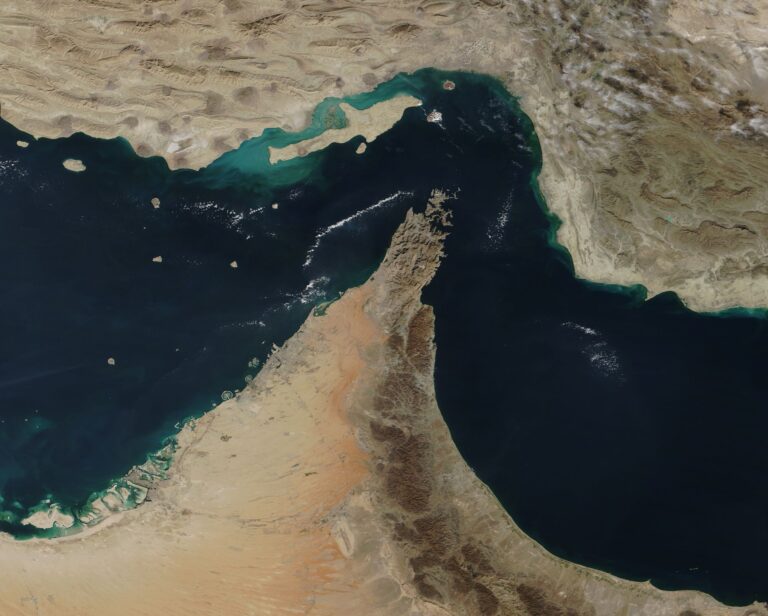
The Council agenda also covered deepening cooperation with the six Western Balkans partners on hybrid threats — with reforms expected from candidate countries in return for accelerated progress on enlargement — and the situation in the Middle East following the latest developments in the war in Iran. EU foreign affairs ministers held an informal exchange with Canadian Foreign Minister Anita Anand, with Kallas describing the relationship as “better than ever” and stressing alignment between Brussels and Ottawa as “very like-minded partners” on international fora.
Settler sanctions, threat analysis, EDA
Kallas signalled she expected “political agreement on the sanctions of violent settlers — hopefully we will get there”, referring to long-standing proposals targeting individuals involved in West Bank settlement violence that have been blocked by Hungary. Ministers were also informed about the outcomes of the updated EU threat analysis. In the margins of the Council meeting, Kallas chaired the European Defence Agency (EDA) Steering Board, in line with the EU’s growing focus on defence readiness and military support for Ukraine. Seventy-six years after Schuman, the question of whether Europe deepens or fragments may turn on what Brussels delivers in this single day of meetings — sanctions, children, Syria, settlers and Balkans.