Iran’s Supreme Leader Pledges Revenge Following Death of His Father
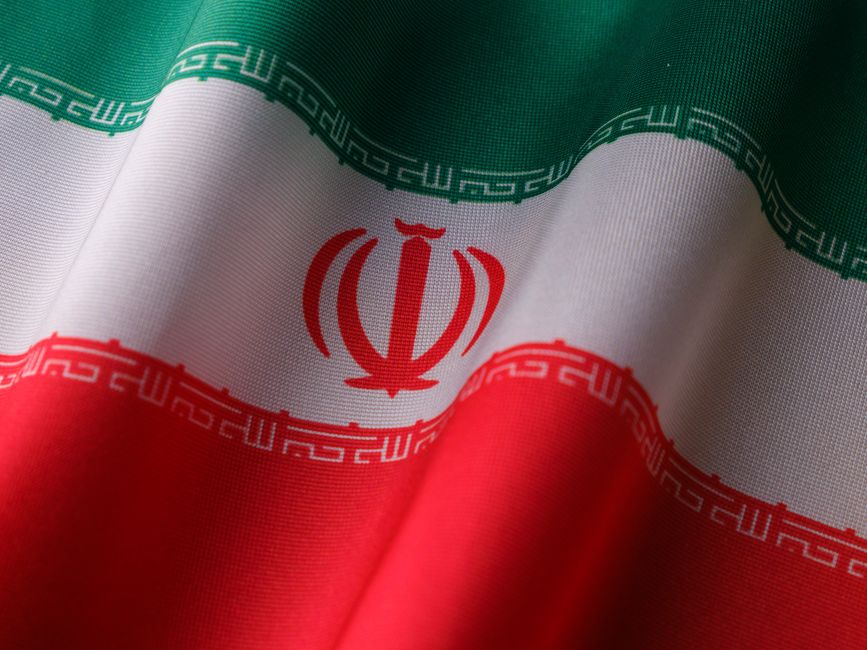
Iran’s Supreme Leader Ali Khamenei has publicly vowed to seek revenge after the death of his father, in a statement that has drawn fresh international attention to the country’s leadership at a moment of heightened regional tension. The pledge, reported widely in international media, signals a deepening of personal as well as political grievances within Iran’s clerical establishment.
The declaration comes amid an already volatile period for the Islamic Republic, which has faced a series of military and strategic setbacks in recent months, including Israeli airstrikes that have targeted assets and individuals linked to Iran’s security apparatus across the wider Middle East region.
Mojtaba Khamenei’s Fate Adds to Uncertainty at the Top
Adding a further layer of intrigue to the situation is the prolonged public absence of Mojtaba Khamenei, the Supreme Leader’s son and a figure widely considered a potential future successor within Iran’s opaque power structure. According to reports, Mojtaba has not appeared in public for several months, and unverified accounts have suggested he may have been injured in an airstrike, with some sources claiming he was left disfigured as a result. Iranian authorities have not officially confirmed or denied these claims.
Mojtaba Khamenei has long been regarded as a significant behind-the-scenes figure within the Islamic Revolutionary Guard Corps and among influential clerical circles. His potential sidelining — whether temporary or permanent — could have meaningful implications for the succession dynamics that remain one of the most closely watched and least transparent aspects of Iranian governance. Analysts have noted that the regime has historically been reluctant to acknowledge any vulnerabilities among figures close to the Supreme Leader.
The vow of revenge from Ali Khamenei, if confirmed in its full context, would represent a notable departure from the more measured public language the Supreme Leader typically employs, even during periods of acute crisis. Iran has long operated a policy of strategic ambiguity when it comes to direct attribution of military responses, preferring to act through proxy networks and plausible deniability. A public pledge of retribution, however, raises the stakes considerably in terms of regional expectations and the pressure on Iran’s security establishment to deliver a visible response.
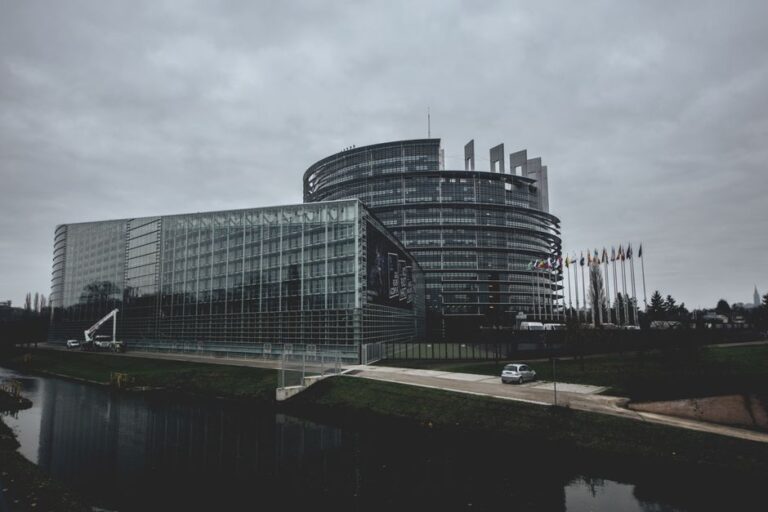
European governments have been monitoring the situation closely, with several foreign ministries issuing updated security advisories for the broader Middle East region. The European Union has not yet issued a formal statement specifically addressing the Supreme Leader’s remarks, though officials in Brussels have repeatedly called for de-escalation and a return to diplomatic channels as tensions between Iran and Israel continue to simmer following months of direct and indirect exchanges.
Iran’s domestic political landscape also complicates the picture. The country is navigating a fragile economic situation exacerbated by international sanctions, and public discontent has periodically surfaced in various provinces. A high-profile military or retaliatory action could serve to consolidate national sentiment behind the leadership, though analysts caution that such moves carry equally significant risks of further escalation with unpredictable consequences for the region and beyond.
For now, the international community is watching closely for any indication of what form Iran’s threatened retaliation might take, and whether Mojtaba Khamenei’s absence will be officially addressed as the regime navigates one of its most complex and pressured periods in recent memory.