Metsola Pushes to Transform European Parliament Debates from Monologues to Meaningful Exchange
The European Parliament is set to undergo a significant procedural overhaul this autumn, as President Roberta Metsola moves forward with reforms designed to breathe new life into plenary debates that critics have long dismissed as little more than a sequence of scripted statements delivered to near-empty chambers.
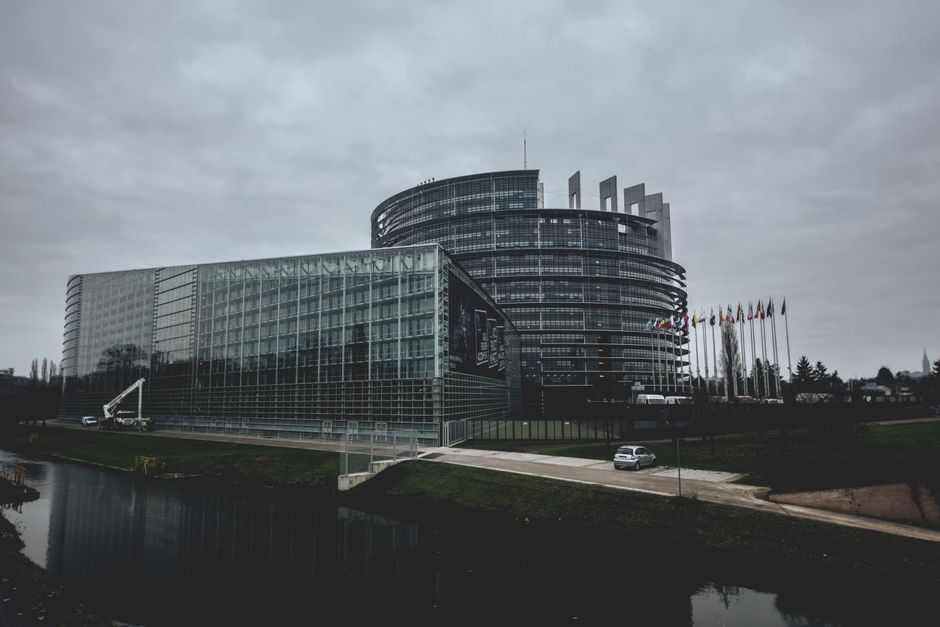
Beginning in September, a revised set of rules will govern how discussions unfold in the Strasbourg hemicycle, with the explicit aim of encouraging genuine back-and-forth exchanges between Members of the European Parliament rather than the current format, which often sees legislators read prepared remarks before departing the chamber. The changes reflect growing concern that the Parliament’s public-facing debates have become more oriented toward producing social media clips than fostering substantive political dialogue.
Reforming the Culture of the Chamber
The core challenge facing Metsola and her allies is a structural one: MEPs have little institutional incentive to remain in the chamber after delivering their allotted speaking time, and the existing format does not readily accommodate spontaneous intervention or direct challenge between political groups. According to reports, the incoming rules are intended to create more dynamic conditions in which parliamentarians are expected to engage with opposing arguments rather than simply broadcast their own positions.
The reform effort comes at a moment when European institutions are under heightened scrutiny over their accessibility and democratic legitimacy. With the Parliament representing over 400 million citizens across 27 member states, concerns about the perceived theatricality of its proceedings — and the chronically sparse attendance that often characterises major debates — carry particular weight. Officials close to the process have indicated that restoring a sense of authentic deliberation is central to Metsola’s broader agenda for the institution’s term.
Observers have noted that the problem is not unique to the European Parliament; national legislatures across the continent have struggled with similar issues of declining chamber attendance and the growing dominance of performative politics driven by digital communication strategies. Nevertheless, the supranational scale of the EU assembly makes the stakes somewhat different, given the institution’s role in shaping legislation that touches virtually every aspect of life across the bloc.
The practical mechanics of how the new rules will keep MEPs in their seats and promote genuine exchanges remain to be fully tested once the September session begins. Sceptics have pointed out that procedural changes alone may be insufficient if the underlying incentive structures — including the pressure on legislators to serve domestic political audiences via social media rather than engage with Brussels-based counterparts — are not also addressed.
Proponents of the reform argue, however, that even modest improvements in the quality of hemicycle debate could have outsized effects on public perception of the Parliament, particularly among younger European citizens who have grown accustomed to viewing the institution as remote and ineffectual. Whether Metsola’s initiative delivers on that promise will likely become clearer as the autumn session progresses and MEPs adapt — or resist adapting — to the new framework governing how Europe’s most prominent elected assembly conducts its business.