Iceland Edges Away from EU Membership After Referendum Setback
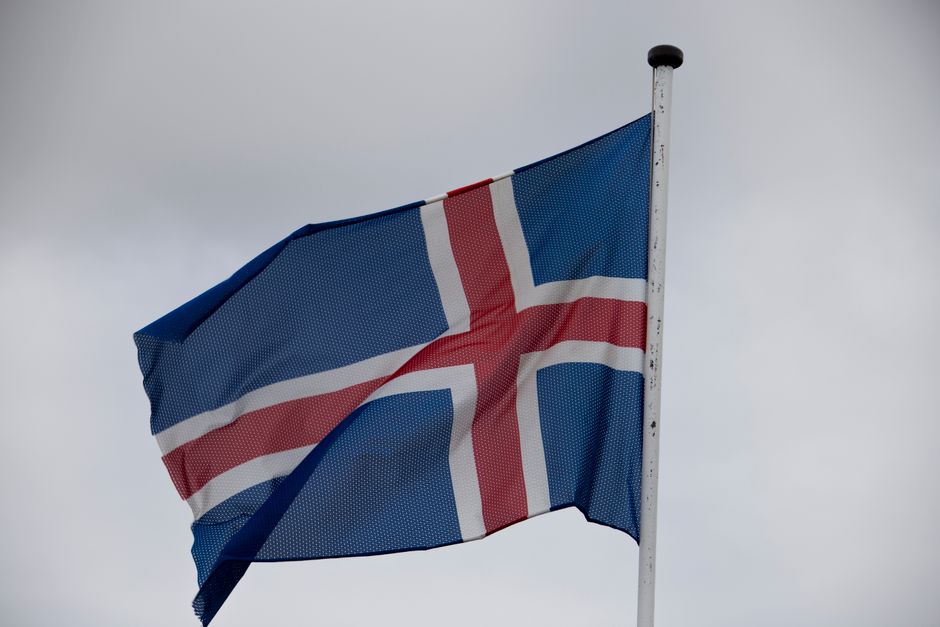
Iceland is moving closer to formally closing the door on European Union membership, with the country’s parliament expected to take up discussions on officially withdrawing its accession application after voters signalled their opposition to resuming negotiations with Brussels.
Prime Minister Kristrún Frostadóttir confirmed that the Althing, Iceland’s parliament, would debate the question of withdrawing the bid, while making clear that any resumption of EU accession talks was not on the horizon. The statement reflects the political reality following a referendum in which Icelandic voters declined to back a return to the negotiating table with the bloc.
Iceland submitted its application for EU membership in 2009 during the depths of a financial crisis that had devastated the country’s banking sector and raised urgent questions about the benefits of closer economic integration with Europe. Accession talks began but were suspended in 2013 after a change in government, and the application has remained in limbo ever since, with successive administrations showing little enthusiasm for reviving it.
A Question Long Left Unanswered
For more than a decade, Iceland’s relationship with the EU has occupied an ambiguous middle ground. The country is a member of the European Economic Area and the Schengen Area, giving it access to the single market and freedom of movement without full membership. Critics of accession have long argued that this arrangement offers most of the practical benefits of EU membership without requiring Iceland to cede sovereignty over sensitive areas such as fisheries policy — a sector of enormous economic and cultural importance to the island nation.
Supporters of membership, by contrast, have pointed to the limitations of Iceland’s current status, including its exclusion from EU decision-making processes that nonetheless shape rules it is required to follow. The debate has never been fully resolved, and the recent referendum result suggests that, for now, the Icelandic public is not persuaded that the trade-offs favour full accession.
The parliamentary debate on formally withdrawing the application would mark a significant symbolic step, even if the practical implications of doing so are limited given that talks have been frozen for years. According to reports, the prime minister’s remarks suggest the government is inclined to bring clarity to the situation rather than leaving the application indefinitely suspended.
The development is unlikely to cause significant alarm in Brussels, where enlargement fatigue and the complexity of ongoing accession processes involving Western Balkan states, Ukraine, and Moldova have already stretched the bloc’s institutional attention. Iceland’s decision to step back would simplify the picture without fundamentally altering EU enlargement dynamics.
For Iceland, the outcome reflects a broader pattern of ambivalence toward deeper European integration that has persisted across successive governments and generations of voters. While the country remains deeply embedded in European structures through its EEA and Schengen commitments, the question of full political union has consistently proved a bridge too far for the Icelandic electorate. Whether the Althing moves swiftly to formally close the application, or whether the debate prolongs the uncertainty further, will depend on the political calculus of the coming weeks.