Hormuz Crisis and US-Iran Deal: What It Means for Europe
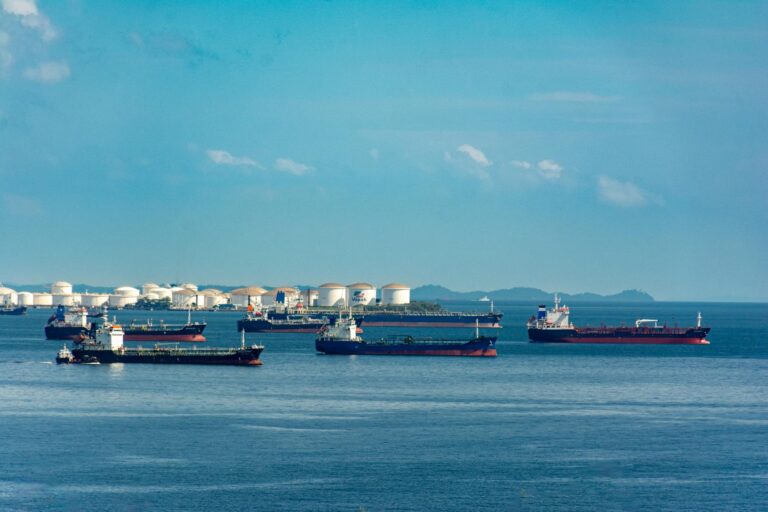
The Strait of Hormuz, through which one fifth of the world’s oil supply passes daily, became the fault line of a fresh global energy shock when mines disrupted tanker traffic in the weeks preceding the G7 summit in Evian. The consequences landed swiftly and unevenly across European economies already navigating sluggish growth and persistent inflation.
Insurance premiums for tankers transiting the strait surged by 400 per cent at the crisis peak, forcing several European energy importers to activate emergency protocols. Piraeus port traffic fell 18 per cent as Greek and Italian shipping operators absorbed punishing surcharges. TotalEnergies saw LNG shipments delayed, disrupting France’s energy supply chain at a moment when European gas storage levels offered limited comfort.
Germany, which routes roughly 12 per cent of its oil imports through Hormuz via indirect supply chains, faced renewed input cost pressures across its manufacturing sector — precisely the industries already struggling with weak export demand from China and elevated domestic energy costs. The crisis underscored a hard truth: REPowerEU’s push to diversify away from Russian gas did not insulate Europe from Middle Eastern supply shocks. American and Qatari LNG replaced one dependency without eliminating vulnerability to another.
The EU activated its Energy Security Mechanism in response, while the International Energy Agency coordinated a strategic reserve release shared with the United States, Japan, and South Korea. The intervention stabilised immediate supply concerns but could not address the underlying geopolitical risk so long as the Hormuz situation remained unresolved.
That changed, at least provisionally, at Evian. A preliminary US-Iran framework, brokered partly on the margins of the G7 summit between 15 and 17 June, was announced without classified details being made public. Markets did not wait for the fine print. Brent crude fell eight dollars per barrel on the news, settling around 71 dollars — a meaningful relief for European energy importers and a signal that traders judged the deal credible enough to price in reduced risk.
European energy futures dropped in tandem. TotalEnergies confirmed delayed LNG shipments are now resuming. The immediate pressure has eased, but the more consequential question is whether the preliminary framework holds long enough to reshape global supply fundamentals.
If it does, Iranian crude could re-enter global markets at a volume exceeding one million additional barrels per day. For Europe, that translates into structurally lower energy import costs, direct relief on inflation — which has remained stubbornly correlated with energy price movements across the eurozone — and improved current account positions for import-dependent economies such as Italy and Greece.
The European Central Bank is watching closely. Energy price stability would give the ECB meaningful room to maintain accommodative conditions or accelerate rate cuts, removing one of the principal obstacles to a European investment recovery. A durable reduction in energy costs could shift the growth calculus considerably for an institution that has had to balance inflation control against anaemic expansion.
Complications remain, and they are serious. Saudi Arabia and the United Arab Emirates view any Iranian return to global oil markets with open suspicion. Tehran reclaiming market share would intensify existing OPEC+ tensions, potentially triggering a Saudi-led production response that could erode the very price stability Europe is counting on. European energy majors are modelling multiple scenarios rather than committing to a single outcome.
The Hormuz crisis revealed, once again, that European energy security is a geopolitical problem as much as an infrastructure one. Diversification strategies matter, but they cannot substitute for diplomatic engagement with the volatile geography through which so much of the world’s energy still flows. The US-Iran preliminary deal offers Europe a window. Whether that window stays open depends on negotiations that remain, for now, classified.