
France’s bond market turmoil tests ECB as rate decision looms
France’s government bond yields have surged to multi-year highs, putting the European Central Bank in a difficult position ahead of its rate decision next Thursday. The yield on France’s 10-year government bond rose above 5% on Wednesday for the first time since 2002, and remained above that level on Friday. The spread over German 10-year bonds widened beyond 170 basis points, while the 30-year yield reached 5.5%, with a gap of 184 basis points over its German equivalent. Credit default swaps on French five-year debt climbed above 100 basis points on Thursday, a level not seen since October 2012.
The sell-off reflects investor concerns over France’s fiscal situation. Lawmakers are split over next year’s budget, which includes €43 billion in spending cuts and additional revenue measures, but the government lacks a majority to push it through. Moody’s, which rates France Aa3 with a negative outlook, is expected to deliver its verdict on Friday evening, and a downgrade is widely anticipated. A one-notch cut to A1 would bring Moody’s in line with S&P and Fitch.
ECB signals no immediate rescue
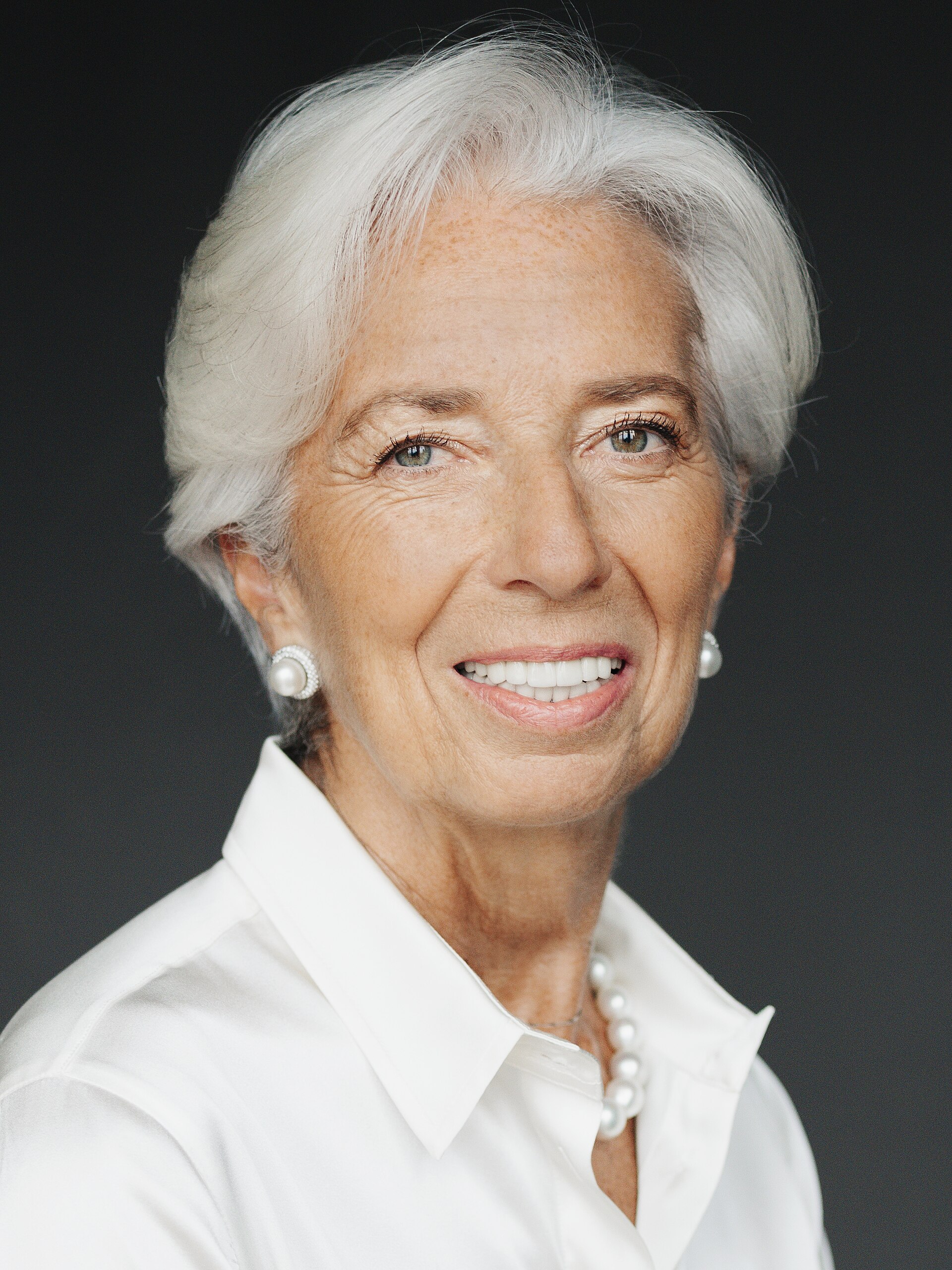
ECB President Christine Lagarde has played down hopes of intervention. Speaking on the sidelines of the IMF and World Bank annual meetings in Bangkok last week, she said: “there are particular circumstances that lead to some countries being more affected, France being a case in point.” She stressed that “the primary and first solution lies at home in France. And it has to do with fiscal policies.” Lagarde had earlier told the European Parliament on 28 September that long-term rates “have risen notably, which will slow growth.”
Banque de France governor Emmanuel Moulin said last Friday that conditions for ECB intervention were not met at that time, citing no financial fragmentation in the eurozone. Both officials spoke before France’s 10-year borrowing costs rose above 5%. The ECB has tools such as the Transmission Protection Instrument (TPI), created in 2022 but never used, which allows buying debt of countries whose borrowing costs climb in ways judged unjustified by fundamentals. However, eligibility criteria include following EU fiscal rules and keeping debt on a sustainable path. France’s debt-to-GDP ratio stands at 119.1%, and budget negotiations offer little prospect of quick deficit reduction.
Market pressure and policy dilemma
Carsten Brzeski, global head of macro at ING, noted in an investor note on Thursday that “the bond market has taken over the ECB’s job.” He estimated that for France, the recent rise in yields is “closer to a 50 basis point hike” in terms of tightening financial conditions. Brzeski expects the ECB to wait for new staff forecasts in December before deciding on its next rate move. He warned that “the bar for activating the ECB’s bond-buying programme remains high,” and that for France it would at least mean passing a full budget. Acting too early, he said, could be interpreted as monetary financing of the debt of a country unwilling to follow the rules.
The ECB has raised rates twice this year, bringing the deposit rate to 2.5%, but eurozone inflation jumped to 3.8% in September, driven by energy prices. German yields have climbed since September, and Brzeski said the effect on growth and inflation roughly matches a 25 basis point hike. He sees next week’s rate meeting as “uneventful on action but clearly not on words.” Meanwhile, French trade unions, disappointed after a meeting with Prime Minister Sébastien Lecornu on Wednesday, are calling for a large mobilisation on 5 November. Sophie Binet, head of the CGT, urged to “generalise the strike.” Paris police prefect Patrice Faure has advised business owners to hire private security in anticipation of protests.
Possible ECB options
If the turmoil spreads, the ECB could activate the TPI or the Outright Monetary Transactions (OMT) programme, created in 2012, which allows unlimited purchases of a struggling country’s short-term bonds. Brzeski expects the ECB to quietly pause the reduction of its bond holdings and reinvest maturing debt flexibly, as during the COVID-19 pandemic. He sees TPI as a last resort should turmoil spread to other eurozone bond markets. If France continued to fall short of EU fiscal rules, he suggested, “the ECB might even consider purchasing bonds from almost all eurozone countries, except for France.”