France cuts fuel prices by up to 18 cents per litre, promising €10 savings per tank
French fuel prices will fall by up to 18 cents per litre from Sunday 1 November, after the government announced a series of measures aimed at easing the burden on households and businesses. The reduction applies to diesel, petrol, domestic heating oil, diesel for transport professionals, and off-road diesel used by farmers, fishers, and construction workers. The measure will remain in place until the end of January.
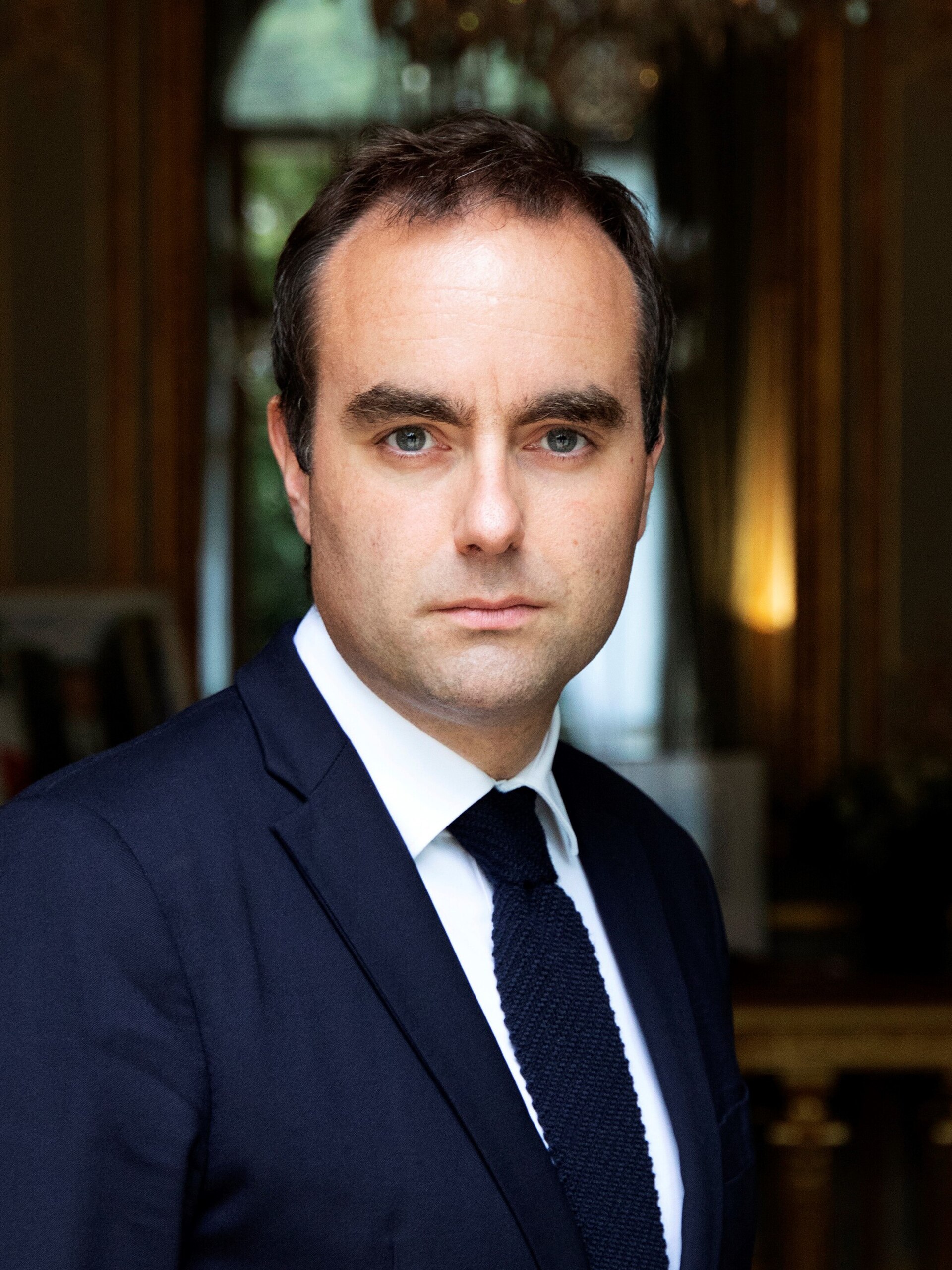
The announcement was made by Sébastien Lecornu on X on Monday 12 October, following a meeting with fuel distributors. Lecornu said the state was “shouldering its responsibilities” in the face of a crisis that was not chosen. The government will sell 10 million barrels of diesel at cost price from its strategic reserves, which were purchased before the start of the war in Iran at €0.28 per litre.
France among EU countries with highest pump prices
According to data from fuel-prices.eu, the average price of diesel in France was €2.355 per litre as of 5 October, compared with an EU-27 average of €2.149. Only Finland (€2.553), the Netherlands (€2.506), and Denmark (€2.488) had higher diesel prices. In contrast, Spain had the lowest average at €1.918 per litre.
For petrol, the average price in France was €2.212 per litre, above the EU average of €2.006. Denmark had the highest petrol price at €2.605, followed by the Netherlands (€2.432) and Finland (€2.370). When adjusted for wages, a day’s pay in France buys 56.2 litres of petrol, slightly below the EU average of 57.4 litres.
Heating oil in France cost €1,907.08 per 1,000 litres on 5 October, which is €165.14 more than the EU average and €179.09 more than the euro area average, according to European Commission figures. In comparison, Germany’s heating oil price was €1,726.40 per 1,000 litres, while Belgium and Spain were even lower at €1,533.40 and €1,495.34 respectively. The fuel price reduction is expected to save drivers around €10 for a full tank, according to the prime minister. The move comes as France faces some of the highest fuel costs in the European Union, putting pressure on both consumers and businesses.