Italy Extends Diesel Tax Relief for One Final Week as Fuel Subsidy Programme Nears Its End
Italy has granted motorists a brief reprieve at the fuel pump, extending a discount on diesel excise duty by one additional week, with officials signalling that the measure is unlikely to be renewed again in its current form. The 17.1 cent per litre reduction will remain in place until 17 September, offering drivers a short-term cushion against elevated energy costs before the government moves away from blanket fuel subsidies.
The extension marks the fifteenth consecutive intervention by Rome to shield consumers and businesses from surging fuel prices, a policy effort that has accumulated a total cost of approximately €2.7 billion since the measures were first introduced. The scale of the expenditure underscores the significant budgetary pressure the programme has placed on Italian public finances, a factor widely cited as influencing the government’s decision to wind down general discounts.
A Costly Shield Against Energy Price Pressures
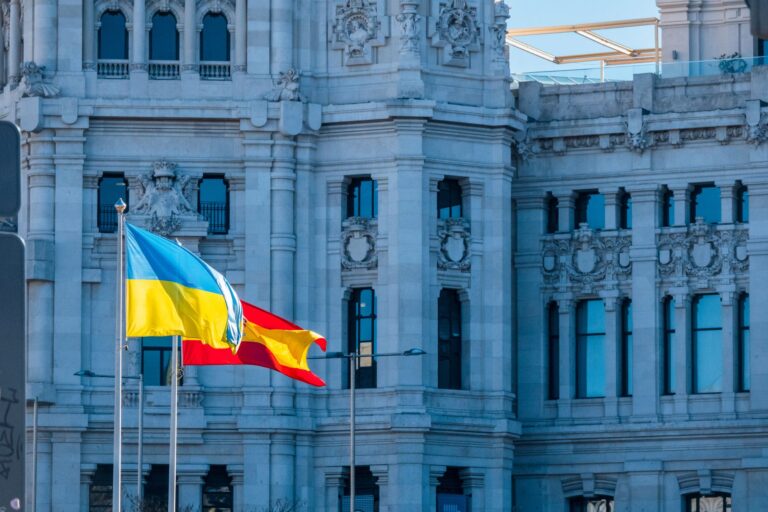
The Italian fuel relief scheme was originally launched in response to the dramatic spike in energy prices that swept across Europe following Russia’s invasion of Ukraine, which sent oil and gas costs to multi-year highs and squeezed household budgets across the continent. Italy, like several other European Union member states, opted to absorb part of the cost at the pump through temporary excise duty reductions rather than allowing the full market price to be passed on to consumers and transport operators.
The cumulative €2.7 billion price tag has prompted growing debate within the government and among fiscal watchdogs about the long-term sustainability of such blanket interventions, particularly at a time when Italy is under pressure to reduce its public deficit in line with European fiscal rules. According to reports, authorities have indicated this latest one-week extension is intended to serve as a final transitional measure rather than a continuation of the subsidy in its existing, universally applied format.
The phasing out of the general discount does not necessarily mean all targeted support will disappear immediately. Officials have suggested that future measures, if introduced, may be more narrowly focused on specific sectors — such as haulage, agriculture, or low-income households — rather than applied uniformly across all petrol station sales. Such an approach would allow the government to direct relief where it is deemed most economically necessary while limiting the overall fiscal impact.
Consumer and industry groups have reacted with mixed responses to the news. Freight and logistics associations, which rely heavily on diesel for their operations, have long called on the government to maintain some form of support given persistently elevated running costs. Meanwhile, environmental advocates have argued that prolonged fuel subsidies undermine Italy’s commitments to reducing carbon emissions and transitioning towards cleaner transport alternatives.
The broader European context adds further complexity to Rome’s decision. Several EU governments that introduced similar emergency fuel relief measures in 2022 have already begun withdrawing them as global energy markets have stabilised from their peak, though prices remain above pre-crisis levels in many areas. Italy’s gradual exit from its own scheme reflects a common trend across the bloc as governments attempt to balance fiscal consolidation with residual cost-of-living concerns ahead of a challenging autumn economic period.
With the 17 September deadline now set, Italian drivers and businesses have one final week to benefit from the reduced pump price before the landscape of fuel taxation in the country shifts once again.