Europeans Brace for Higher Energy Bills as Gas Prices Climb to Three-Year Highs
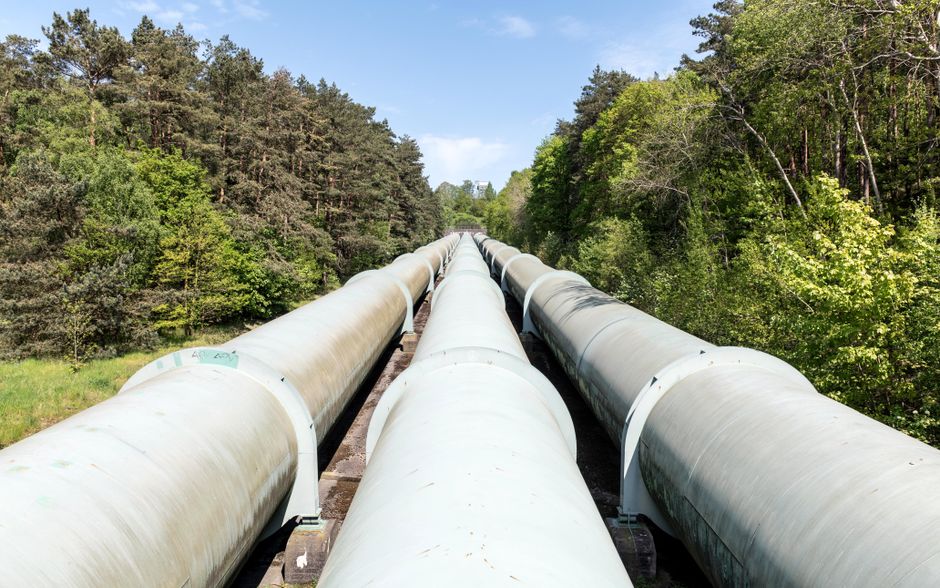
European natural gas prices have surged to their highest levels in more than three years, raising serious concerns that the continent could be heading into its most difficult winter energy season since the crisis that followed Russia’s full-scale invasion of Ukraine in 2022. The price spike is already beginning to filter through to household bills, though the speed at which consumers feel the impact varies sharply depending on where they live.
Wholesale gas benchmarks across European markets have climbed steeply in recent weeks, driven by a combination of lower-than-expected storage replenishment rates, reduced flows from key supply corridors, and sustained demand across the continent. Analysts warn that if temperatures fall sharply earlier than anticipated this autumn, the pressure on supplies could intensify further, leaving governments and energy providers with limited room to manoeuvre.
Why Some Countries Will Feel the Pain Sooner
The timeline for price increases reaching ordinary consumers depends largely on how each country’s retail energy market is structured. In the Netherlands, where household contracts are closely tied to spot market movements, bills could reflect higher wholesale costs within weeks, according to reports tracking European energy regulation. Dutch households are therefore among the most exposed to near-term increases.
By contrast, consumers in Germany and Austria are largely shielded in the short term by longer-term retail pricing agreements and regulatory frameworks that buffer rapid adjustments. However, analysts caution this protection is temporary — full price transmission in those markets could take the better part of a year, meaning the financial impact, when it arrives, may coincide with the next winter season rather than the current one.
Other European countries fall at various points along this spectrum. Nations with liberalised energy markets and shorter contract cycles tend to see faster pass-through of wholesale cost changes, while those with greater state involvement in pricing or longer contractual lock-in periods absorb shocks more gradually. The divergence underscores longstanding debates within the European Union about the merits of energy market harmonisation versus national regulatory autonomy.
Policymakers at the European Commission have previously indicated their willingness to intervene in energy markets under extreme circumstances, as demonstrated by the emergency measures enacted during the 2022 crisis. Whether current price levels would trigger similar responses remains unclear, and officials have so far stopped short of signalling any imminent intervention.
For low-income households across the bloc, the timing is particularly concerning. Many European governments have wound down the emergency support schemes introduced during the 2022 energy crisis, leaving consumers more exposed than they were at the height of that turmoil. Consumer advocacy groups have called on national governments to begin assessing vulnerability frameworks now, rather than waiting for conditions to deteriorate further.
The situation serves as a broader reminder that Europe’s energy transition, while progressing, has yet to fully insulate the continent from the volatility of global fossil fuel markets. With renewables still unable to cover baseload demand entirely across most of the EU, natural gas remains a critical — and price-sensitive — component of the European energy mix. How governments and regulators respond in the coming months will be closely watched by both markets and millions of households already contending with the lingering effects of years of elevated living costs.