Europe Day 2026: EU Institutions Open Doors for Schuman Declaration Anniversary
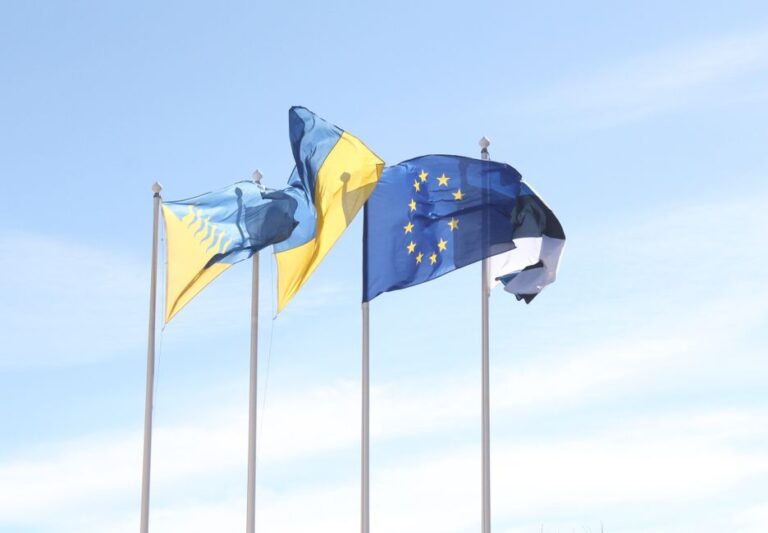
To celebrate Europe Day on 9 May 2026, marking the 76th anniversary of the Schuman Declaration, EU institutions in Luxembourg and Brussels will open their doors and invite citizens to engage in a wide range of activities. The Schuman Declaration, delivered on 9 May 1950 by French Foreign Minister Robert Schuman, is the founding political text of European integration — and the date has marked Europe’s civic calendar ever since.
What Schuman actually proposed
The Schuman Declaration was a deceptively short text. It proposed placing French and German production of coal and steel under a common High Authority, in an organisation open to other European countries. The intent was practical: by integrating the industrial base of any future war, war between France and Germany would become not only unthinkable but materially impossible. The European Coal and Steel Community, established by the Treaty of Paris in 1951, was the immediate institutional descendant. Successive treaties — Rome 1957, Maastricht 1992, Amsterdam, Nice, Lisbon — built outwards from this seed.
Open Doors 2026
The Open Doors tradition started in the 1990s and has become the most accessible interface between EU institutions and citizens. In Brussels, the European Parliament, the European Commission Berlaymont, the Council of the EU’s Justus Lipsius and Europa buildings, the European External Action Service and the European Economic and Social Committee all open simultaneously. Visitors can walk into hemicycles, meet officials, attend live debates, and pick up the educational materials that EU communications increasingly invest in. In Luxembourg, the Court of Justice, the European Investment Bank, and the European Court of Auditors all participate, with the Kirchberg plateau becoming a single open campus for the day.
The political context this year
The 2026 Europe Day arrives in a year of unusual political weight. The conflict in the Middle East has tested the EU’s strategic posture; Ukraine remains under Russian attack and the EU’s €90 billion support loan for 2026-2027 is being disbursed; the One Europe One Market roadmap signed on 24 April 2026 commits the EU to deeper integration by end-2027. The Schuman Declaration’s spirit — that integration is the safeguard of peace and prosperity — has rarely felt more directly relevant to current events than in this 76th-anniversary year.
Civic activities across the Union
Beyond Brussels and Luxembourg, Europe Day is marked across all 27 member states. The European Commission’s representations in national capitals organise debates, school visits, and public concerts. The Erasmus+ programme has become a particular focus of Europe Day activities, with alumni events that connect the lived experience of European identity — millions of young Europeans who have studied or worked in another member state — with the Schuman political vision.
Looking forward to 2030
Europe Day 2026 is also the start of preparations for the 80th anniversary of the Schuman Declaration in 2030, which the EU institutions are already framing as a cornerstone civic moment. Plans under discussion include a major commemorative summit, a Schuman jubilee programme of cultural events across all member states, and a refresh of the Treaty acquis — though that last item remains politically sensitive. For 9 May 2026, the message is simpler: doors open, citizens welcome, and the integration project carries on.