ECOFIN tackles VAT fraud; EU-Mexico summit looms; climate ministers plot COP30
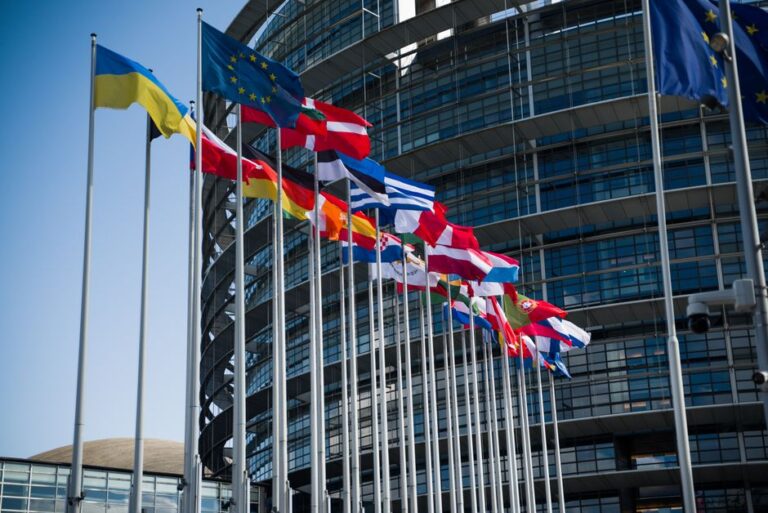
The fortnight from 4 to 17 May 2026 marks one of the busiest stretches on the European Union’s institutional calendar this spring. Finance ministers gather to advance the long-running file on value added tax fraud, climate ministers prepare the bloc’s negotiating position for the COP30 summit in Brazil, and EU leaders ready themselves for the upcoming summit with Mexico on 22 May. The Cypriot Presidency, which holds the rotating chairmanship of the Council of the EU until 30 June, is using this window to consolidate political deliverables before handing over to Lithuania.
ECOFIN: VAT fraud rules on the table
The Economic and Financial Affairs Council met on 5 May 2026 with a clear deliverable on the agenda: agreement on new rules to help fight value added tax (VAT) fraud across the bloc. EU finance ministers also held a policy debate on the market integration and supervision package — a key part of the EU’s saving and investment union — and exchanged views on the economic and financial impact of Russia’s war against Ukraine. The Council was expected to adopt an implementing decision approving the modified recovery and resilience plan of Denmark, allowing Copenhagen to draw down further support from the post-pandemic recovery facility.
EU-Mexico summit on 22 May
The 8th EU-Mexico summit, scheduled for 22 May in Mexico City, will bring together European Council President António Costa, European Commission President Ursula von der Leyen and Mexican President Claudia Sheinbaum. The summit will focus on giving political impetus to the modernised EU-Mexico Global Agreement, originally signed in 1997 and updated after six years of negotiations. The agreement removes tariffs on more than 99% of goods, opens public procurement at federal and sub-federal level, and provides regulatory disciplines on services, investment and digital trade.
Energy ministers and the COP30 runway
On 12-13 May, EU energy ministers will hold their informal meeting under the Cypriot Presidency, focusing on Europe’s energy architecture beyond 2030, the deployment of clean technologies and the development of cross-border energy infrastructure. The meeting feeds into a broader trajectory: by November 2026, the EU must agree its negotiating position for the COP30 climate summit in Brazil. The European Commission estimates that investment needs in the energy sector will reach approximately €690 billion per year between 2031 and 2040 — figures that will frame all decisions taken in the coming weeks.
European Affairs ministers, Albania-Montenegro evaluation
The informal meeting of European Affairs ministers on 10-11 May will bring discussion on enlargement back to the political table. The European Parliament’s relevant committees will evaluate the progress made by Albania and Montenegro towards EU membership during the same week, with both countries currently identified as the frontrunners of the current enlargement wave. Montenegro could conclude its accession negotiations by the end of 2026; Albania aims for end-2027. EU ambassadors approved on 22 April 2026 the creation of an ad hoc working group to start drafting Montenegro’s accession treaty — the first such treaty since Croatia in 2013.
Defence and the strategic backdrop
Foreign ministers will exchange views on EU military support for Ukraine, EU defence readiness and the situation in the Middle East, including its impact on EU security and defence. In the margins, High Representative Kaja Kallas will chair the European Defence Agency Steering Board. The EU has provided to date €194.9 billion in support to Kyiv, including €69.7 billion in military assistance, with a further €90 billion support loan agreed for 2026 and 2027. The May meetings will assess delivery and political momentum behind these commitments amid a deteriorating regional security environment.
Europe Day and the broader civic calendar
The fortnight closes on 9 May with Europe Day, marking the 76th anniversary of the Schuman Declaration. EU institutions in Brussels and Luxembourg open their doors to citizens with debates, school visits and public concerts. The political weight of the calendar — ECOFIN deliverables, EU-Mexico summit preparation, Albania-Montenegro evaluation, Ukraine and defence files — gives this Europe Day a markedly more substantive backdrop than usual. The EU’s mid-May agenda is, in short, the agenda of a Union actively negotiating its way through one of the most consequential geopolitical periods of recent decades.