EU renews Generalised Scheme of Preferences to support developing country exports
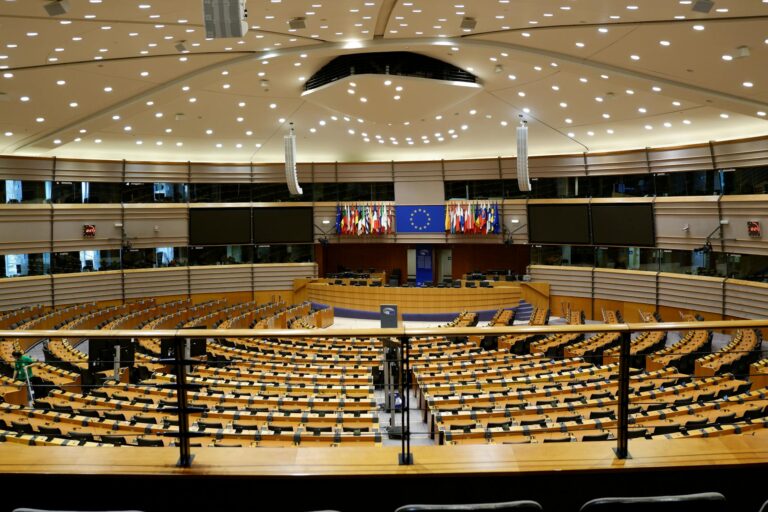
The European Parliament voted on 28 April 2026 to endorse an update to the Generalised Scheme of Preferences, the European Union’s primary trade tool to support developing country exports. The renewal of the GSP, originally introduced in 1971 and overhauled multiple times since, gives qualifying developing economies preferential access to the EU single market through reduced or zero tariffs on a wide range of products.
How the GSP works
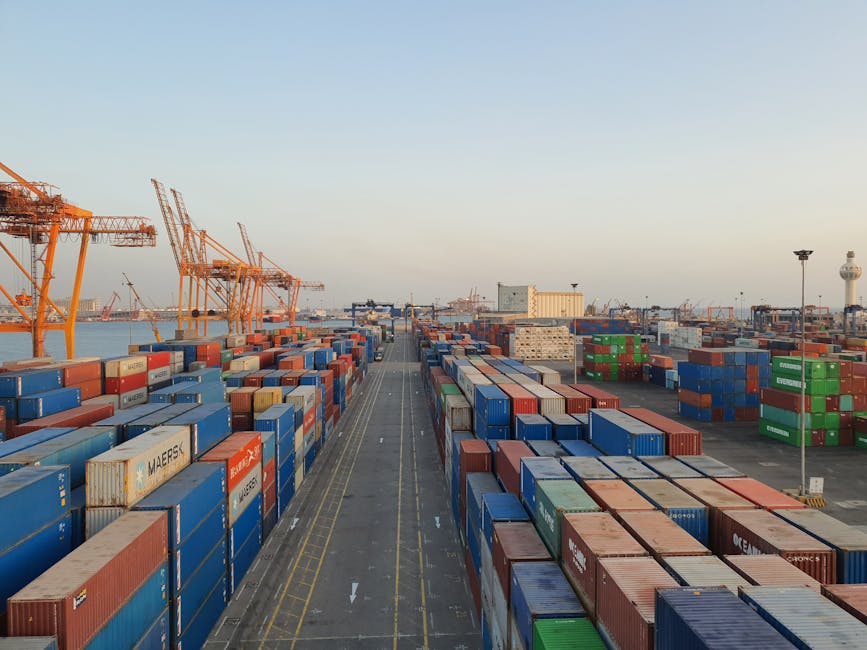
The GSP operates through three distinct schemes. The standard GSP arrangement reduces import duties on roughly 66 percent of EU tariff lines for around 50 developing countries. The GSP+ arrangement provides duty-free access for vulnerable economies that ratify and implement 27 international conventions on human rights, labour rights, environmental protection and good governance. The Everything But Arms initiative grants tariff and quota-free access to all products except weapons for the world’s least-developed countries. Together, the schemes give the EU significant leverage to encourage compliance with international standards while supporting export-led development.
What the renewal changes
The updated regulation maintains the three-pillar structure but introduces a series of refinements. Conditionality has been tightened, with clearer triggers for withdrawal of preferences in cases of serious violations of human rights or labour conventions. The list of conventions covered by GSP+ has been updated to reflect new international instruments. Procedures for graduating beneficiary countries that have reached upper-middle-income status have been clarified. The renewal also better aligns the scheme with the EU’s wider strategic priorities, including supply chain diversification and partnerships with countries in the Indo-Pacific and Latin America.
The wider trade policy context
The GSP renewal arrives at a moment of significant flux in global trade. The Trump administration has used tariffs aggressively in 2025-2026, the World Trade Organization is under strain, and the EU is recalibrating its trade strategy with a focus on de-risking and partnerships. The GSP gives Brussels a tool to demonstrate that its trade policy supports development goals while maintaining standards on rights and environmental protection. For beneficiary countries, the renewed scheme provides predictability for investment and export planning at a time when other major markets are becoming less open.