EU approves 2 million euros to support workers laid off after Liberty Steel Belgium bankruptcy
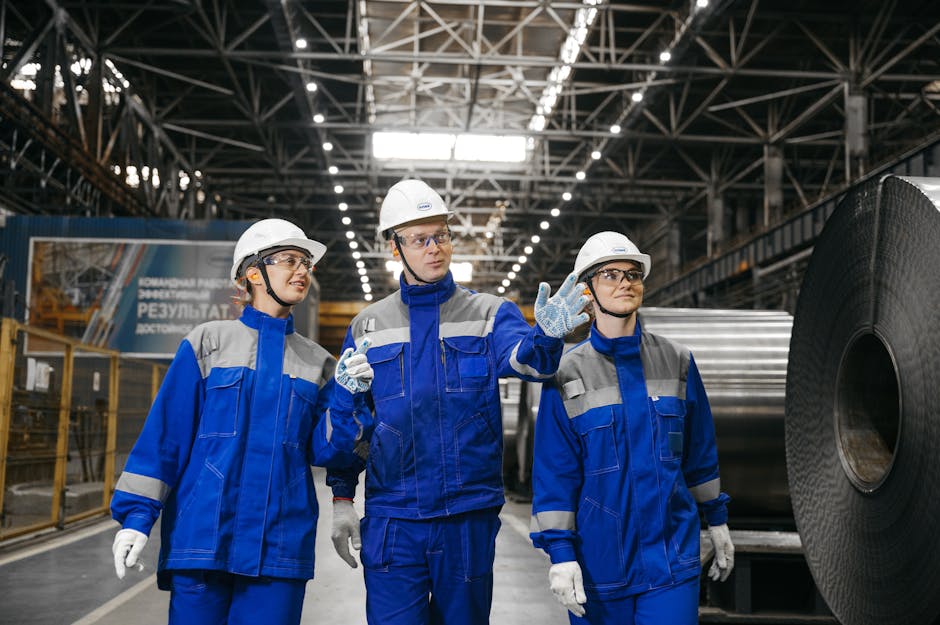
The European Parliament approved on 29 April 2026 a 2 million euro package of EU support to help workers find employment after the bankruptcy of Liberty Steel Belgium. The funds, drawn from the European Globalisation Adjustment Fund for Displaced Workers, will finance training, job-search support and entrepreneurship assistance for several hundred former employees of the steel plant, which collapsed amid wider difficulties facing the European steel sector.
The Liberty Steel collapse
Liberty Steel Belgium, part of the wider GFG Alliance group founded by Sanjeev Gupta, ceased operations after a sustained period of financial pressure linked to high energy prices, weak demand from automotive and construction sectors, and the broader restructuring needs of European steelmaking in the face of decarbonisation challenges. The Belgian operations had been seen as strategically important within Wallonia’s industrial fabric, and the closure was felt acutely in the affected communities. National authorities took the lead on social safety net measures, while the EU support package adds dedicated reskilling resources.
The European Globalisation Adjustment Fund
The Fund was set up to provide one-off, time-limited individual support to workers losing their jobs as a result of major structural changes in world trade patterns due to globalisation, or as a result of the global financial and economic crisis. Over the years, its scope has been progressively expanded to cover a wider range of redundancy situations linked to globalisation and digital transition. Eligibility thresholds typically require a minimum number of redundancies in a single enterprise or sector. The Liberty Steel case illustrates how the Fund interacts with other instruments of EU industrial policy, including the Just Transition Fund and state aid frameworks.
Steel sector pressures and policy response
The Belgian closure is far from isolated. European steelmakers across the bloc have warned for months about the combined pressure from high energy costs, Chinese overcapacity and the cost of investing in green steel production. The Commission has launched a Clean Industrial Deal package and accelerated work on a steel action plan, but industry groups and trade unions argue that current measures are insufficient. Worker support funds, while helpful for individuals, do not address the underlying competitiveness gap. The next test will be how the EU positions its trade defence instruments and CBAM enforcement to support European steelmaking through the transition.