EU Member States Wrestle Over New Russian Sanctions Package as Divisions Deepen
Efforts to push through a new package of European Union sanctions against Russia are running into significant resistance, with member states struggling to reconcile competing national interests and economic sensitivities that have long complicated the bloc’s unified response to Moscow’s war in Ukraine.
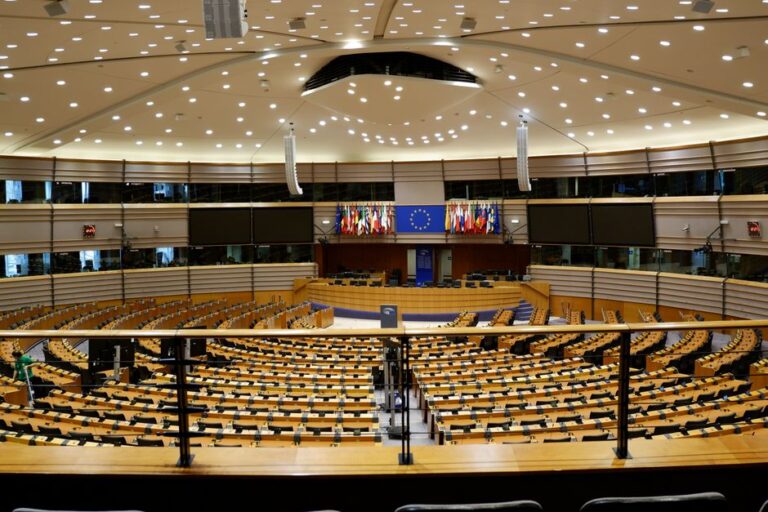
Negotiations in Brussels have exposed fault lines between governments that favour tougher measures and those wary of the economic repercussions of further restricting trade and financial flows tied to Russia. According to reports, the latest round of discussions has proven particularly contentious, with delegations haggling over the precise scope of restrictions and the industries they would affect. The process, which requires consensus among all 27 member states, has once again highlighted how difficult it is to maintain a common front when national vulnerabilities differ so widely.
Officials said the sticking points include concerns from certain member states about the impact of additional measures on their own industries and energy supply chains. While the EU has already enacted more than a dozen sanctions packages since Russia’s full-scale invasion of Ukraine began in February 2022, each successive round has become harder to negotiate as the lower-hanging fruit of obvious targets has been picked and the focus shifts to more economically sensitive sectors.
Migration Policy Adds to Brussels’ Crowded Agenda
Separate from the sanctions debate, a minister from a Mediterranean EU country has called on the bloc to provide dedicated funding for the establishment of so-called return hubs — facilities designed to process and repatriate migrants who do not qualify for international protection. According to reports, the proposal reflects growing pressure on southern European governments, which serve as primary entry points for irregular migration into the continent and have long argued they bear a disproportionate burden compared to their northern and eastern counterparts.
The call for EU-level financing underscores a broader push by several member states to shift more of the cost and administrative responsibility for migration management to Brussels, rather than leaving frontline countries to manage the challenge largely on their own. The European Commission has signalled interest in strengthening return mechanisms as part of its wider migration agenda, though the specifics of any funding arrangement remain under discussion.
Together, the two issues — sanctions and migration — illustrate the persistent difficulty the EU faces in forging durable, collective responses to external pressures. Both demand a degree of solidarity that is often easier to proclaim in summit communiqués than to deliver in practice, and both are subject to the leverage that individual member states can exert when unanimous agreement is required.
Analysts have noted that delays in finalising sanctions packages can erode their deterrent effect, giving sanctioned entities more time to adapt and reroute transactions through third countries. EU officials have acknowledged the challenge of enforcement and have pointed to recent efforts to close loopholes that allow Russian-linked goods and capital to circumvent existing restrictions through intermediary jurisdictions. Whether the current round of negotiations will produce a meaningfully strengthened package, or result in a diluted compromise, remains to be seen as talks continue in the coming days.