EU enlargement: geopolitical necessity, institutional headache
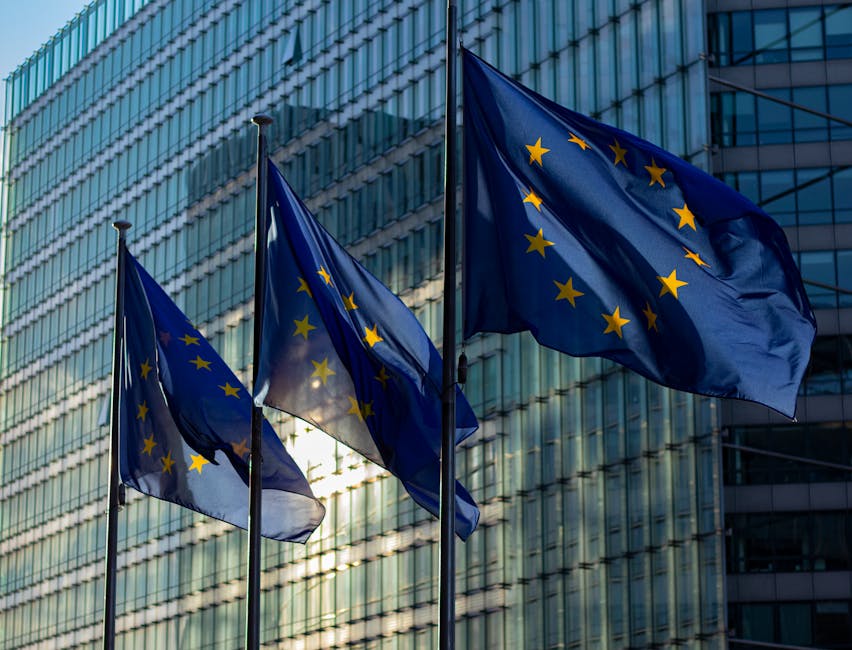
For most of the past decade, EU enlargement was treated in Brussels as a policy file managed by technicians, governed by checklists, and largely insulated from the political mainstream. The full-scale Russian invasion of Ukraine in February 2022 changed that overnight. Enlargement is now openly framed as a geopolitical necessity, with the European Council having granted candidate status to Ukraine and Moldova in June 2022 and reopened the path for the Western Balkans. The shift in rhetoric has been striking. The shift in actual readiness, both in candidate countries and in the EU itself, has been considerably more modest.
The geopolitical case
The argument for accelerated enlargement rests on three pillars. First, leaving Ukraine, Moldova or the Western Balkans in geopolitical limbo invites Russian interference, instability and reverse migration of EU influence. Second, the EU’s strategic autonomy is undermined when its immediate neighbourhood is contested. Third, the alternative of indefinitely postponed accession has demonstrably failed in the Western Balkans, where reform momentum has stalled in several candidate countries and democratic backsliding has occurred even where formal progress was reported. The combined effect of these three pressures is to make enlargement, in the words of Council President Antonio Costa and others, no longer a question of whether but of how and when.
The institutional reality
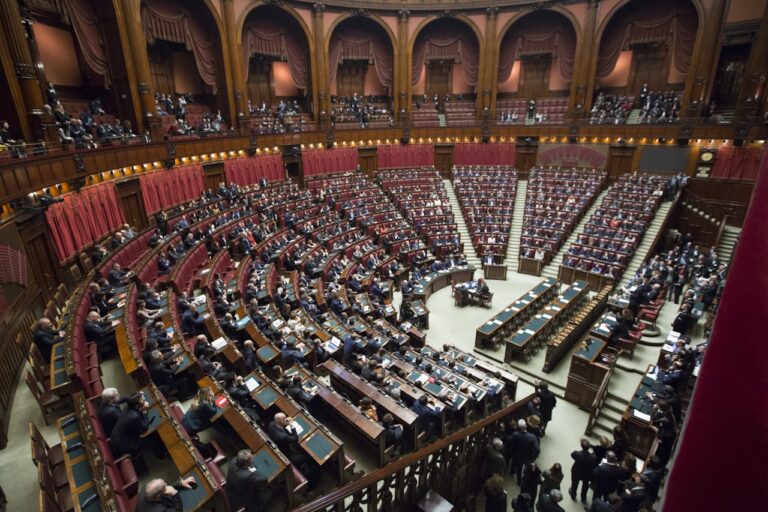
Yet the institutional reality is awkward. The EU’s decision-making procedures, designed for a club of six and adapted incrementally to a club of 27, will struggle with a club of 30 or more. Unanimity requirements in foreign policy, taxation and other sensitive areas effectively give each member state a veto, and enlargement multiplies the points at which decisions can be blocked. Budget arithmetic also changes dramatically. Ukraine alone, given its agricultural sector and territorial size, would substantially shift the distribution of EU spending under existing rules. The Common Agricultural Policy, cohesion funds and rule of law conditionality would all need to be redesigned. None of these reforms will happen automatically, and several touch directly on the politically sensitive interests of current member states.
What honesty requires
The most useful posture for the EU now is one of strategic honesty. Enlargement is necessary, and the geopolitical argument is sound. Institutional reform is also necessary, and avoiding it will produce either a paralysed EU or de facto two-tier membership. The 2028-2034 budget negotiations and the parallel discussions on treaty revision and decision-making procedures provide an opportunity to address both files together. Avoiding hard choices in either direction will guarantee that the next major geopolitical shock finds Europe again unprepared. The political class in member states has yet to seriously prepare its publics for what enlargement combined with reform will require.