EU Ministers Meet in Nicosia on Budget, Enlargement, and Information Threats
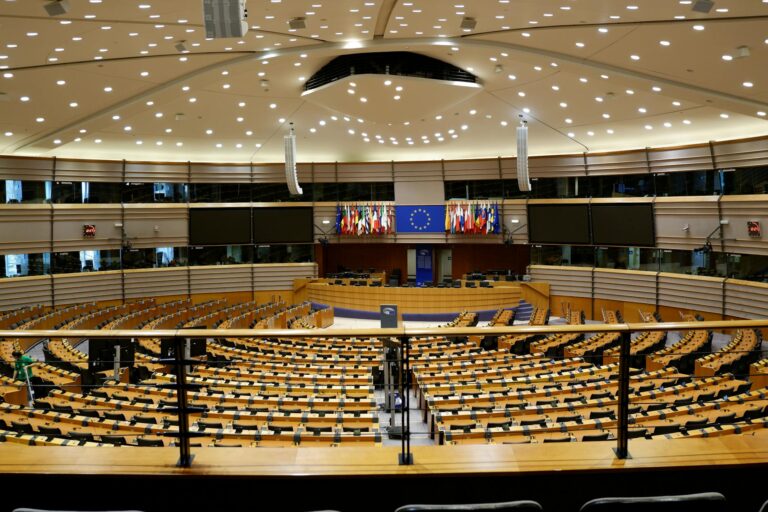
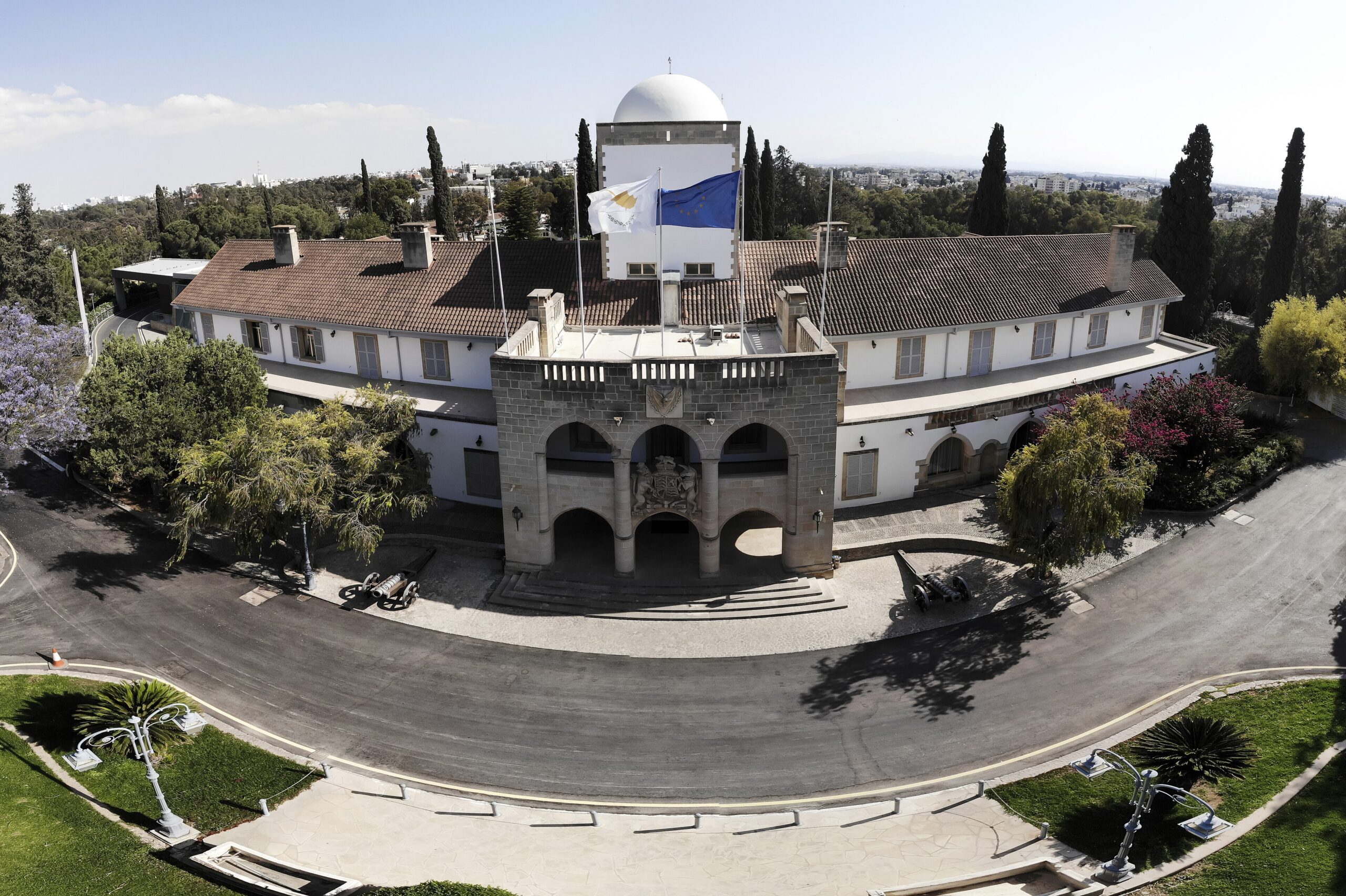
The Cypriot Presidency of the Council of the EU hosted an informal meeting of Ministers for European Affairs in Nicosia on 10 and 11 May 2026, gathering EU national representatives — together with candidate countries and the United Kingdom — for a forward-looking discussion on the bloc’s next long-term budget, its enlargement architecture, and the rising threat of foreign information manipulation.
The MFF 2028-2034 session
The first plenary session focused on the Multiannual Financial Framework (MFF) for 2028-2034, the EU’s seven-year financial blueprint. The European Commission presented its proposal in July 2025, and Member States are now in the political phase of negotiations. Cypriot Deputy Minister for European Affairs Marilena Raouna opened the discussion with a focus on crisis-management instruments — a priority reinforced by Russia’s ongoing aggression against Ukraine and the war in Iran. Latvia’s Parliamentary Secretary Artjoms Uršuļskis emphasised that EU solidarity and joint crisis-management mechanisms “are worthy of support, but this cannot come at the expense of cohesion and agricultural policies”, signalling tensions over how the new budget should balance traditional pillars with emerging defence priorities. Finland’s Minister for European Affairs Joakim Strand echoed the call for an MFF that finds “a level that does not make Finland’s burden of payment unreasonably heavy but enables the implementation of key priorities, such as strengthening defence and competitiveness.”
Enlargement with candidates at the table
The second session of the morning tackled EU enlargement, with representatives from EU candidate countries and one potential candidate joining the discussion. The Cypriot Presidency framed the session as an “open and forward-looking exchange … reflecting our shared commitment to a credible and inclusive European future”. Latvia voiced support for “opening the EU enlargement negotiation clusters with Ukraine and Moldova as soon as possible”, a position increasingly shared across the Nordic-Baltic group. The Cypriot Presidency’s priorities — set out at the start of the six-month term on 1 January 2026 — include “a merit-based enlargement process”, alongside simplification of EU rules, reduction of regulatory burden on SMEs, and the defence of fundamental values and the rule of law.
The UK in the room: Thomas-Symonds on disinformation
The most striking feature of the agenda came at the working lunch, when EU ministers discussed information manipulation and foreign interference with UK Minister for European Union Relations Nick Thomas-Symonds joining the conversation. The format reflects the gradual normalisation of post-Brexit cooperation on hybrid threats — an area where Brussels and London share both intelligence interests and exposure to Russian operations. Uršuļskis emphasised Latvia’s support for “a coordinated EU policy to combat hybrid threats, including foreign information manipulation and interference in elections, as well as close cooperation in this area with like-minded countries”. The UK’s participation, while informal, marks a notable evolution from the post-2020 diplomatic distance and aligns with Sir Keir Starmer government’s push for closer EU-UK security cohabitation.
Why the Cyprus Presidency matters
Cyprus holds the rotating Council Presidency from 1 January to 30 June 2026, the second leg of the Trio Presidency that began with Poland in 2025 and concludes with Denmark in the second half of 2026. The MFF 2028-2034 negotiations — slated to reach political agreement by end-2026 per the leaders’ mandate at the December 2025 European Council — are the central deliverable of this Trio. The Cypriot Presidency also chairs the technical work that produced an intermediate political agreement at the informal European Council held in Cyprus on 23-24 April 2026, with regional leaders from Egypt, Lebanon, Jordan, Syria and the GCC also in attendance.
What ministers take home
The Nicosia meeting was informal — no formal Council Decisions, no legislative outcomes. But it set the political temperature ahead of the formal General Affairs Council in June, when ministers will need to convert the broad alignment on MFF priorities and enlargement architecture into negotiation positions for the autumn endgame. With Ukraine’s Sybiha attending the parallel Foreign Affairs Council in Brussels on 11 May, and Starmer fighting for political survival in London, the Cypriot Presidency’s quiet diplomatic work on budget architecture and enlargement may prove to be the most consequential European meeting of the day.