Cruise industry defends its record amid environmental and overtourism concerns
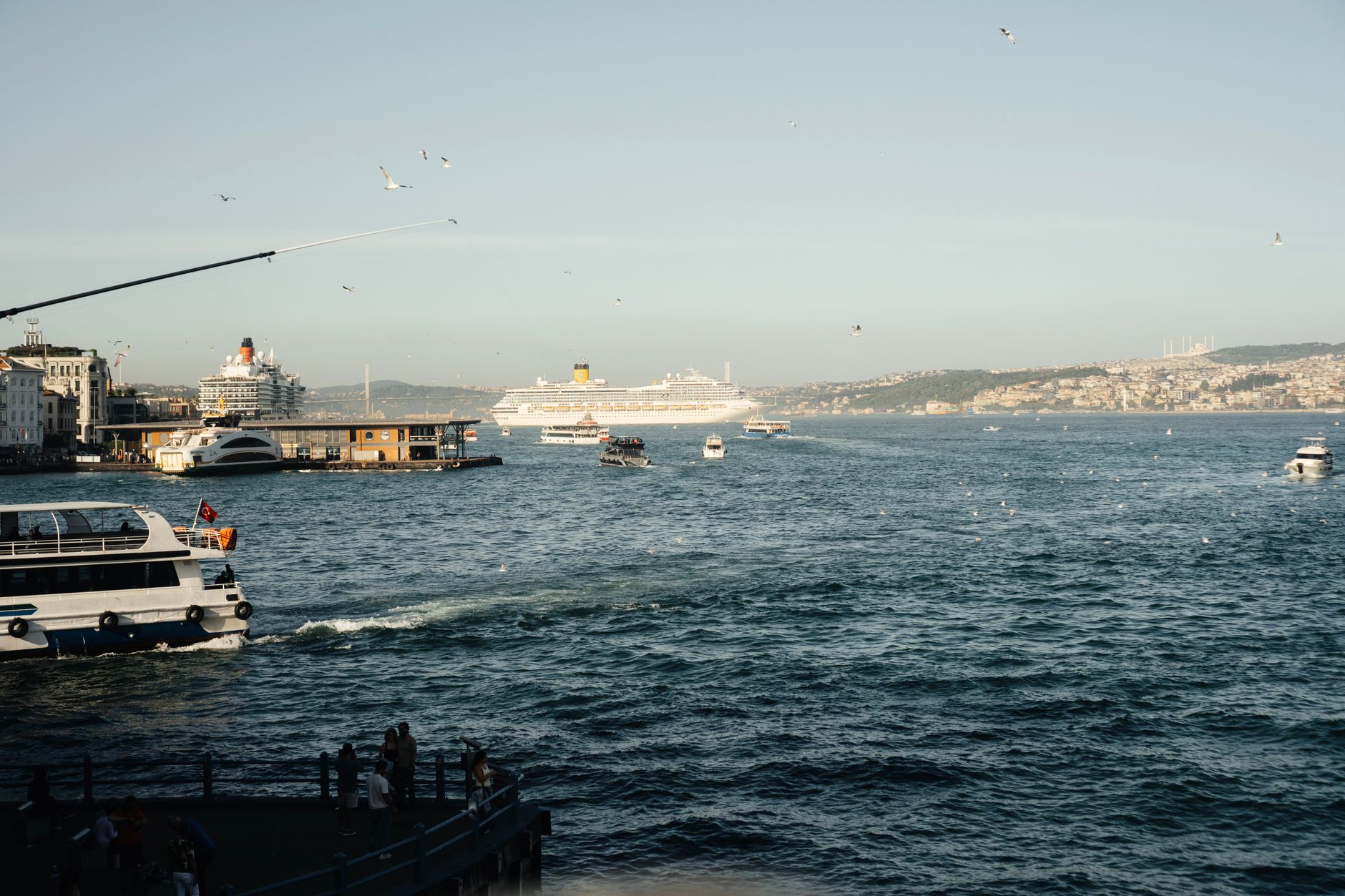
The cruise industry has become a focal point for protests at ports across Europe, with demonstrators citing environmental damage and overtourism. However, industry leaders argue that the sector is unfairly singled out, noting that cruises represent less than 2 percent of travel packages sold globally in 2025. In a recent episode of Euronews Business series The Big Question, MSC Cruises CEO Gianni Onorato discussed the industry’s efforts to address these criticisms and secure a sustainable future.
Economic contribution and overtourism
The cruise sector contributes €65 billion to the European economy and supports over 445,000 permanent jobs. Onorato pointed out that in Barcelona, where overtourism complaints often target cruises, cruise passengers account for only about 3 percent of the city’s daily visitors. He emphasized that the industry is working to spread tourist arrivals more evenly throughout the year and to develop new destinations, reducing pressure on popular ports. Onorato highlighted the advantage of cruise itineraries being set two years in advance, unlike airline schedules which are confirmed less than 12 months ahead. “The predictability of cruises allows small family businesses to decide if they want to add, for example, more tables and seats in their restaurants or in their bars because they know that it’s for sure that they will have these people coming,” he said.
Environmental progress and challenges
Environmental concerns focus on carbon emissions from cruise ships. The industry is adopting dual-fuel engines that can switch between traditional marine fuel and cleaner alternatives. According to Onorato, in 2023, the MSC Euribia completed a four-day voyage from Le Havre to Copenhagen using biofuel, achieving net-zero emissions when combined with other fuel-saving measures.
However, progress is gradual. Of the 327 ships operated by CLIA members—about 90 percent of global cruise capacity—only 30 are equipped with dual-fuel engines, up from just one in 2018. The limited supply of affordable cleaner fuels and the 30-year lifespan of ships slow fleet upgrades. Onorato remains confident that most remaining ships will be decommissioned or replaced in time for the EU target of a climate-neutral maritime industry by 2050. Technologies are also being retrofitted to reduce energy consumption, such as HVAC inverters that adjust air conditioning based on occupancy.
Changing demographics and future outlook
The cruise passenger base is evolving. Onorato noted that the average age is now 35–54, a shift from the past perception of cruises being for older people. Solo travel and multi-generational holidays are growing markets, with safety being an increasingly important consideration for solo travelers.
Europe dominates cruise ship construction, with major shipbuilders in Italy, France, Germany, and Finland. Production capacity is limited, and demand is likely to outpace supply. Onorato views controlled growth as beneficial for investors and the industry’s long-term future.