Brussels exhibition documents modern slavery ahead of EU Parliament debate
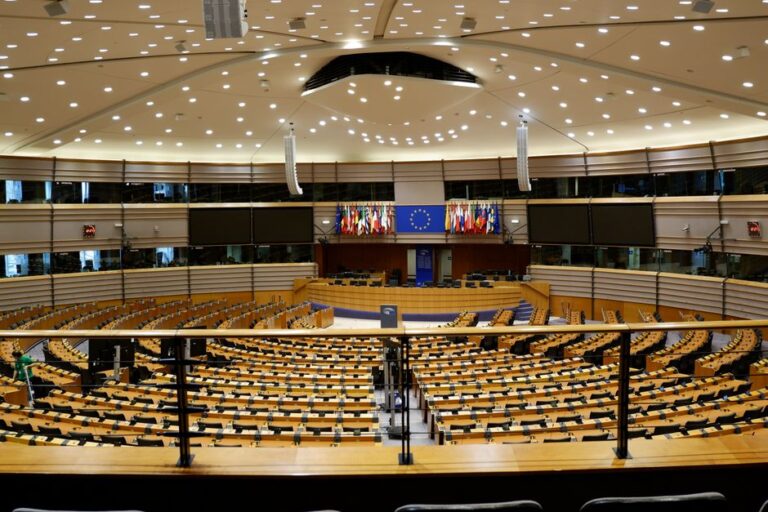
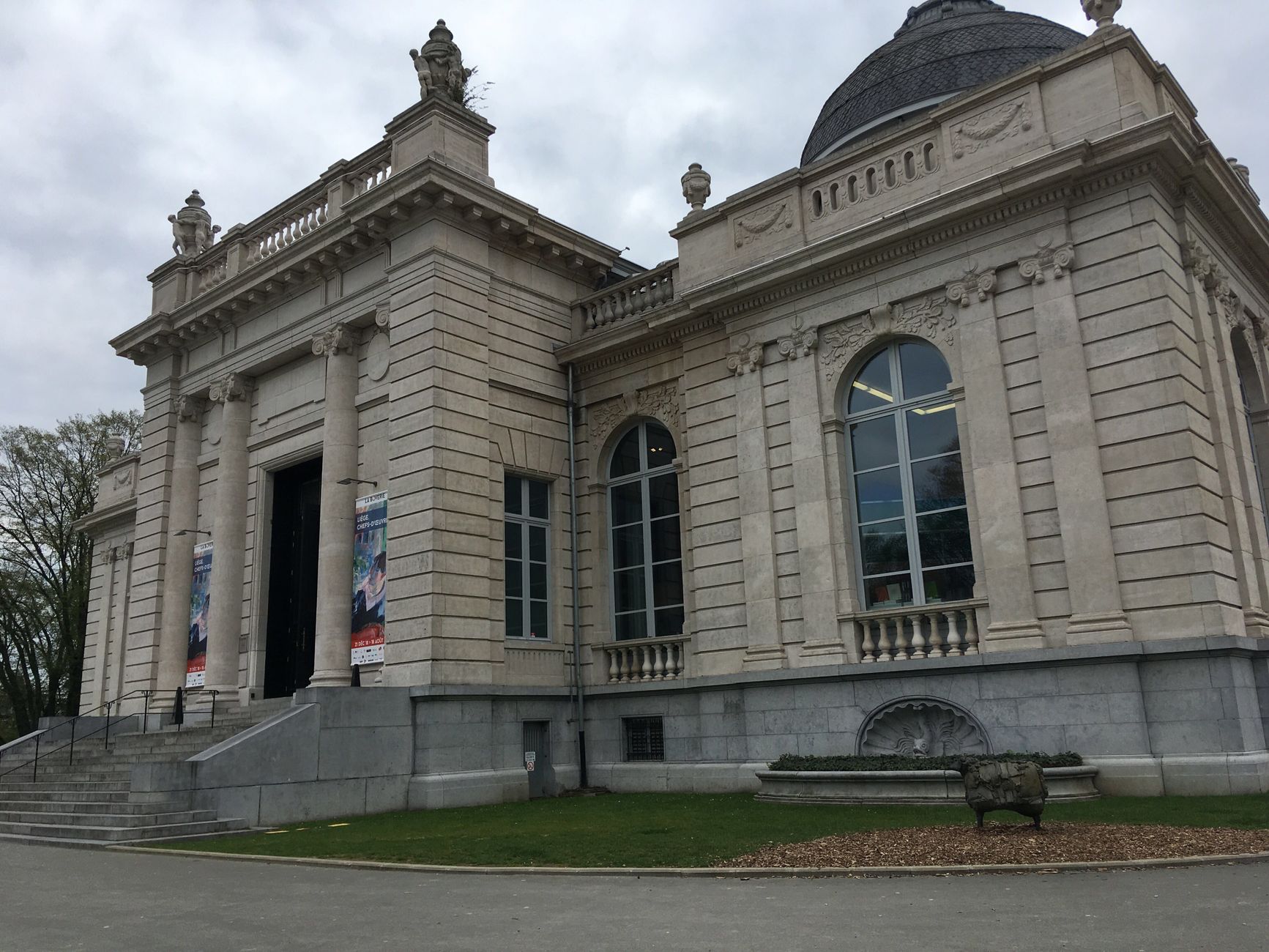
A new exhibition in Brussels, titled “Slavery: Stories of the Present,” opened on Thursday at Géopolis, a city-supported photo-journalism museum. The show features the work of two photographers documenting modern slavery worldwide, with a focus on women and girls in rural Afghanistan who are often forced into early marriage. It comes ahead of European Parliament discussions on new strategies against human trafficking.
Photography as a tool for empathy
American photographer Lisa Kristine, who profiles trafficking victims, described how she documents cases such as a woman in Nepal who returns to her mountain village appearing wealthy and promises local children jobs in Kathmandu. “The whole village supports the kids going…. What they didn’t know is she was trafficked,” Kristine said. She believes photography is an effective method for raising awareness because, unlike statistics or face-to-face encounters, “a photograph allows for us to really stare” and take time to see the other person, opening up empathy.
According to International Labour Organization data, about 50 million people were enslaved as of 2022, including 27 million in forced labour and 22 million married against their will. The number has grown by 10 million since 2016. In the EU, at least 880,000 people are forced to work, including 270,000 sex-trafficked. Kristine noted that the issue is often abstract and full of data, “but when you actually see a human being, it speaks more to your heart.” The second photographer, Élise Blanchard, presents portraits of Afghan girls and women whose families lost herding grounds or could no longer farm land due to climate change, leading them to sell daughters for marriage to escape debts. Blanchard emphasizes human dignity in her work, stating, “I’m not trying to frighten somebody or overwhelm somebody with something horrific.”