Black Sea Tanker Strike Leaves Three Injured as Romania Points to Russia
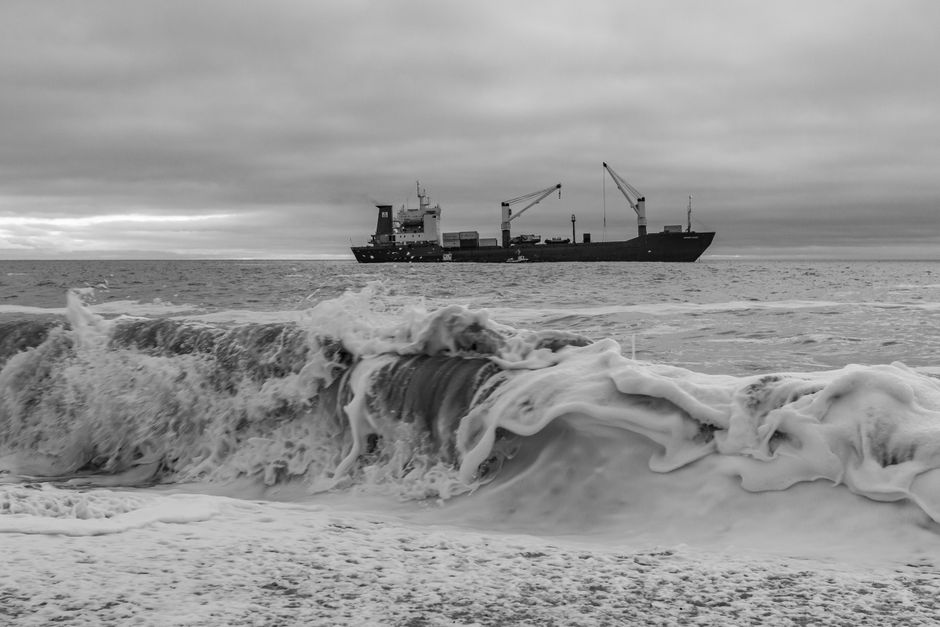
A liquefied petroleum gas tanker bound for Ukraine was struck in the Black Sea off the Romanian coast, leaving three crew members wounded in what Bucharest has described as a likely Russian attack, raising fresh alarm about the security of civilian shipping in one of Europe’s most strategically fraught waterways.
The vessel, carrying dangerous chemicals en route to Ukraine, was hit in an incident that Romanian authorities moved swiftly to investigate. Romania’s president characterised the strike as a “serious incident” and indicated that available evidence pointed most likely toward Russian responsibility, though an official probe has been launched to establish the precise cause and circumstances of the attack.
The three injured crew members were treated following the strike, according to reports. Details about the extent of their injuries and the condition of the vessel were not immediately made fully public, but the fact that a tanker laden with flammable and hazardous cargo was targeted in waters adjacent to a NATO member state sent an immediate shockwave through regional security circles.
NATO’s Eastern Flank Under Renewed Scrutiny
The incident places renewed pressure on NATO’s posture along its eastern maritime flank. Romania, as a full alliance member with a significant Black Sea coastline, occupies a critical position in the broader strategic contest playing out since Russia’s full-scale invasion of Ukraine in February 2022. Attacks on commercial shipping in the region have become an increasingly troubling feature of the conflict, with vessels carrying grain, fuel, and other commodities facing recurring threats despite international efforts to safeguard humanitarian and commercial corridors.
Officials in Bucharest have not elaborated extensively on what evidence underpins the assessment that Russia was likely responsible, but the geographic proximity of the strike to Romanian territorial waters makes the episode particularly sensitive. Any confirmed act of aggression affecting shipping that close to a NATO member’s coastline would carry serious diplomatic and potentially military implications under alliance obligations.
The Black Sea has been a theatre of heightened tension throughout the conflict, with both naval assets and commercial vessels subjected to drone and missile threats. Ukraine and Russia have traded accusations over attacks on maritime infrastructure and shipping lanes, and several vessels have previously sustained damage in the contested waters. International maritime organisations and European governments have repeatedly called for protection of civilian shipping, with limited success in deterring incidents.
The European Union, which counts Romania among its members, has yet to issue a formal statement specifically addressing this latest strike, according to reports at the time of publication. However, pressure is likely to mount on Brussels to respond, particularly given the involvement of a vessel carrying hazardous materials and the proximity to EU territory. Any spillage or explosion involving LPG in heavily trafficked waters could have severe environmental and humanitarian consequences well beyond the immediate vicinity of the attack.
Romanian authorities have indicated that the investigation into the incident is ongoing, and further findings are expected to be shared with allied governments. The episode is set to feature prominently in upcoming discussions on Black Sea security, an issue that has grown in urgency as the war in Ukraine continues with no immediate diplomatic resolution in sight.