Ukraine Seeks to Convert Battlefield Momentum Into Diplomatic Leverage Ahead of Winter
As temperatures across Eastern Europe begin to drop, Ukrainian officials and their Western allies believe a series of well-timed strikes on Russian energy and fuel infrastructure have created a narrow but potentially significant window of strategic advantage — one that Kyiv is now eager to exploit before the winter season reshapes the conditions on the ground.
According to reports, Ukrainian military planners and diplomatic officials are increasingly confident that deep-strike operations targeting Russian logistics and fuel supply chains have degraded Moscow’s operational capacity at a critical moment in the conflict. The assessment, shared among allied capitals, holds that Russia’s ability to sustain high-tempo offensive operations may be more constrained heading into the colder months than previously anticipated.
The calculation from Kyiv’s perspective is straightforward: winter historically slows military operations, hardens front lines, and shifts attention toward energy supply chains — both on the battlefield and among civilian populations. Ukrainian officials appear determined to ensure that whatever leverage has been accumulated through recent military actions is translated into concrete gains, whether on the front lines or at the negotiating table, before the seasonal pause sets in.
Allies Align Behind Ukraine’s Strategic Push
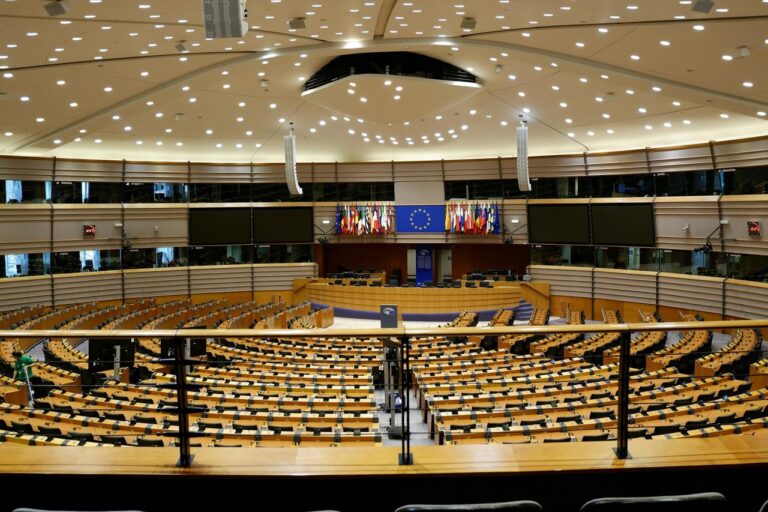
Western governments supporting Ukraine have reportedly aligned themselves with this broader strategic logic, viewing the current period as one of the more consequential intervals since the full-scale invasion began in February 2022. Officials said that discussions within allied forums have focused on sustaining and deepening support for Ukraine precisely to prevent any erosion of the advantages recently gained.
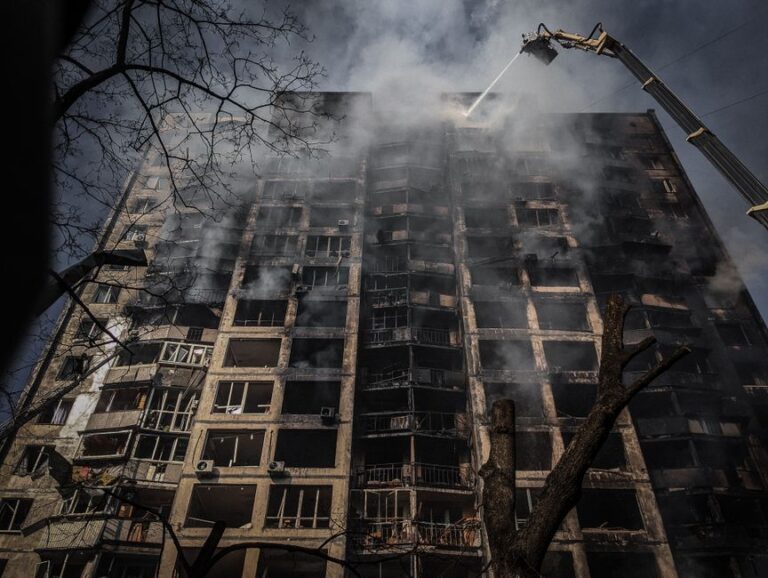
The strikes on Russian fuel infrastructure, which have been a recurring feature of Ukraine’s long-range campaign, are believed to have disrupted supply lines that feed armoured units and air defence systems, according to reports from analysts monitoring the conflict. While Russian forces have demonstrated considerable resilience throughout the war, repeated disruptions to logistical arteries carry cumulative effects that are difficult to offset rapidly.
For Moscow, the approaching winter presents its own set of pressures. Russia’s domestic energy sector, already strained by Western sanctions and the economic costs of sustaining a prolonged war, faces additional scrutiny as European countries monitor any potential supply disruptions. The Kremlin has shown no public indication of reconsidering its military objectives, but analysts note that the combination of battlefield setbacks and economic pressure could influence internal calculations in ways that are not yet visible externally.
Whether Ukraine can convert its current position into durable leverage remains the central question. Previous moments of Ukrainian military success — most notably the Kharkiv counter-offensive of autumn 2022 and the liberation of Kherson — demonstrated that battlefield gains do not automatically translate into strategic resolution. Critics of an overly optimistic reading caution that Russia retains substantial military reserves and has shown willingness to absorb significant losses in pursuit of its stated objectives.
Nevertheless, the coming weeks are widely regarded as a pivotal interval. Ukrainian officials, backed by allied assessments, appear to believe that the pressure applied to Russian fuel and logistics networks has introduced a degree of fragility into Moscow’s military posture that did not exist months ago — and that acting decisively before winter consolidates the front lines is essential to shaping whatever comes next in this grinding and costly conflict.