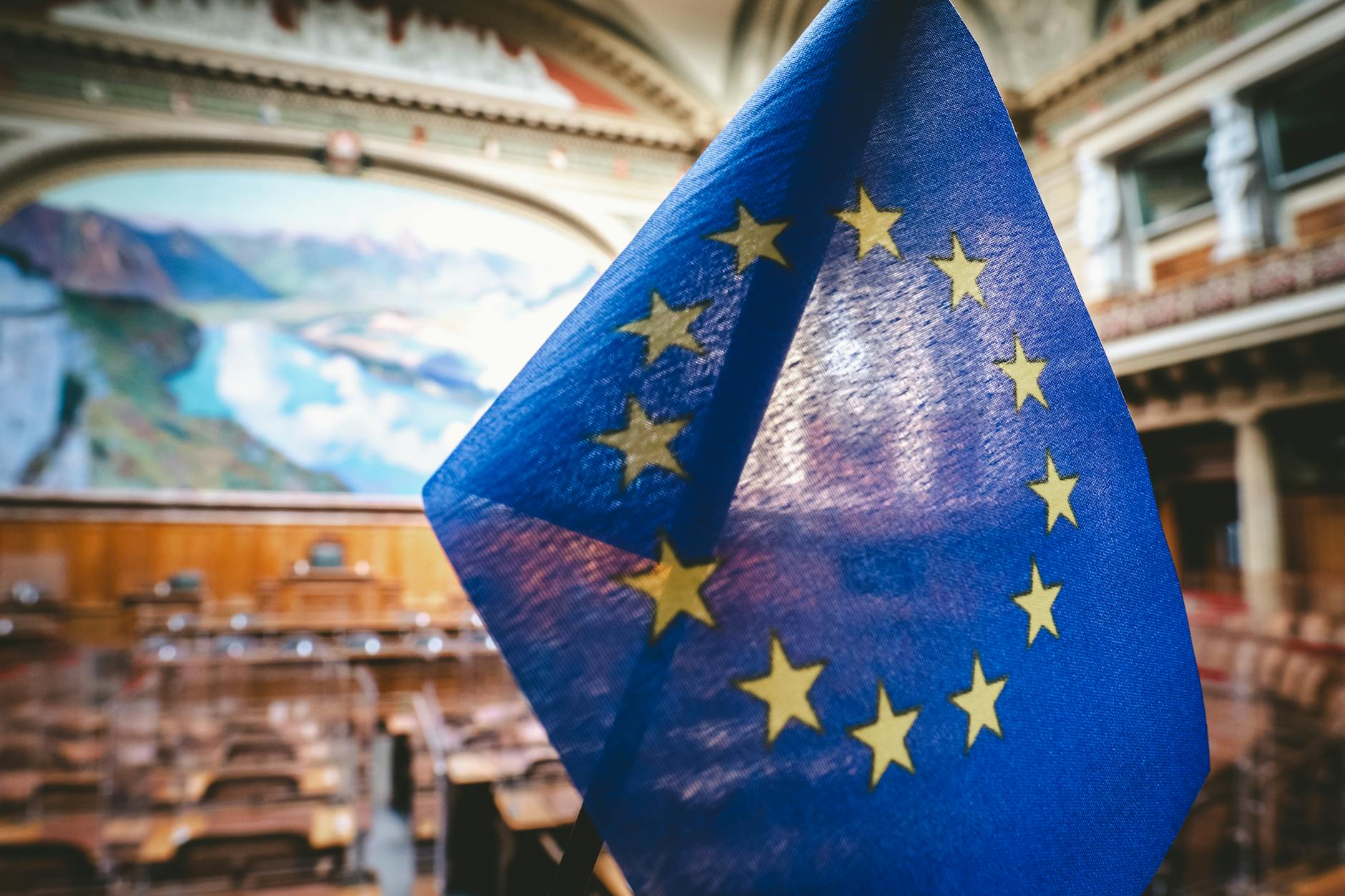
EU Trade Ministers Convene in Brussels to Review Economic Security and Middle East Impact
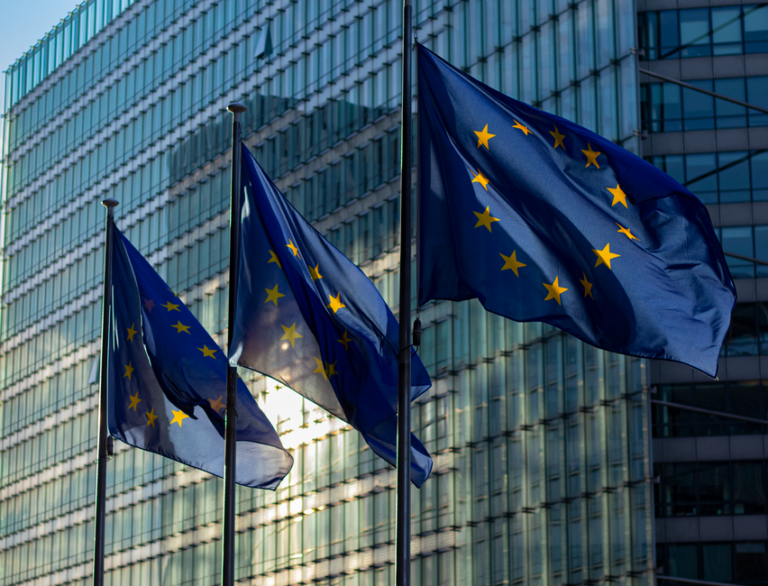
EU trade ministers gathered in Brussels on Friday 22 May 2026 for the Foreign Affairs Council in its Trade configuration, as the bloc grapples with mounting economic security challenges, energy market volatility stemming from the Iran-driven Middle East conflict, and the fallout from the 14th WTO Ministerial Conference held in Yaounde, Cameroon, in late March. The meeting, chaired by the Cyprus Presidency, convenes just 48 hours after the Council and European Parliament finalised a deal on EU-US tariff reductions announced in the early hours of 20 May. With all 27 EU Member States represented alongside EU Trade Commissioner Maros Sefcovic, today’s agenda reflects the interconnected nature of contemporary trade policy, where geopolitical risk, energy security, and multilateral reform increasingly overlap.
Economic Security Takes Centre Stage
Ministers reviewed the state of play on economic security, a strategic priority that has intensified markedly since the Iran conflict destabilised broader geopolitical conditions. The European Commission’s economic security strategy, adopted in 2023, now encompasses a comprehensive toolkit including foreign direct investment screening, export controls on dual-use technologies, outbound investment screening, and supply chain de-risking initiatives. The timing of today’s discussion is significant: the European Parliament voted in May on strengthened foreign direct investment screening regulations, reflecting institutional consensus that traditional approaches to trade openness must now be balanced against strategic vulnerability.
The economic security agenda reflects recognition within EU capitals that competitive market access must coexist with protection of critical infrastructure, sensitive technologies, and supply chains. Ministers were expected to assess implementation progress across member states and consider any need for further policy coordination or harmonisation.
Middle East Conflict Disrupts Trade Flows and Energy Markets
The impact of the Iran-driven Middle East conflict on European trade dominated substantive exchanges. The Strait of Hormuz—through which approximately 20 per cent of the world’s oil transits—remains at the centre of risk assessments and contingency planning across the EU. The International Energy Agency issued a stark warning on 21 May 2026 that the oil market could enter a “red zone” in July or August, a development that would reverberate across European industrial competitiveness, inflation trajectories, and fiscal sustainability.
The timing of the Trade Council meeting alongside the Eurogroup gathering in Lefkosia, Cyprus—where finance ministers discuss the macroeconomic implications of the energy crisis—underscores how trade and economic policy have become inseparable from energy security and fiscal policy. European policymakers face the prospect of sustained energy price volatility, with consequences for both trade balances and government budgets across the bloc.
WTO Reform Agenda Remains Stalled on Key Fronts
Ministers exchanged views on the state of play of WTO reform and follow-up from the 14th WTO Ministerial Conference, held in Yaounde, Cameroon, from 26 to 30 March 2026—notably, the first WTO ministerial held on the African continent. The Yaounde ministerial produced mixed results: partial progress on fisheries subsidies, extension of the e-commerce moratorium, and continued stalemate over agricultural subsidies negotiations.
The EU’s reform agenda faces persistent obstacles. The bloc has prioritised revitalisation of the WTO dispute settlement mechanism and reform of the appellate body, though these efforts remain blocked by longstanding United States opposition since 2019. The Union also seeks updated rules on industrial subsidies and improved frameworks for digital trade—objectives that speak to the changing nature of 21st-century commerce but that remain deeply contested within multilateral negotiations.
EU-US Tariff Deal Reshapes Trade Landscape
The Trade Council convenes against the backdrop of the concluded EU-US tariff deal, finalised just two days prior when the Council and European Parliament struck an agreement on implementing regulations for the Joint Statement tariff reductions announced at 3:00 AM Brussels time on 20 May. The agreement eliminated tariffs on all US industrial goods and extended preferential market access to certain US agricultural products, representing a significant recalibration of transatlantic trade relations in an era of intensified great-power competition.
The speed with which EU institutions processed this agreement—moving from announcement to legislative conclusion in 48 hours—signals the political imperative to secure the US relationship as a counterweight to geopolitical turbulence centred on the Middle East and broader strategic competition with authoritarian powers.
Institutional Coordination and Forward Planning
Today’s Trade Council meeting forms part of a broader institutional cycle. A press briefing was held on Thursday 21 May at 16:15 CET in the Council Press Centre, ahead of both today’s Trade Council and the General Affairs Council scheduled for 26 May 2026. The General Affairs Council will begin substantive preparations for the June European Council and conduct a policy debate on the EU’s Multiannual Financial Framework for 2028-2034—a process in which trade and economic security considerations will feature prominently given the strategic investments required to strengthen European autonomy and resilience.
The General Affairs Council on 26 May will also hold an annual rule of law dialogue encompassing country-specific discussions concerning France, Italy, Latvia, and Croatia, while reviewing the state of play of EU-UK relations—a separate but related dimension of European strategic positioning.
Conclusion
The Trade Council’s focus on economic security, energy market resilience, and multilateral reform reflects a European Union navigating simultaneous challenges: managing geopolitical volatility in the Middle East, securing critical transatlantic relationships, and advancing an institutional reform agenda within the WTO that remains deeply contested. The convergence of trade and finance tracks within EU governance structures underscores the integration of these policy domains in contemporary European statecraft.