EU long-term budget 2028-2034: Parliament backs 2 trillion euro package
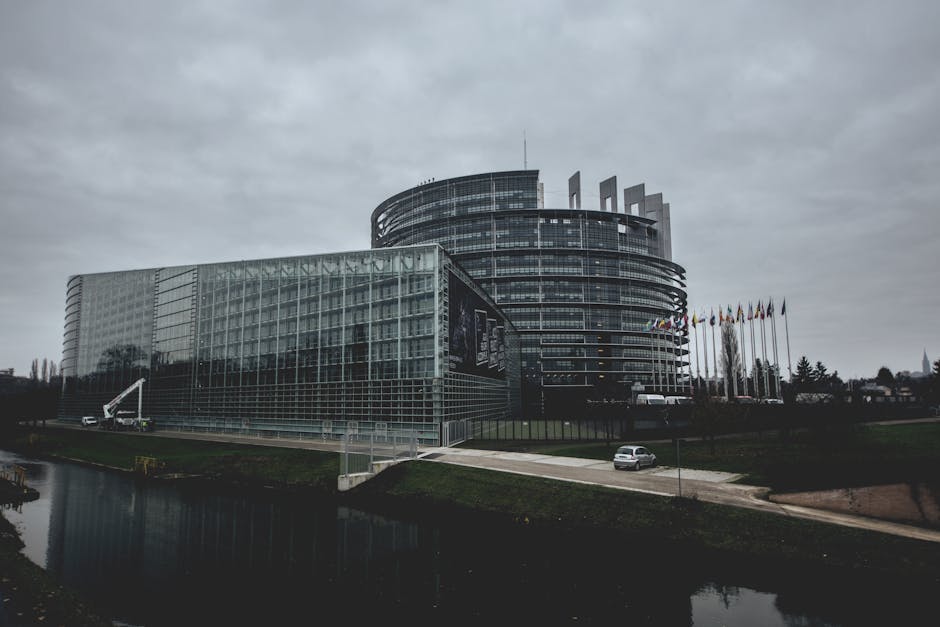
The European Parliament has set out its negotiating position on the European Union’s next long-term budget, the 2028-2034 Multiannual Financial Framework, in what is shaping up to be one of the defining political battles of this legislative term. Meeting in Strasbourg on 28 April 2026, MEPs backed a roughly two trillion euro package, marking a 10 percent increase compared to the European Commission’s July 2025 proposal.
What is the Multiannual Financial Framework
The Multiannual Financial Framework, commonly referred to by its acronym MFF, is the European Union’s seven-year budget plan. It sets the maximum amounts the EU can spend in different policy areas during that period, providing predictability for long-term investments in research, agriculture, regional development, defence and external action. The current MFF runs from 2021 to 2027, which is why negotiations on the 2028-2034 framework are now reaching their critical phase.
The Parliament’s negotiating position
According to the position adopted by the Budget Committee earlier in April and confirmed by the plenary, Parliament is proposing a 1.78 trillion euro budget in 2025 constant prices, equivalent to roughly 2.01 trillion in current prices. This represents a nominal increase of around 175 billion compared to the Commission’s initial proposal. Co-rapporteurs Siegfried Muresan from the European People’s Party and Carla Tavares from the Socialists and Democrats group have framed the position as one focused on competitiveness, security and the rule of law.
Among the priorities embedded in the negotiating mandate are a strong competitiveness fund, the safeguarding of programmes supporting biodiversity and EU health, and robust rule of law conditionality across the entire budget. Parliament has also drawn a red line on the question of new revenue streams to maintain a balanced EU budget, signalling that this is non-negotiable from its side.
What happens next
With Parliament’s mandate now agreed, the institution enters formal negotiations with the Council of the European Union, which represents the member states. The two co-legislators will need to reach a common position before the framework can be adopted. Historically, MFF negotiations have been among the most contentious in EU politics, with member states divided between net contributors and net beneficiaries, and political groups pushing competing priorities. The outcome will shape EU spending until 2034 and define the financial means available for the bloc’s strategic ambitions on defence, climate action and digital transformation.