Glucksmann’s Socialist primary win faces challenge of uniting France’s divided left
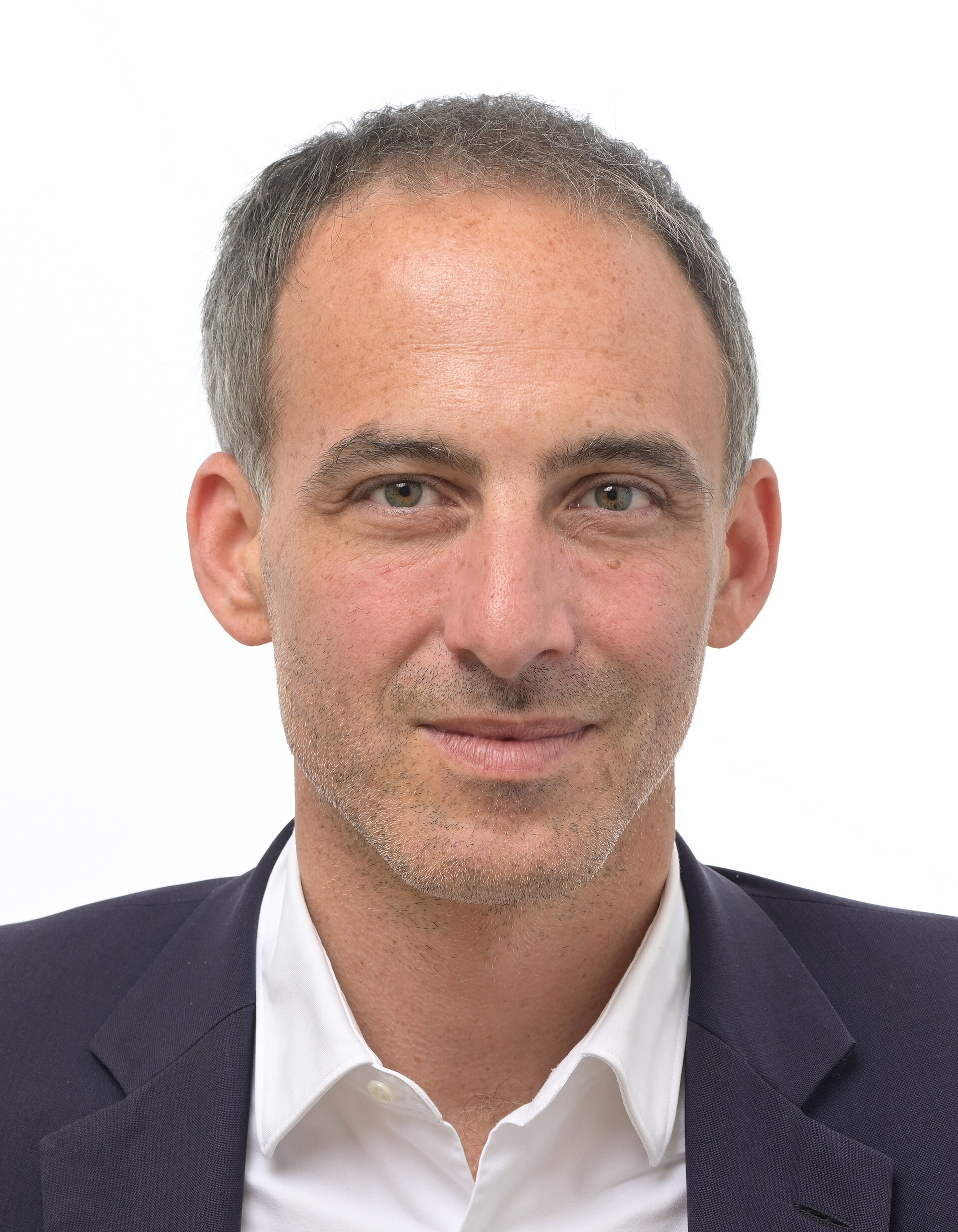
Raphael Glucksmann, a member of the European Parliament, secured a decisive victory in the French Socialist Party’s primary on October 11, winning 66% of the vote in Belleville, a historically working-class Parisian neighborhood. The 46-year-old, who is not a member of the Socialist Party but rather of the small center-left party Place Publique, will be the Socialists’ candidate in the 2027 presidential election. His win was seen as a vote in favor of a clear break with the far left, a central issue in the primary campaign.
The campaign was dominated by the question of how to position the party relative to Jean-Luc Melenchon, the 75-year-old leader of La France Insoumise (LFI). While party leader Olivier Faure spoke in favor of leaving the door open for cooperation with LFI, Glucksmann called for a clear demarcation. The day after his victory, Glucksmann was flour-bombed by an unidentified assailant leaving the Cantine de Belleville restaurant, an incident that underscored the tensions. He called on Melenchon to condemn attacks by his supporters, though it was not clear the attacker was an LFI supporter.
Glucksmann’s candidacy faces significant challenges. A Toluna Harris Interactive poll published the day after his win projected him at 10–11% of the vote, while Melenchon was at 18%, making Melenchon much more likely to reach the runoff. The poll was conducted before the primary and did not account for a potential nomination boost. Still, 10% would be a major improvement over the Socialists’ 2022 performance, when candidate Anne Hidalgo won only 1.75% of the national vote.
The challenge of winning over Melenchon’s supporters
France’s young electorate is politically divided, with Melenchon still dominating on the left. An Ipsos survey in September found that Melenchon scored 41% among under-25s, while 20% supported far-right nationalist Marine Le Pen. Melenchon has been rallying alongside student protesters, expressing solidarity with their movement and reiterating calls for lowering the voting age to 16 and abolishing Parcoursup, the national higher education admissions procedure.
Political scientist Antoine Bristielle, in analysis for the Socialist-aligned Fondation Jean-Jaures, distinguishes between a core group of committed LFI voters and a broader left. He notes that Melenchon’s most loyal supporters are often young, educated city-dwellers, many under financial pressure, with four in 10 households in this group living on net monthly income less than €2,000. Bristielle estimates that just under a third of the left-wing electorate cares more about left-wing victory than allegiance to any particular party. Almost half of this group is younger than 35 and would consider voting for the Socialists, Greens, or LFI. Importantly, most of these voters prefer politicians willing to compromise and prioritize redistribution and active government.
Glucksmann must win over many voters from Melenchon’s camp to have a chance at the presidency, a task likely much more difficult than simply distancing himself from Melenchon. His political profile combines social policy demands with foreign policy positions that could appeal to voters from the camp of current President Emmanuel Macron. Glucksmann favors decisive support for Kyiv on Ukraine policy, whereas LFI has taken a more conditional stance. In 2024, LFI MPs voted against the French–Ukrainian security agreement. Manon Aubry, an MEP for LFI, has said the party supports military assistance only under certain conditions, including that aid not enable attacks deep inside Russian territory and not weaken France’s own defense capabilities.
Policy positions and political experience
On domestic policy, Glucksmann says he would ease the burden on earned income by reducing France’s CSG social security tax while increasing taxes on inheritances worth more than €2 million. He presents himself as a committed supporter of European integration, in contrast to Melenchon, who has called the EU a neoliberal institution. However, Glucksmann’s lack of political experience has been questioned. Segolene Royal, a previous presidential candidate, compared his bid for the Elysee to that of an “intern” wanting to take charge of a company, noting he has no experience in government or running a local authority.
Following the flour attack, LFI MP Sebastien Delogu posted a declaration of support on X for the taxi driver who was going to have to clean his car, highlighting the ongoing friction. The incident illustrated the issue set to dog Glucksmann’s candidacy: how to win over Melenchon’s supporters if he refuses to work with their candidate. The Socialists are banking on a man who is not a party member to lead them from irrelevance, but the path to the presidency remains fraught with division on the French left.