Europe’s Tourist Industry Sounds Alarm Over Extreme Heat as Another Scorching Summer Looms
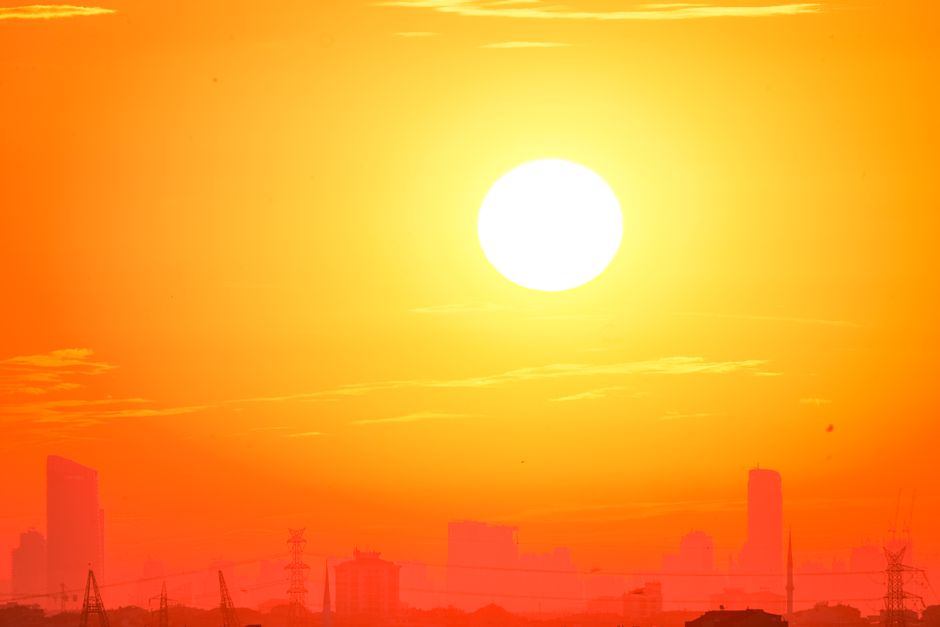
Professional tourist guides and heritage site workers across Europe are calling for urgent protective measures as meteorologists warn that the continent is heading into yet another summer of record-breaking temperatures, raising fresh concerns about the safety of outdoor cultural tourism.
The alarm comes in the wake of last summer’s devastating heat, during which a 56-year-old guide collapsed and died while leading a tour of Rome’s Colosseum — a tragedy that has become a focal point for those demanding better working conditions and visitor safety protocols at Europe’s most exposed historical sites. The incident drew widespread attention to the physical demands placed on guides who spend hours outdoors in full sun, often without adequate shade, rest facilities, or hydration infrastructure.
Representatives from the tourist guide sector have been pushing national governments and site management bodies to introduce formal heat emergency procedures, including mandatory rest periods during peak afternoon hours, access to shaded waiting areas, and clearer guidelines on when outdoor tours should be suspended entirely. According to reports, several major heritage organisations are reviewing their summer operating frameworks in response to growing pressure from workers and visitors alike.
A Sector on the Front Line of Climate Change
Tourist guides occupy a uniquely vulnerable position within the broader tourism economy. Unlike office workers who can retreat to air-conditioned environments, guides are required to remain active outdoors for extended periods, often while speaking continuously — a physically demanding combination when ambient temperatures climb above 35 degrees Celsius. Cities such as Rome, Athens, Seville, and Dubrovnik, which together attract tens of millions of visitors annually, regularly experience heat indices that health authorities classify as dangerous for prolonged outdoor exertion.
The issue extends beyond workforce safety. Tourists themselves, many of whom travel specifically during the July and August peak season, face increasing heat-related risks. Reports of visitors requiring medical assistance at outdoor sites have risen in recent years, prompting some municipalities to introduce voluntary midday closure periods at particularly exposed locations. Spain, Greece, and Italy have each experimented with adjusted summer timetables, though critics argue these measures remain inconsistent and insufficiently enforced.
Climate scientists have repeatedly noted that southern Europe is warming at a faster rate than the global average, meaning that the conditions which produced last summer’s extreme temperatures are likely to become a recurring feature rather than an anomaly. Officials in several European capitals have acknowledged that public infrastructure, including tourism infrastructure, was not designed with such sustained heat in mind.
For the tourist guide community, the death in Rome has served as a grim reminder that the consequences of inaction are not abstract. Industry associations have formally requested that the European Union consider including outdoor cultural workers within any forthcoming framework on heat-related occupational health risks — a proposal that, according to reports, is gaining some traction in Brussels as lawmakers look to update workplace safety directives for an era of climate instability.
As summer approaches, the question facing heritage authorities, tourism operators, and policymakers alike is whether voluntary guidance will prove sufficient, or whether binding regulations are needed to ensure that Europe’s cultural riches do not come at an unacceptable human cost.