Opposition Leader Questions Future of Hungary’s Flagship Russian Nuclear Deal
Hungary’s landmark agreement with Russia to expand the Paks nuclear power station is facing renewed scrutiny after opposition figurehead Péter Magyar publicly cast doubt on the project’s viability and desirability, reigniting a long-running debate over Budapest’s deep energy ties with Moscow.
Magyar, whose rapid rise through Hungarian politics has made him the most prominent challenger to Prime Minister Viktor Orbán’s Fidesz government, questioned whether the multi-billion euro deal with Russian state nuclear corporation Rosatom should proceed in its current form. His comments signal that the project, if it survives until a potential change of government, could face a fundamental reassessment.
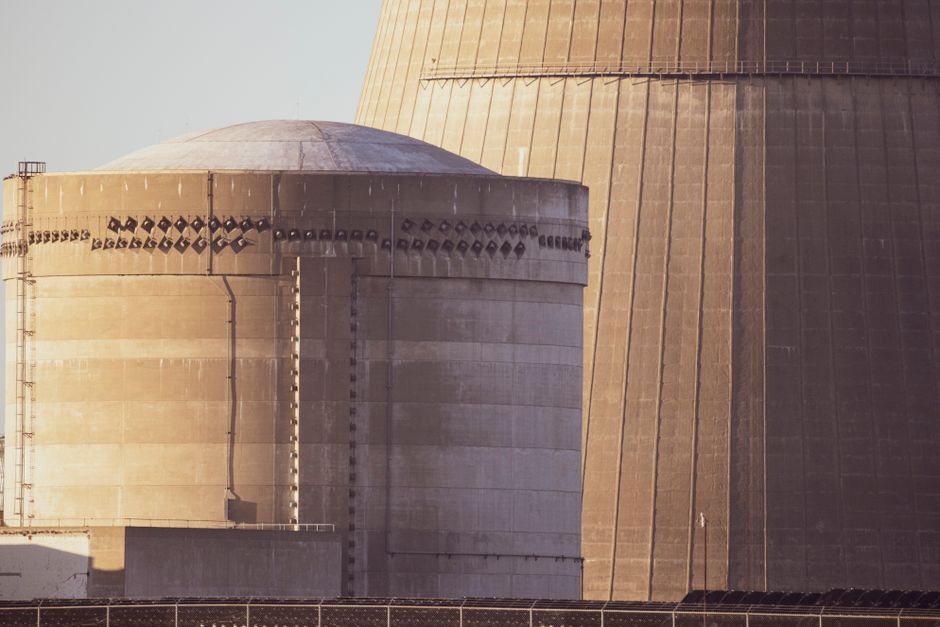
The Paks II project involves the construction of two new reactor units at Hungary’s only nuclear power plant, located south of Budapest along the Danube. Orbán’s government signed the original agreement with Moscow in 2014, and the prime minister at the time celebrated it in the most effusive terms, according to reports, calling it the deal of the century for Hungary’s long-term energy security.
Strategic Liability or Energy Lifeline?
The project has attracted sustained criticism from European Union officials and energy policy analysts who argue that deepening nuclear dependency on Russia runs counter to the broader European effort to reduce reliance on Russian energy infrastructure, a process that accelerated sharply following Moscow’s full-scale invasion of Ukraine in February 2022. Hungary has repeatedly resisted EU-level pressure to distance itself from Russian energy contracts, maintaining that the arrangements are essential for keeping domestic electricity prices stable.
Magyar’s intervention is significant because it suggests that the political consensus underpinning the deal may be narrower than Orbán’s government has claimed. While Fidesz has presented the Paks expansion as a matter of national economic interest transcending partisan divisions, opposition voices have grown louder in arguing that the financial and geopolitical risks associated with relying on Rosatom have increased substantially since the war in Ukraine began.
The construction timeline for Paks II has already slipped considerably from its original schedule, with delays attributed to a combination of regulatory hurdles, supply chain complications, and the broader consequences of Western sanctions on Russia. Financing arrangements, which involve a substantial Russian state loan covering the majority of costs, have also come under scrutiny from analysts who question the long-term fiscal implications for Hungary.
Whether Magyar’s position translates into a firm policy commitment or remains a statement of principle will likely depend on the political landscape ahead of Hungary’s next general election, due in 2026. Observers note that unwinding a project of this scale would carry its own significant costs and legal complications, meaning any future government would face difficult choices regardless of its ideological starting point. For now, Magyar’s remarks have succeeded in placing the Paks II question firmly back at the centre of Hungary’s political conversation.