ECB Narrows Field for Euro Banknote Redesign as Public Consultation Opens
The European Central Bank has moved a step closer to giving the euro its first major visual overhaul in decades, shortlisting a set of design concepts for new banknotes that pit cultural icons against imagery drawn from Europe’s natural world. The competing themes reflect a broader question about how the eurozone wishes to present itself to the world — and to its own citizens.
According to reports, the shortlisted proposals include designs inspired by figures and symbols from European cultural heritage, with composer Ludwig van Beethoven among the candidates, as well as nature-themed concepts featuring birds and other elements of the continent’s diverse ecosystems. The juxtaposition has already drawn attention as a revealing choice: tradition and high culture on one side, environmental consciousness on the other.
The ECB has opened a public consultation period running until 21 September, inviting citizens across the eurozone to share their views on the shortlisted options. The exercise is framed as an opportunity for the public to engage with the redesign process, though officials have been clear that the final decision rests with the ECB’s governing bodies rather than with the outcome of any popular vote.
A New Look for a Maturing Currency
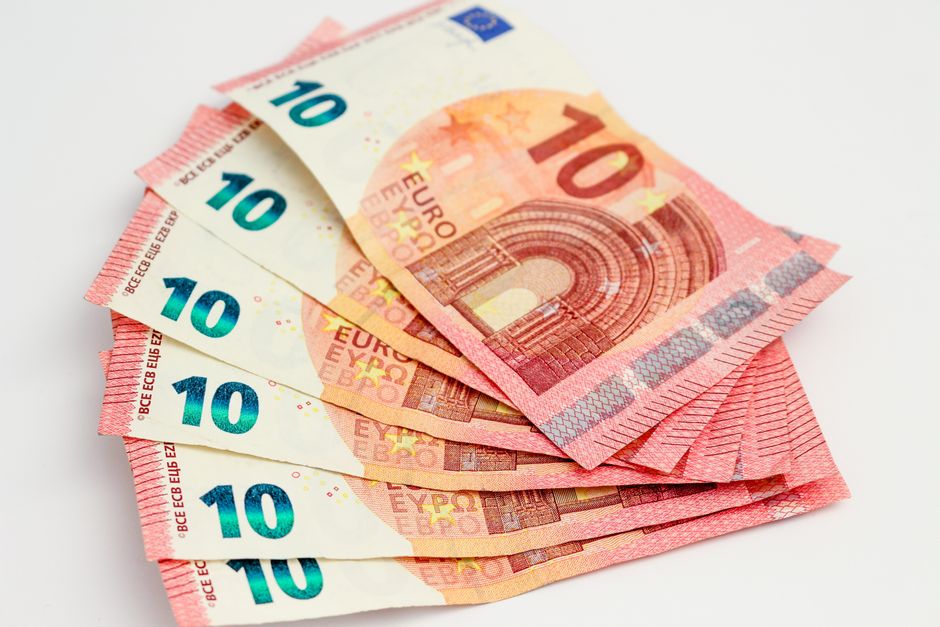
The euro banknotes currently in circulation were introduced at the launch of the single currency in 2002, featuring the now-familiar architectural motifs — windows, gateways, and bridges — that were deliberately chosen to avoid favouring any one member state’s national heritage. A second series, the Europa series, was rolled out from 2013 onwards but retained the same architectural concept. The upcoming redesign would represent a more substantive departure, moving toward imagery with more explicit cultural or natural resonance.
The initiative reflects a growing debate within European institutions about how the bloc communicates its identity and values through everyday objects. Banknotes, handled by millions of people daily, carry significant symbolic weight, and the choice of imagery is rarely politically neutral. Opting for a figure such as Beethoven — German-born but claimed as a pan-European cultural touchstone — would inevitably carry different connotations than a design centred on wildlife or landscapes.
Critics of the consultation process have noted that while public input is welcome, the mechanics of the exercise limit its actual influence. The ECB retains full authority over the final selection, meaning citizen preferences serve an advisory function at best. Nonetheless, the bank appears keen to demonstrate transparency and inclusivity at a moment when trust in European institutions remains a politically sensitive topic.
The redesigned notes are not expected to enter circulation for several years, as the process involves extensive technical testing, security feature development, and coordination with national central banks across the eurozone. The timeline means that whichever design is ultimately chosen, it will likely debut in an economic and political landscape quite different from the one in which the decision is being made today.
For now, the shortlisting phase marks a symbolic milestone in a process that has been under discussion for some time. Whether the final banknotes end up celebrating European cultural achievement or the continent’s natural heritage — or some combination of both — the redesign will offer a window into how European institutions choose to define and project a shared identity in the mid-twenty-first century.