Total Solar Eclipse Casts Rare Shadow Across Northern Spain for First Time in Decades
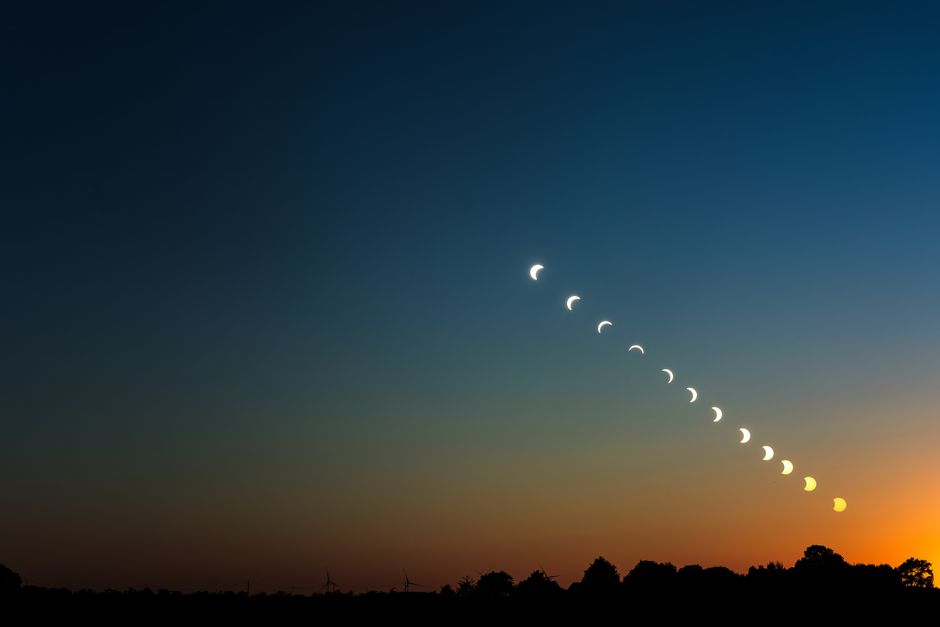
Parts of northern Spain experienced a rare moment of midday darkness this week as a total solar eclipse passed overhead, drawing crowds of spectators and marking the most significant astronomical event to cross mainland Europe in nearly two decades. The phenomenon, which had not been witnessed over the European continent since 2006, left observers marvelling at the brief but dramatic transformation of daylight into an eerie twilight.
The eclipse traced a sweeping path across the Northern Hemisphere before reaching European shores, first casting its umbral shadow over Greenland before moving southward to clip parts of Iceland. From there, the path of totality arced across the Atlantic Ocean, ultimately making landfall along the northern coast of Spain, where the effect was most pronounced for those positioned directly within the narrow corridor of complete coverage.
A Celestial Path Across the Atlantic
For communities situated within the path of totality, the experience was described as striking. Daytime temperatures dropped noticeably, stars became briefly visible in the darkened sky, and animals reportedly displayed confused behaviour in response to the sudden loss of light. Areas just outside the central corridor observed a deep partial eclipse, with a significant portion of the sun obscured even if complete darkness was not achieved.
Astronomers and scientific institutions across Spain and neighbouring countries had been preparing for the event for months, positioning specialised equipment along the path to capture data that is difficult or impossible to gather under ordinary conditions. Solar eclipses offer researchers a rare opportunity to study the sun’s outer atmosphere, known as the corona, which is normally obscured by the star’s overwhelming brightness.
Tourism officials in the affected regions of Spain had anticipated a significant influx of visitors drawn by the spectacle, with hotels and viewing sites in prime locations reporting strong demand in the days leading up to the event, according to reports. Eclipse tourism has become an increasingly recognised economic phenomenon in recent years, with enthusiasts travelling considerable distances to position themselves within the path of totality.
The last comparable event visible from mainland Europe occurred in 2006, meaning that for a substantial portion of the current population, this represented a once-in-a-lifetime opportunity to witness a total solar eclipse without travelling abroad. The next total solar eclipse expected to cross over European territory is not anticipated for a number of years, reinforcing the significance of this week’s event for those fortunate enough to observe it under clear skies.
Authorities in the region had issued guidance ahead of the eclipse reminding the public to use certified protective eyewear when viewing the sun, except during the brief moments of totality when direct observation is considered safe. Emergency services and local authorities reported no major incidents connected to the event, and the occasion was broadly celebrated as a moment of shared wonder across the communities it touched.