Deadly Russian Strikes Hit Kyiv as Air Defence Debate Intensifies
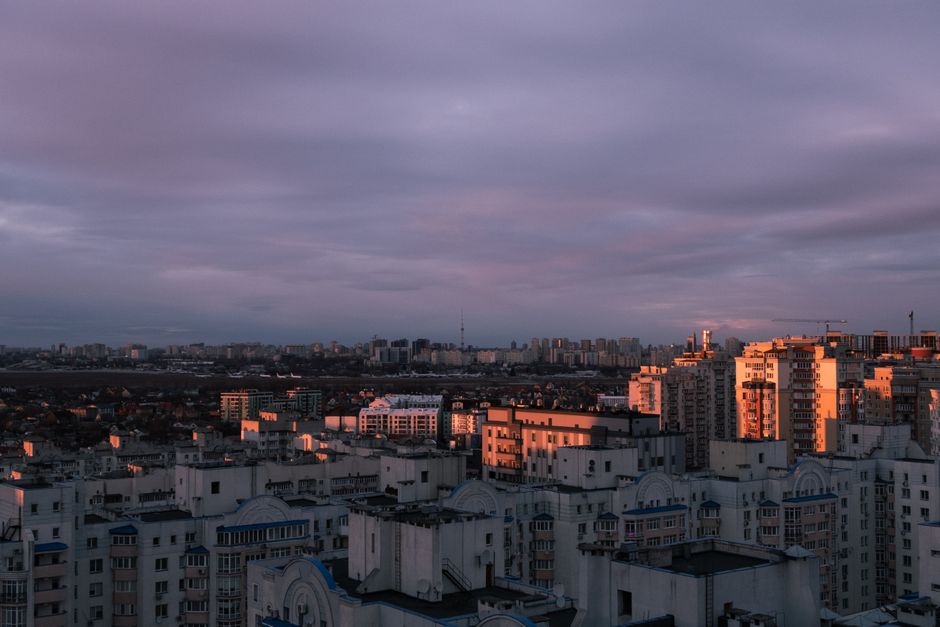
A series of Russian missile and drone strikes on Kyiv and the surrounding region killed at least 12 people and left 33 others injured, Ukrainian officials said, in one of the deadliest attacks on the capital in recent weeks. The assault underscored the continued vulnerability of Ukrainian cities even as diplomatic discussions over weapons supplies remain unresolved in Western capitals.
Emergency services responded to multiple sites across Kyiv and nearby areas, where residential buildings and infrastructure were reported to have sustained significant damage. Rescue operations were ongoing in the hours following the strikes, according to reports from local authorities, with casualties feared to rise as crews worked through the debris.
The attack drew renewed attention to Ukraine’s air defence capacity, which has been a central and increasingly contested topic in its relationships with Western allies. Patriot missile systems, capable of intercepting ballistic and cruise missiles, have been among the most sought-after assets by Kyiv throughout the conflict.
Washington’s Reversal Clouds Weapons Supply Picture
Adding to the complexity of Ukraine’s defence posture, reports emerged that United States President Donald Trump had at one point authorised Ukraine to obtain licences that would have allowed the country to manufacture Patriot air defence systems domestically — a significant step that would have reduced Kyiv’s dependence on deliveries from abroad. However, that decision was subsequently reversed, according to reports, leaving the status of any such manufacturing arrangement uncertain.
The episode reflects the broader unpredictability that has characterised Washington’s approach to Ukraine support under the current administration. European allies have repeatedly called for greater clarity and consistency in Western backing for Kyiv, warning that any perception of wavering could embolden further Russian military action.
Ukraine has long argued that strengthening its air defence network is among the most urgent priorities, not only to protect military targets but to shield civilian populations from the kind of strikes seen in and around Kyiv. Officials in Kyiv have appealed to partners to accelerate deliveries and, where possible, support local production capabilities that would allow for faster maintenance and replenishment of interceptor stockpiles.
Russia has continued its aerial campaign against Ukrainian cities and infrastructure despite ongoing international pressure and repeated calls for a ceasefire. The strikes on Kyiv come against a backdrop of stalled diplomatic efforts, with no substantive negotiations reported to be under way. European governments have largely maintained their support for Ukraine, though debates over the scope and duration of that support continue within the bloc. As the death toll from the latest attack becomes clearer, pressure is likely to mount on allied governments to respond with tangible measures rather than statements of condemnation alone.