Danube’s Record Low Waters Reveal WWII Soldiers and Wartime Artefacts in Budapest
The retreating waters of the Danube River have brought a haunting chapter of history back to the surface in Budapest, where the skeletal remains of two German Wehrmacht soldiers and a well-preserved Second World War-era motorbike have been recovered from the riverbed after lying submerged for approximately eight decades.
The remarkable discovery was made possible by exceptionally low water levels that have exposed stretches of the Danube’s riverbed in and around the Hungarian capital in recent weeks. Recovery teams retrieved the soldiers’ remains along with the vintage military motorcycle, believed to date from the final years of the Second World War, when fierce fighting swept through the region as Soviet forces advanced westward and German troops mounted a prolonged defence of Budapest.
A River That Holds the Secrets of War
The Hungarian capital was the scene of one of the most devastating urban battles of the entire conflict. The Siege of Budapest, which lasted from late 1944 into early 1945, resulted in catastrophic casualties on all sides and left much of the city in ruins. Historians estimate that tens of thousands of soldiers and civilians perished during the months-long engagement, and according to reports, the Danube claimed many of those who died trying to cross or defend its banks.
The recovery of human remains from that era is not unprecedented along this stretch of the river, but the simultaneous surfacing of identifiable military equipment alongside the soldiers lends this discovery particular historical significance. The motorbike, though corroded after years of submersion, was described as being in a recognisable condition, offering potential clues about the unit and circumstances involved, officials said.
Authorities have indicated that the remains will be handled in accordance with established protocols for wartime casualties, which typically involve forensic examination, attempts at identification where possible, and eventual repatriation or burial with appropriate military honours. Germany and Hungary maintain cooperation frameworks for the dignified handling of war dead discovered on Hungarian soil.
The unusually low water levels that enabled the find have themselves become a cause for concern among environmental observers and river management authorities. The Danube, which flows through ten countries and serves as a vital artery for transportation, agriculture, and ecosystems across Central and Eastern Europe, has been subject to recurring low-water events in recent years. According to reports, the current conditions reflect a combination of reduced precipitation across the wider catchment area and the broader pressures of a changing climate.
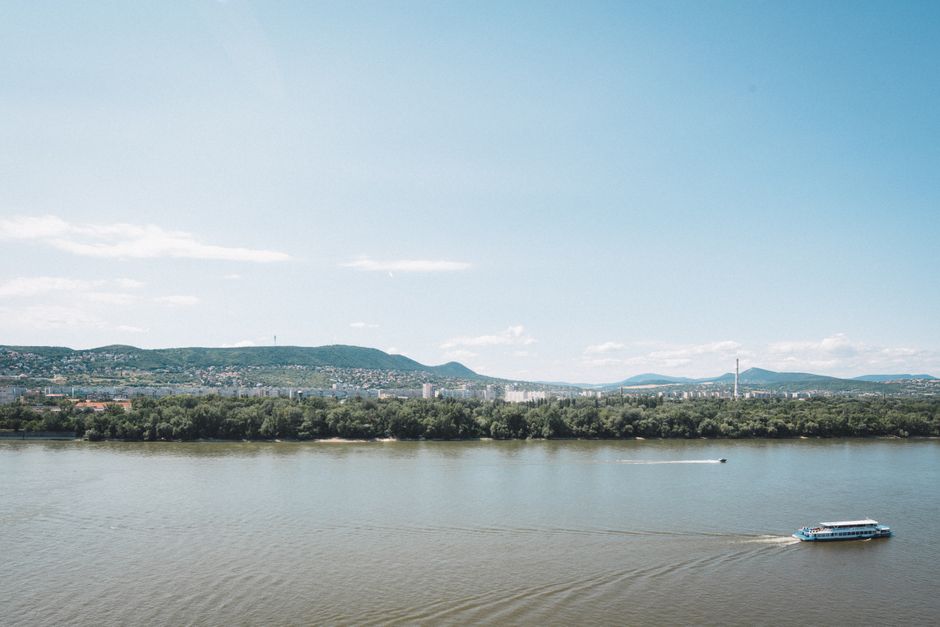
For Budapest residents and visitors, the exposed riverbed has served as a stark visual reminder of the waterway’s historical role. The Danube’s banks witnessed some of the darkest moments of the twentieth century, and periodic discoveries of this kind underscore how much of that history remains literally buried beneath everyday life in European cities. Recovery teams are understood to be continuing surveys of affected areas while conditions allow, and further finds of wartime material cannot be ruled out as long as the water level remains below normal.