Drought Cuts Villány Wine Harvest by Nearly a Third as Hungary’s South Bakes in Dry Heat
Hungary’s celebrated Villány wine region is bracing for a significantly leaner vintage this year, with producers reporting that drought conditions have slashed the expected harvest by around 30 percent compared to a typical season. The shortfall marks one of the more severe weather-related setbacks the country’s southernmost wine-growing zone has experienced in recent years.
Winegrowers in the region say prolonged dry heat throughout the growing season has accelerated the ripening process in their vineyards, forcing grapes to mature earlier than usual. While early ripening is not inherently problematic, the compressed timeline combined with moisture stress has reduced berry size and overall yield, leaving producers with considerably less fruit to bring in from the fields.
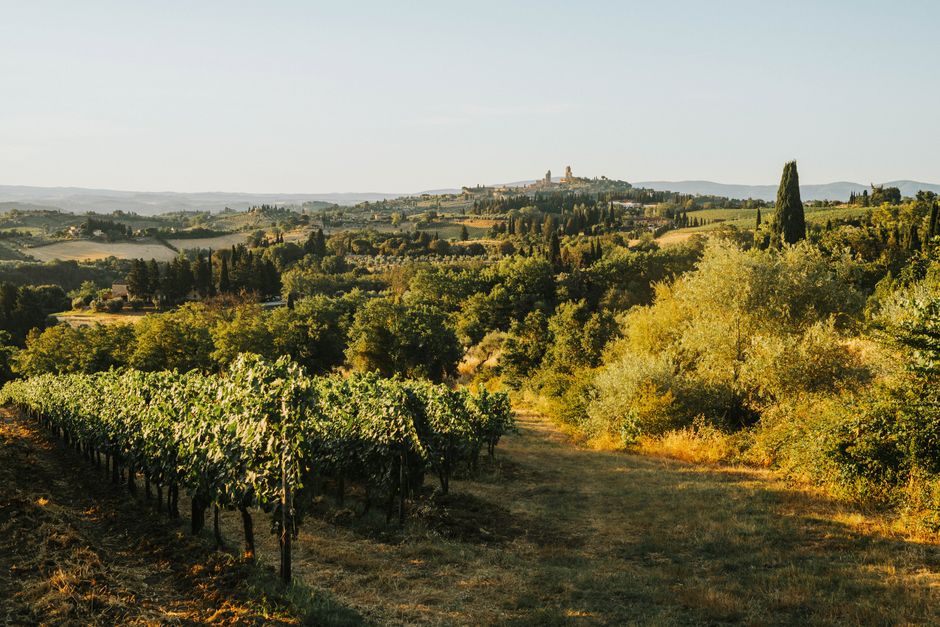
Villány, which sits close to the Croatian border and benefits from a continental climate tempered by Mediterranean influences, is widely regarded as one of Hungary’s premier red wine appellations. The region has built an international reputation on full-bodied varietals such as Cabernet Franc, Merlot, and the local Portugieser. A harvest reduction of this magnitude carries implications not only for individual estates but for the region’s broader economic footprint.
Wider Pressures on European Wine Production
The situation in Villány reflects a pattern playing out across vine-growing regions throughout southern and central Europe this summer. Irregular rainfall, prolonged heat episodes, and shifting seasonal rhythms have made consistent yield planning increasingly difficult for producers from the Iberian Peninsula to the Carpathian Basin. According to reports, some Hungarian winemakers are adapting their practices — including canopy management and irrigation where permitted — to mitigate the worst effects of heat stress on their vines.
Officials and industry observers have noted that while a smaller harvest does not automatically translate into lower quality wine — drought stress can in some cases concentrate flavours — the economic pressure on smaller family-run estates can be acute when volumes fall sharply. Fixed costs for labour, equipment, and cellar operations do not diminish proportionally alongside a reduced crop, squeezing margins at a time when energy costs and broader inflationary pressures have already strained the sector.
The timing of the early ripening has also presented logistical challenges, according to reports from the region. Harvest operations that would ordinarily be planned for later in the autumn had to be mobilised ahead of schedule, requiring winegrowers to coordinate picking crews and winery capacity within a tighter window than anticipated.
As climate patterns continue to evolve, wine regions across Europe are increasingly investing in research into drought-resistant rootstocks, alternative varietals, and updated viticultural techniques. For Villány, whose identity is closely tied to its specific terroir and traditional grape varieties, finding that balance between adaptation and preservation of regional character remains an ongoing challenge. This year’s reduced harvest is likely to sharpen those conversations among producers and policymakers alike as the European wine industry confronts a more volatile climate future.