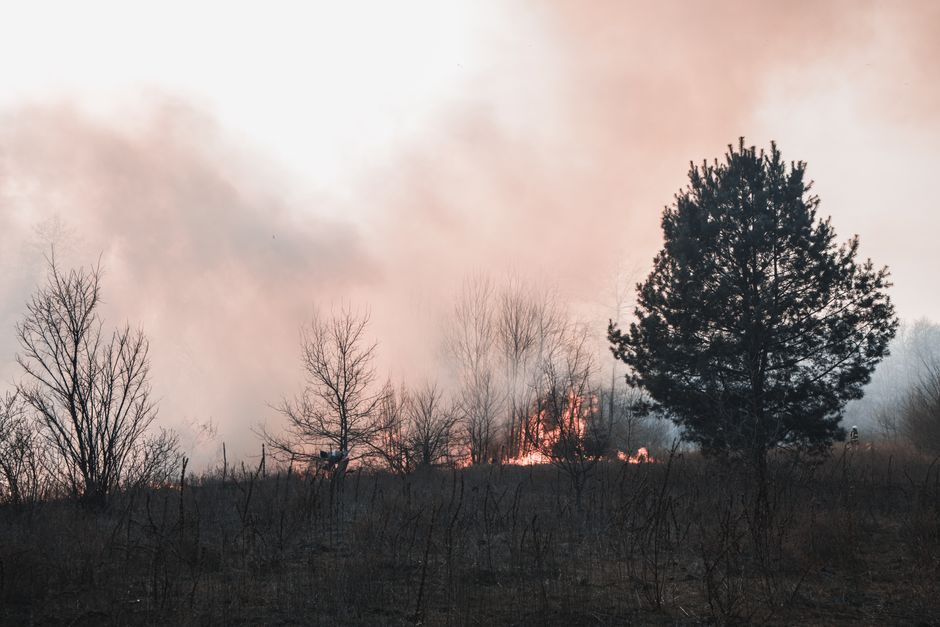
Greece’s Crumbling Electricity Infrastructure Fuels Wildfire Crisis
Greece is confronting a deepening crisis at the intersection of climate change and neglected infrastructure, as investigators and energy experts increasingly point to the country’s outdated power grid as a primary driver of the devastating wildfires that have scorched vast swathes of the country in recent years.
Ageing and poorly maintained electricity lines, many of them running directly through dense, fire-prone forests and scrubland, have been identified as a recurring ignition source for some of Greece’s most destructive blazes. According to reports, loose or sagging cables, combined with dry vegetation and strong seasonal winds, create conditions in which a single electrical fault can rapidly escalate into an uncontrollable inferno.
The problem is not unique to Greece, but the country’s particular combination of factors — a Mediterranean climate growing hotter and drier under the effects of climate change, rugged terrain, and decades of underinvestment in energy infrastructure — makes it especially vulnerable. Officials have acknowledged that significant portions of the national grid are operating well beyond their intended service life, with upgrades repeatedly delayed by budgetary constraints, particularly in the years following the sovereign debt crisis that began in 2010.
A Grid Built for Another Era
Greece’s electricity distribution network was largely constructed in the mid-to-late twentieth century, designed for a country with different energy demands and a very different climate profile. Experts say that the infrastructure has not kept pace with either the growing frequency of extreme heat events or the expanding population in semi-rural and peri-urban areas at the so-called wildland-urban interface — precisely the zones where power lines are most likely to come into contact with dry vegetation.
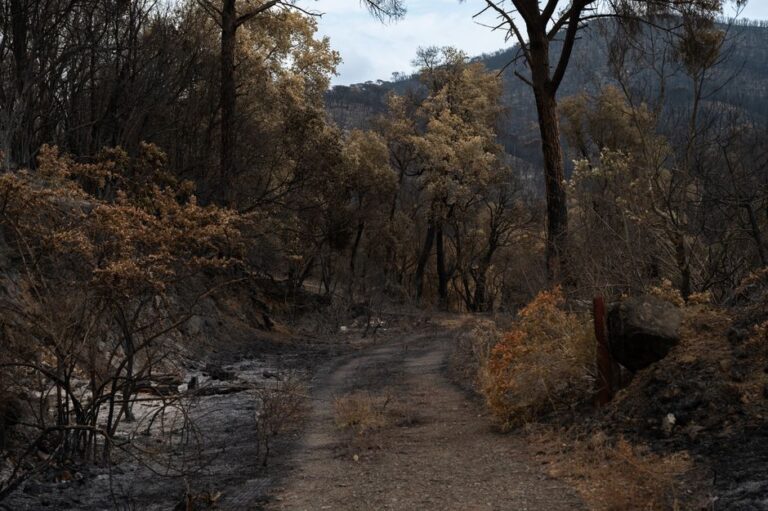
The consequences have been severe. Several major fire events in recent memory have been traced back, at least in part, to electrical faults along distribution lines, according to reports from Greek authorities and independent analysts. In some cases, high winds caused lines to snap or arc, sending sparks into tinder-dry undergrowth with devastating effect. The resulting fires have claimed lives, destroyed thousands of properties, and caused significant long-term damage to ecosystems and local economies.
Environmental groups and energy policy advocates have called on the Greek government to accelerate a comprehensive programme of grid modernisation, arguing that investment in undergrounding cables — burying power lines beneath the surface to remove them from contact with vegetation — could substantially reduce ignition risk. While this approach is costly, proponents argue that the economic and human toll of repeated wildfires far outweighs the expenditure required.
Athens has signalled awareness of the issue, with energy ministry officials indicating that funding from European Union recovery and cohesion mechanisms could be directed towards infrastructure upgrades. However, critics argue that progress has been too slow given the scale and urgency of the threat. With another fire season approaching and meteorologists forecasting continued above-average temperatures across the eastern Mediterranean, pressure on Greek authorities to act decisively is intensifying. For a country still scarred by the memory of its worst fire disasters, the question of whether political will can match the pace of a changing climate has rarely felt more urgent.