EU Rallies Behind Euronews After Belarus Labels Broadcaster ‘Extremist’
The European Union has expressed firm solidarity with pan-European broadcaster Euronews after Belarusian authorities designated the outlet as an extremist organisation, a classification that effectively bans its operation and content within the country. The move has drawn swift condemnation from Brussels and a range of international press freedom advocates, who describe it as the latest in a sustained campaign to silence independent media under President Alexander Lukashenko’s government.
Belarusian authorities added Euronews to a list of organisations deemed extremist, a legal instrument that has been used with increasing frequency since the mass protests that followed the disputed 2020 presidential election. Under Belarusian law, the designation carries serious consequences: distributing or even consuming content from a listed organisation can expose individuals to criminal liability, making the label a powerful tool of media suppression.
A Pattern of Media Suppression
The Euronews ban does not stand in isolation. According to reports, dozens of independent media outlets, civil society groups, and journalistic initiatives have been shuttered or forced into exile since the crackdown began in earnest four years ago. Several prominent Belarusian journalists continue to operate from neighbouring countries such as Poland, Lithuania, and Ukraine, producing coverage that is technically illegal to access back home. Press freedom organisations have consistently ranked Belarus among the most hostile environments for journalism in the entire European region.
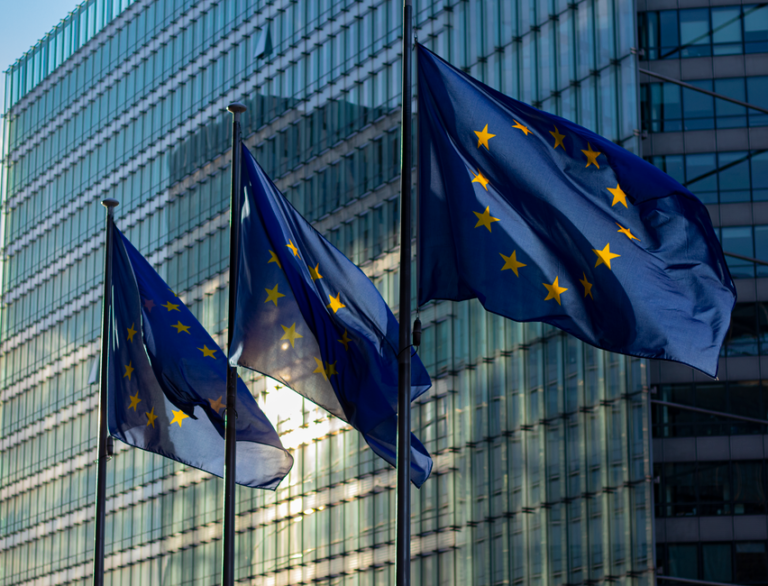
EU officials described the designation of Euronews as an unacceptable attack on press freedom and journalistic independence. The bloc underscored that targeted actions against established European media organisations represent a qualitative escalation, moving beyond domestic outlets to international broadcasters with a wide continental reach. European Commission representatives signalled their full support for Euronews and reiterated calls for Belarus to restore fundamental freedoms, according to reports from Brussels.
Leading press freedom bodies echoed that concern, framing the ban as part of an orchestrated effort to control the information environment ahead of any potential future political transition. Organisations monitoring media conditions in the region noted that restricting access to foreign broadcasters cuts Belarusian citizens off from reporting that is produced according to professional editorial standards and free from state interference.
Euronews, which broadcasts in multiple European languages and maintains editorial offices across the continent, has not curtailed its coverage of Belarus in response to the designation. The broadcaster, which receives partial public funding from EU institutions, is widely watched across Central and Eastern Europe and has reported extensively on the political situation in Minsk since the post-election turmoil of 2020.
The incident adds to growing tensions between the EU and Belarus, which remain at a diplomatic low point following disputes over migration, the forced diversion of a Ryanair flight to arrest a dissident journalist in 2021, and Minsk’s close alignment with Moscow since Russia’s full-scale invasion of Ukraine. EU sanctions against Belarusian officials and entities remain in place, and Brussels has shown no indication of easing pressure while the human rights situation in the country remains dire. Officials said the bloc would continue to monitor the media environment closely and support journalists and civil society actors working under increasingly difficult conditions.