Wildfires and Heatwaves Tighten Their Grip on a Parched Europe
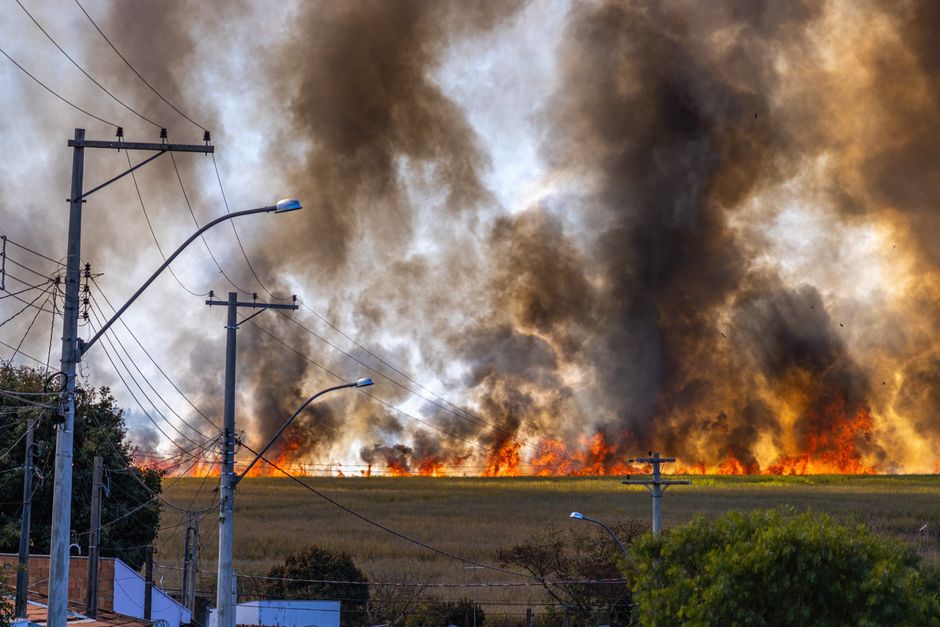
From the hillsides outside Athens to the sun-scorched landscapes of Spain, Europe is once again confronting the devastating reality of wildfire season, as emergency services battle active blazes and authorities order evacuations to protect communities in the path of fast-moving flames.
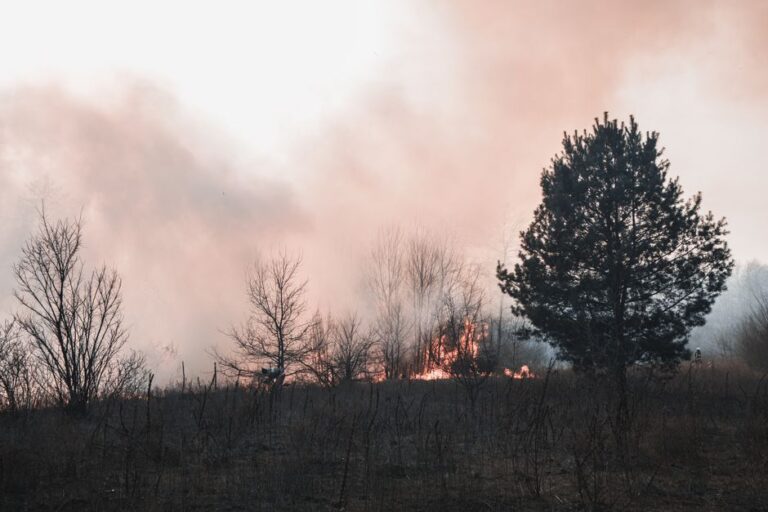
A significant wildfire burning near the Greek capital has been brought under control after firefighters mounted an intensive response, according to reports, though crews remained on the ground to monitor hotspots and prevent any resurgence. In Spain, evacuation orders were issued in affected areas as fires driven by extreme heat and dry conditions threatened residential zones, with emergency services working around the clock to contain the spread.
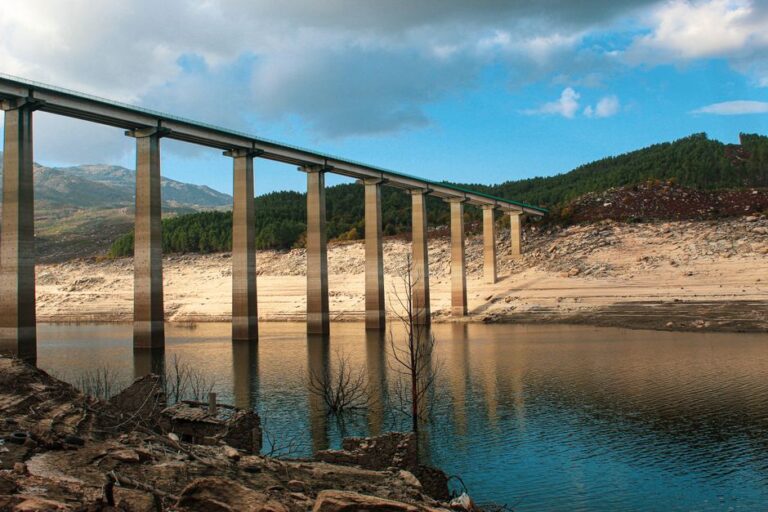
The twin emergencies are unfolding against a backdrop of broader climate stress gripping the continent. Much of Europe is bracing for another intense heatwave following prolonged periods of drought that have pushed river levels to historic lows, strained water supplies, and created the tinder-dry conditions in which wildfires ignite and spread with alarming speed.
A Continent Under Climate Pressure
The pattern of successive heatwaves and fire outbreaks has become a defining feature of recent European summers. Scientists and policymakers have long warned that rising global temperatures, driven by climate change, are increasing both the frequency and intensity of such events. This year, those warnings have again translated into lived emergency for thousands of people, with communities across southern and central Europe forced to adapt to conditions that were once considered exceptional but are increasingly routine.
The human cost has also been significant. Officials and health authorities have noted that extreme heat across Europe has contributed to thousands of deaths in recent years, with elderly populations and those with pre-existing health conditions particularly vulnerable. Heatwaves are now recognised as one of the deadliest natural hazards affecting the continent, even as dramatic wildfire images tend to dominate media coverage.
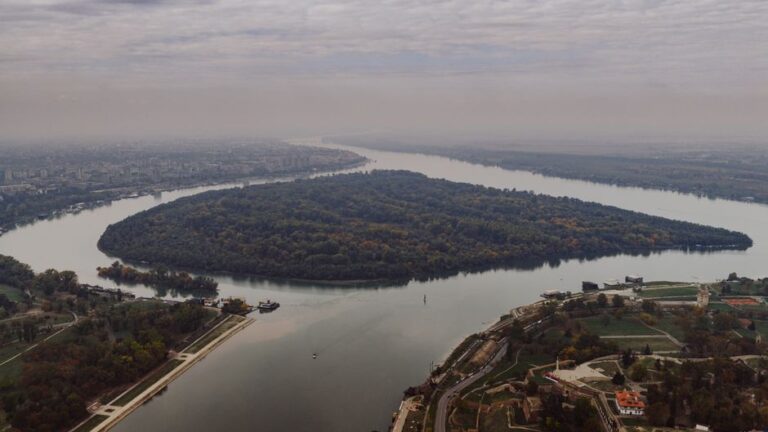
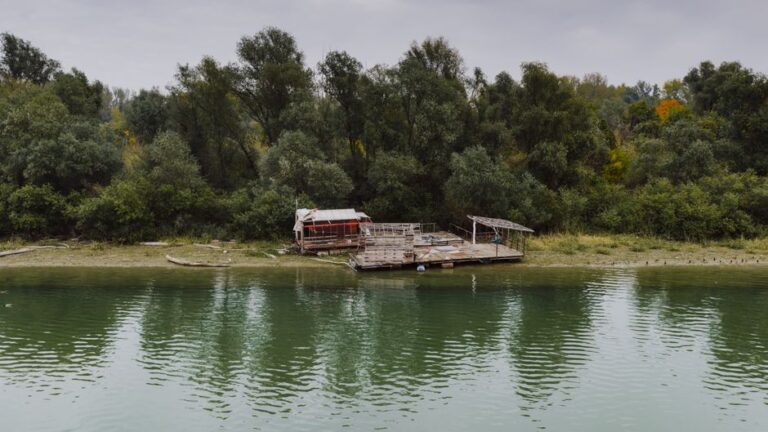
Rivers across parts of Europe have fallen to critically low levels following months of below-average rainfall, disrupting inland shipping, threatening agricultural output, and putting pressure on ecosystems. The convergence of drought, heat and fire represents what many environmental observers describe as a compounding crisis — one in which each factor amplifies the others.
European civil protection mechanisms have been activated in recent seasons to help member states share firefighting resources, including aerial assets, and the bloc has continued to invest in early warning systems and coordinated emergency response frameworks. However, the scale and frequency of incidents is testing the limits of those systems, and calls are growing for longer-term investment in prevention, land management and climate adaptation across the region. As another summer of extreme weather unfolds, the fires burning near Athens and across parts of Spain serve as a stark reminder that for many Europeans, the consequences of a changing climate are no longer a future concern — they are an immediate and recurring reality.