Falling Danube Levels Reveal Centuries of Hidden History Beneath the Surface
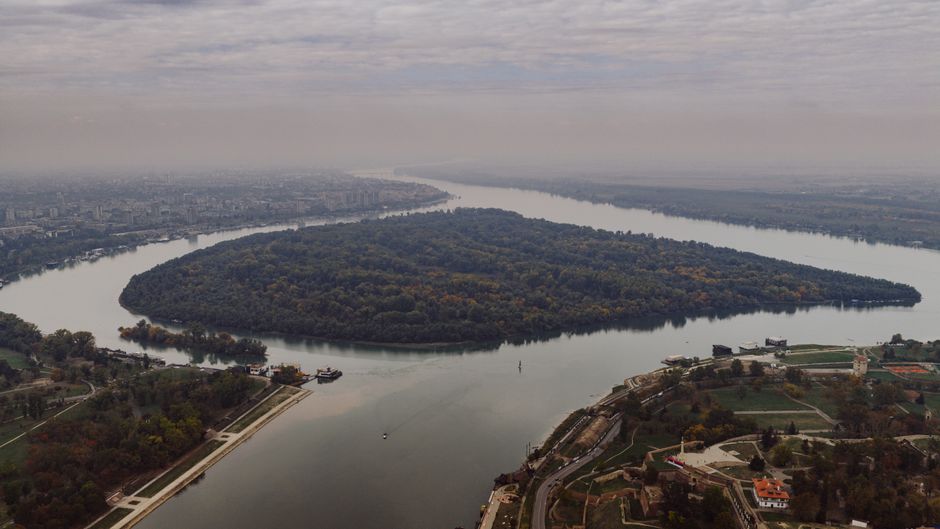
Unusually low water levels along the Danube River, driven by prolonged drought conditions, have uncovered a remarkable array of historical artefacts and structures that have lain submerged for decades or even centuries. From prehistoric fossils to the rusted hulks of wartime vessels, the retreating waters are offering researchers and historians a rare window into the past.
The phenomenon has been observed along multiple stretches of one of Europe’s longest and most historically significant waterways. As water levels continue to drop below seasonal norms across parts of Central and Eastern Europe, the exposed riverbed is yielding finds that would ordinarily require significant underwater excavation efforts to access.
Ancient Foundations Emerge in Bulgaria
Among the most significant discoveries is a section of the river running through Bulgaria, where archaeologists have gained access to the structural remains of what is believed to be a bridge dating back to approximately the year 328. According to reports, the ancient foundations have become accessible enough for specialists to conduct detailed on-site study, providing potentially valuable insights into late Roman-era engineering and infrastructure along what was then a critical imperial frontier.
The Danube served as a natural boundary for the Roman Empire, and the construction of durable river crossings during that period would have been of considerable strategic and logistical importance. Researchers are said to be taking advantage of the current conditions to document and analyse the exposed stonework before waters return to normal levels.
Beyond the ancient remains, the low water conditions have also brought World War Two-era shipwrecks into view. A number of vessels sunk during the conflict now sit partially or wholly above the waterline in certain areas, some of which have been known to navigation authorities for years but have rarely been so accessible. Officials noted that the wrecks present both a historical opportunity and, in some cases, a navigational and environmental concern, as aging hulls may still contain hazardous materials.
Fossil discoveries have added a further dimension to what is shaping up to be an extraordinary period of accidental archaeology along the river. Palaeontologists and amateur enthusiasts alike have reportedly encountered prehistoric animal remains along dried or shallow sections of the riverbank, though the full scope of such finds has yet to be formally catalogued.
The dramatic exposure of these historical layers is, however, a direct consequence of conditions that carry serious warnings for the region. Drought along the Danube basin has placed pressure on agriculture, shipping, and freshwater supplies in several countries that depend on the river. Water levels significantly below historical averages have disrupted cargo transport and raised concerns among environmental agencies about the long-term health of the river’s ecosystem.
Scientists monitoring the situation have linked the recurring low-water events to broader climate patterns, with drought periods along the Danube becoming more frequent and severe in recent years. While the archaeological revelations offer a compelling silver lining, experts caution that the underlying cause reflects the accelerating impact of climate change on Europe’s major river systems — and the communities that rely on them.