France Braces for Intense Heat as Paris Landmarks Prepare Early Closures
France is once again gripped by sweltering temperatures as a powerful heatwave sweeps across the country, prompting authorities to place 24 departments in northwestern France under the highest level of heat alert and forcing some of Paris’s most iconic attractions to curtail their opening hours.
Météo-France, the national meteorological service, has issued red heat alerts — the most severe category in the agency’s warning system — for a broad swathe of northwestern France. The alert affects more than 22 million people, underscoring the scale of a weather event that authorities are treating with considerable urgency. Red alerts indicate dangerous conditions that pose a serious risk to health, particularly for vulnerable groups including the elderly, young children, and those with pre-existing medical conditions.
Among the most visible responses to the crisis, several of Paris’s celebrated landmarks announced they would close their doors earlier than usual on Saturday. The Eiffel Tower, which draws millions of visitors each year from across the globe, is among the sites adjusting its schedule in response to the extreme conditions. Authorities managing major tourist sites across the capital have encouraged visitors to plan accordingly and take precautions against heat-related illness.
Public Health at the Forefront as Temperatures Climb
French public health officials have urged residents and visitors alike to stay hydrated, seek shade or air-conditioned spaces during the hottest parts of the day, and check on elderly or isolated neighbours. Municipal authorities in several cities are reported to have opened cooling centres — designated public spaces where people can shelter from the heat free of charge. Public swimming facilities in some areas have reportedly extended their hours to give more people access to relief from the extreme warmth.
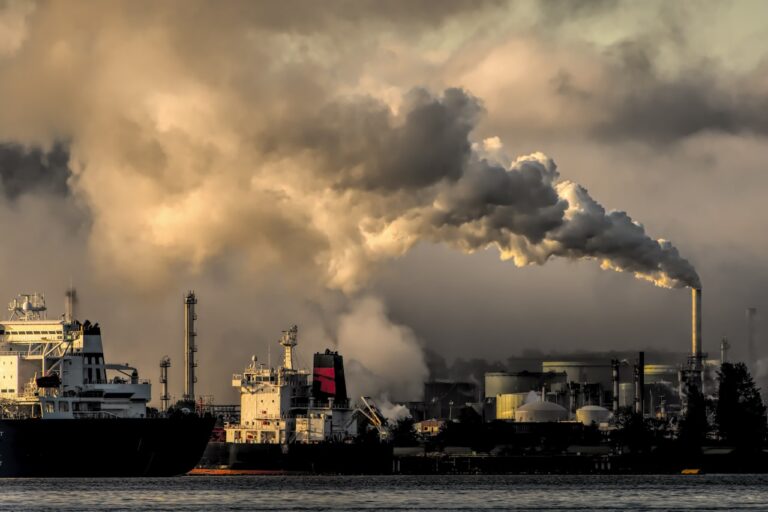
This latest heatwave arrives as France and much of Europe continue to grapple with a pattern of increasingly frequent and intense heat events. Climate scientists have long warned that rising global temperatures linked to greenhouse gas emissions are making extreme heat episodes more common, more prolonged, and more geographically widespread across the continent. France in particular has experienced several deadly heatwaves in recent decades, including the catastrophic summer of 2003, which served as a turning point in how the country approaches heat emergency planning.
The red alert designation carries with it a range of coordinated government responses, including enhanced monitoring of at-risk populations, restrictions on outdoor work during peak heat hours, and increased communication campaigns aimed at raising public awareness. Regional governments and local municipalities play a central role in deploying these measures on the ground, according to reports from French media.
Transport networks across the affected regions are also under strain, as high temperatures can affect rail infrastructure and road surfaces. Operators have been monitoring conditions closely and, in some cases, imposing speed restrictions on certain rail lines as a precautionary measure, according to reports.
As Saturday’s peak temperatures are expected to bear down on millions of people across northwestern France, officials are continuing to monitor conditions closely and have not ruled out extending or expanding the alert in the coming days, depending on how the weather system evolves. Forecasters suggest some relief may arrive early next week, though the situation remains fluid and subject to change.