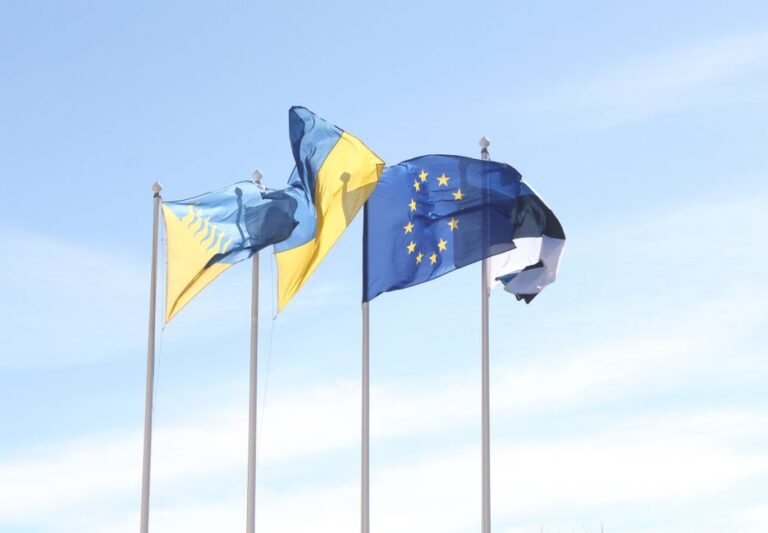
EU-Moldova Summit 2026: Accession Milestone in Brussels
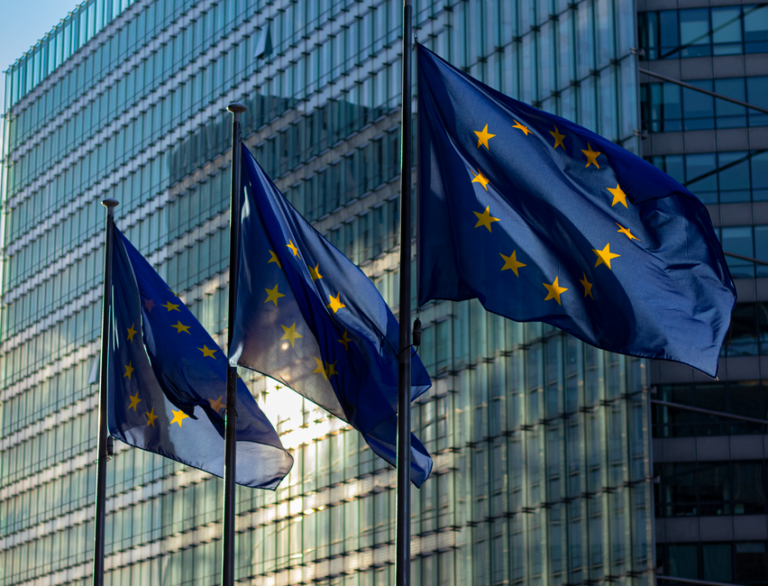
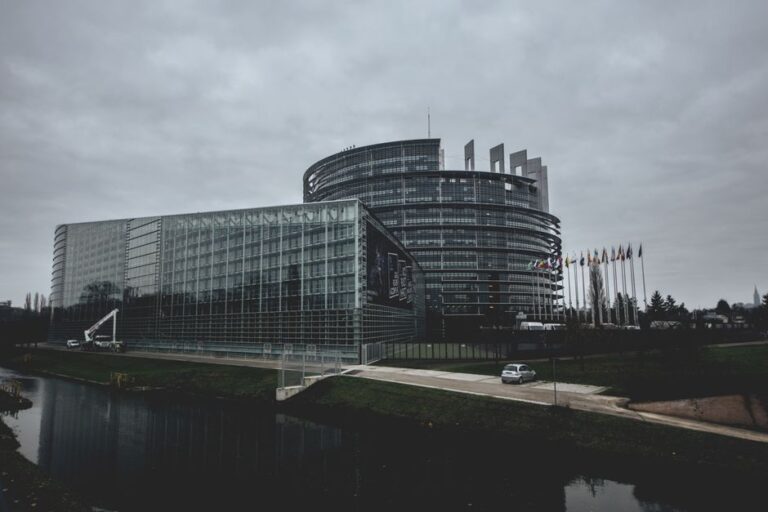
Brussels hosted the first-ever EU-Moldova summit from 19 to 22 June 2026, marking a watershed moment in the small republic’s European integration journey. European Council President António Costa and Commission President Ursula von der Leyen received Moldovan President Maia Sandu as formal EUCO conclusions endorsed the summit on its opening day, cementing Moldova’s status as a credible accession candidate rather than a distant aspirant.
The diplomatic centrepiece arrived four days earlier, on 15 June, when Moldova opened its Fundamentals accession cluster simultaneously with Ukraine — the first such cluster opening in three years for either candidate. The Fundamentals cluster is the most demanding in the accession process, covering rule of law, judicial independence, anti-corruption measures, fundamental rights, media freedom and the fight against organised crime. Brussels does not open this cluster lightly, and the Commission’s June 2026 progress report recorded Moldova’s reform implementation rate at 78 per cent — a figure that has drawn quiet admiration from officials accustomed to far slower progress from far larger candidates.
What distinguishes Moldova from Ukraine in the accession calculus is a combination of circumstance and political will. Chisinau faces no active conflict on its territory, though the frozen Transnistria dispute continues to complicate its eastern flank. Its economy, at roughly €16 billion in GDP, presents an absorption cost that EU budgetary planners find manageable. Most importantly, Sandu’s government has maintained a consistent pro-European reform trajectory under conditions designed to derail it. Russia cut Gazprom gas supplies to Moldova in October 2025, a transparent act of energy blackmail intended to shake public confidence in the European path. The EU responded immediately, deploying emergency gas reserves and additional REPowerEU funding. The solidarity dividend was measurable: Moldovan public approval of EU membership climbed from 54 per cent to 67 per cent in polling conducted after the crisis.
Russia’s interference has not been limited to energy. The 2025 Moldovan elections saw documented attempts to channel Russian financing to anti-EU parties, with Chisinau and Brussels partially blocking those flows. Disinformation campaigns of the kind now familiar across the Eastern Partnership have targeted Moldovan media with particular intensity. Yet the constitutional referendum of 2024, which enshrined EU membership as a national objective, gave Sandu’s government a democratic mandate that has proved difficult to undermine through external pressure alone.
The summit is expected to deliver three concrete outcomes: a significant increase in pre-accession IPA funding, a new bilateral security partnership, and the opening of negotiations on observer status in selected EU agencies. Each of these represents a tangible step that moves Moldova beyond political declarations and into institutional integration — the kind of incremental entrenchment that tends to make accession irreversible in practice long before it is complete in law.
Commission analysts working on enlargement timelines now consider full Moldovan membership realistic between 2029 and 2031, provided the current reform pace holds. That projection places Moldova ahead of Ukraine, not because Kyiv lacks commitment, but because the scale of Ukraine’s post-war reconstruction, its vastly larger territory and the continuing security variables make accession logistics incomparably more complex. Moldova, by contrast, offers the EU a manageable test case — one where the accession machinery can demonstrate that it still works, generating the political confidence needed to sustain the broader enlargement agenda through what promises to be a demanding decade.
For Sandu, the Brussels summit represents vindication of a high-risk European gamble made under sustained pressure. For the EU, it represents an opportunity it would be imprudent to squander.