Oil Posts Worst Month Since the Pandemic as a Fragile US-Iran Ceasefire Framework Awaits Trump’s Signature
Oil prices have fallen sharply in May, posting their worst month since the Covid-19 pandemic, as traders bet on a fragile US-Iran ceasefire that could reopen the Strait of Hormuz—a waterway through which roughly one-fifth of the world’s energy supply normally flows. Brent crude ended the month around USD 92-93 per barrel, down approximately 19 per cent, after US and Iranian negotiators mostly agreed terms of a 60-day memorandum extending hostilities suspension and opening nuclear talks. Yet the deal remains unsigned and awaits President Donald Trump’s approval, leaving Europe’s inflation trajectory—and the energy relief it desperately needs—hanging on the outcome of a narrow, contested diplomatic process.
The Market Signal: Optimism Tempered by Uncertainty
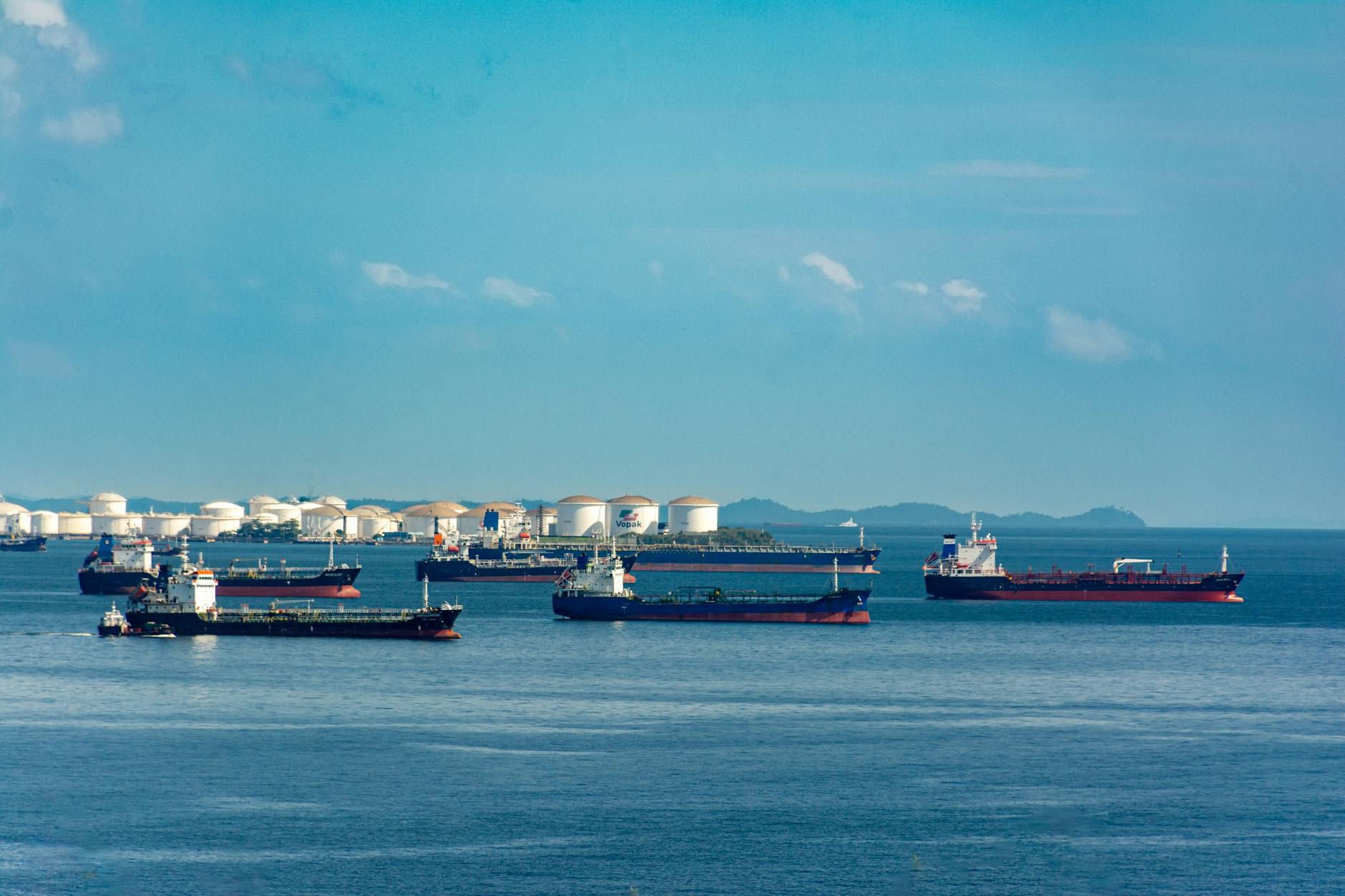
The retreat in crude pricing reflects a significant shift in trader sentiment. Brent fell some 20 per cent from its 2026 peak as market participants increasingly priced in the possibility of a sustainable ceasefire and the reopening of one of the world’s most strategically vital waterways. The Strait of Hormuz’s importance cannot be overstated: this narrow channel between Iran and Oman handles roughly 20 per cent of global energy traffic, making it far more consequential to global energy security than any single production facility or pipeline.
Yet the market move reflects hope rather than certainty. UBS analysts cautioned that “there is still little evidence of improved vessel traffic”, with “crude loadings inside the Gulf extremely low”, according to the Swiss bank’s assessment. This suggests traders are pricing in a future reopening rather than reacting to immediate changes on the ground. The distinction matters: it indicates that any breakdown in negotiations could trigger a rapid reversal of these gains.
Diplomacy in Limbo: The Trump Signature Problem
The negotiated framework itself represents a diplomatic achievement of sorts. US and Iranian negotiators are understood to have reached broad agreement on a 60-day memorandum of understanding that would extend the ceasefire, allow the strait to be demined and reopened, and create space for negotiations on Iran’s nuclear programme. The structure—a time-limited agreement focused on immediate de-escalation before addressing longer-term issues—follows a familiar diplomatic playbook.
However, the deal’s status remains suspended in a peculiar limbo. According to US sources, the memorandum is not yet signed and still awaits President Trump’s approval. This creates a significant source of uncertainty: what negotiators have agreed in principle remains subject to political approval that is not yet forthcoming. For market participants and European policymakers, this represents a critical bottleneck. A signature from Trump could stabilise expectations and accelerate the physical reopening of the strait; a rejection or further delay would undermine the diplomatic process entirely.
Competing Narratives and Disputed Claims
The diplomatic landscape is further complicated by fundamentally different accounts of what a reopened strait would look like. According to Iranian state media, a draft understanding would restore pre-war shipping traffic managed jointly by Iran and Oman. This framing—suggesting Iranian stewardship of the waterway—carries significant symbolic weight, implying a degree of control over one of the world’s most critical energy chokepoints.
The White House rejected this characterisation entirely. A White House official dismissed Iran’s account as “a complete fabrication”, while Trump stated that “no nation would control shipping through the strait”. This fundamental disagreement over the terms of access—even as negotiators claim to have reached agreement—suggests that either the memorandum remains vague on operational details, or that both sides are constructing domestic political narratives around the same underlying text.
Volatility Persists: The Risk of Breakdown
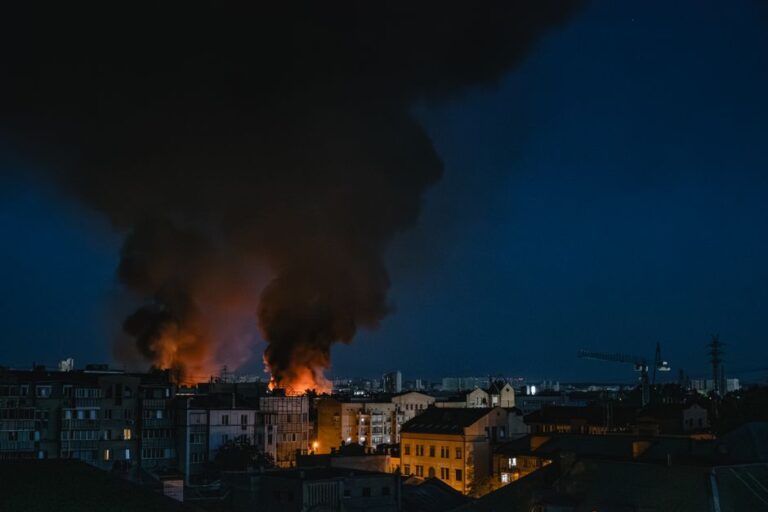
The situation remains volatile, with military incidents continuing despite the diplomatic progress. On 28 May, according to US Central Command, Iran launched ballistic missiles toward Kuwait that were intercepted, whilst drones were also sent toward the strait. These incidents suggest that even as senior negotiators work on a ceasefire framework, lower-level military actors continue to operate with some degree of autonomy or that the ceasefire itself remains contested among Iranian power centres.
Such volatility is precisely what markets fear. A single significant incident—a successful drone strike on shipping, an escalatory response, or a political rupture in either capital—could reverse the month’s price declines within hours. Europe’s energy markets, already scarred by the 2022 price shock, remain hypersensitive to such risks.
European Stakes: Inflation, the ECB, and the Summer Ahead
For Europe, the stakes could scarcely be higher. The conflict has been “the dominant driver of Europe’s energy-price spike”, according to analysis within the Commission, and it remains “the main reason euro area inflation hit 3 per cent in April”. This energy-driven inflation prompted the European Central Bank’s shift toward raising rates on 11 June—a monetary tightening that, whilst necessary to anchor long-term expectations, will add pressure on households and businesses already squeezed by rising debt servicing costs.
The Commission’s AccelerateEU relief plan was conceived directly as a response to this energy-price shock. A durable reopening of the Strait of Hormuz would ease imported inflation, taking pressure off industry and households across the continent. Conversely, a diplomatic breakdown would deepen the squeeze, potentially forcing the ECB toward even sharper rate rises and further straining the fiscal relief programmes designed to cushion households from energy shocks.
Waiting for a Signature
As of 1 June, Europe remains in a state of suspended animation, awaiting both a presidential signature and the physical reality of demined shipping lanes. The month’s decline in crude prices reflects rational optimism about supply relief. But until the memorandum is signed and cargo genuinely begins moving through the strait once more, that optimism remains conditional. For European inflation watchers and central bankers, the narrow waterway in the Gulf remains the variable that matters most.