Wildfire Crisis Grips Southern Europe as Greece Battles Multiple Blazes and Fatal Helicopter Collision
Southern Europe continues to grapple with a devastating wildfire season, with Greece emerging as the most severely affected country this week after a deadly midair collision between two firefighting helicopters responding to an active blaze. The incident underscores the mounting pressure on emergency services across the continent as crews face relentless conditions and overstretched resources.
The collision, which occurred as both aircraft were engaged in aerial firefighting operations, has added a tragic human dimension to a crisis that has already tested the limits of national emergency response systems across the region. Authorities confirmed the incident and investigations are underway, according to reports. The loss of aircraft further complicates Greece’s efforts to contain fires burning in multiple locations simultaneously, with strong winds continuing to fan the flames and hamper ground and aerial operations alike.
A Continent-Wide Battle Shows Signs of Turning
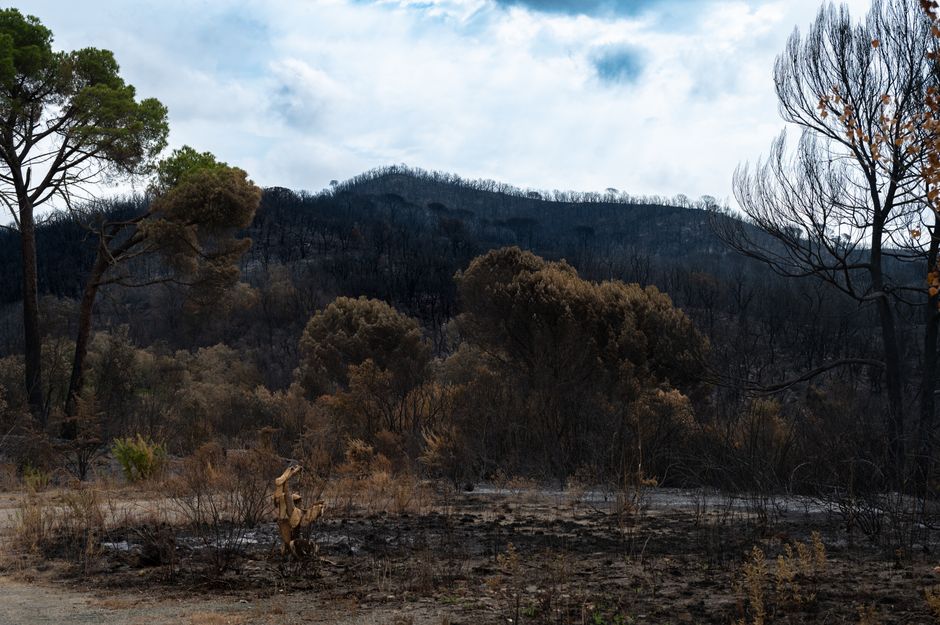
While Greece faces its most acute phase of the crisis, the broader picture across southern Europe offers some cautious grounds for relief. France, which spent weeks battling extensive fires that tore through forested regions, has reportedly succeeded in halting the spread of its blazes. French firefighting services, bolstered by European civil protection mechanisms and significant national resources, managed to bring the situation under control after a prolonged and gruelling campaign, officials said.
Spain’s wildfire situation is also showing signs of improvement, though the threat has not been fully extinguished. Authorities report that while the overall trajectory is more favourable than in recent weeks, active fires continue to spread in certain areas, keeping emergency crews on high alert. The Spanish government has maintained a significant operational presence in affected regions as conditions remain volatile.
Greece, by contrast, is contending with what officials describe as a particularly challenging combination of factors. High winds are accelerating the movement of fires across different parts of the country, making containment efforts significantly more difficult. Multiple simultaneous outbreaks are stretching firefighting capacity, and the helicopter collision has reduced the available air assets at a critical moment. European partners have been called upon to assist through shared civil protection resources, according to reports.
The wildfire season across southern Europe has once again raised urgent questions about preparedness, resource allocation, and the long-term consequences of increasingly dry and hot summers. Climate scientists and environmental organisations have consistently pointed to rising temperatures and prolonged drought conditions as key drivers behind the intensification of wildfire events across the Mediterranean basin. Governments have faced criticism in previous years for what observers describe as insufficient investment in prevention and early detection infrastructure.
Emergency services across the affected nations have praised the coordination offered through European Union civil protection frameworks, which allow member states to share aircraft, personnel, and equipment during large-scale natural disasters. However, the simultaneous nature of this year’s crisis — with France, Spain, and Greece all requiring significant assistance at the same time — has exposed the limitations of collective capacity when multiple countries face acute emergencies concurrently. As Greece continues to fight fires on several fronts, the coming days will be critical in determining whether the situation can be brought under control before further lives or infrastructure are lost.