
UK Prime Minister Burnham Leaves Door Open on EU Membership Question
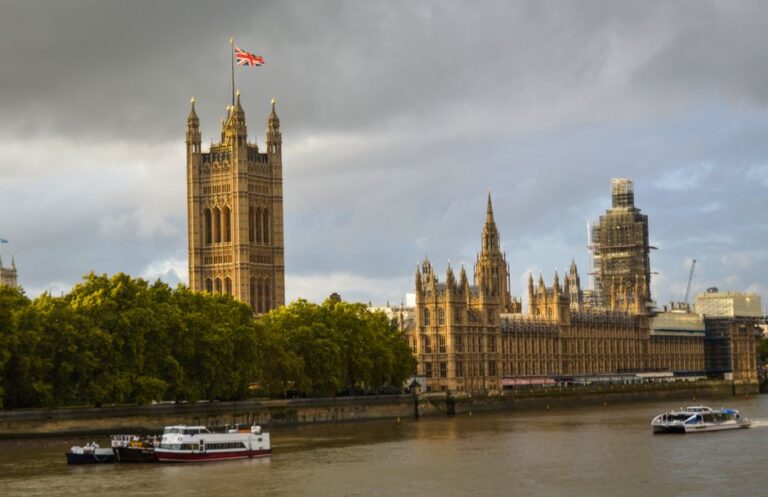
British Prime Minister Andy Burnham has stopped short of ruling out the possibility of the United Kingdom eventually rejoining the European Union, reigniting one of the most contentious debates in modern British political history. The remarks, which stopped well short of a firm commitment in either direction, have nonetheless drawn significant attention on both sides of the Channel and revived discussions that many politicians had hoped to leave behind.
The statement marks a notable moment in Anglo-European relations, coming years after the UK formally completed its departure from the bloc following the 2016 referendum, in which British voters chose to leave the EU by a margin that has since defined and divided the country’s political landscape. That vote, and its aftermath, continue to reverberate through domestic policy debates and diplomatic negotiations alike.
Burnham’s reluctance to close the door entirely on EU membership stands in contrast to the firmly settled positions adopted by many of his predecessors, who tended to treat the matter as resolved. His refusal to make an unequivocal statement either way appears calculated — acknowledging a growing segment of public opinion that has, according to various surveys in recent years, shifted toward a more favourable view of EU membership while avoiding the political risks of making a concrete pledge on such a divisive issue.
A Question That Refuses to Fade
The Brexit debate has proven remarkably difficult to move past for British politics. Despite repeated efforts by successive governments to frame the matter as settled, polling has consistently suggested that public opinion on the original decision remains deeply split, and younger voters in particular have expressed greater openness to closer ties with Europe. That shifting demographic reality has given opposition voices and pro-European campaign groups renewed confidence in making their case publicly.
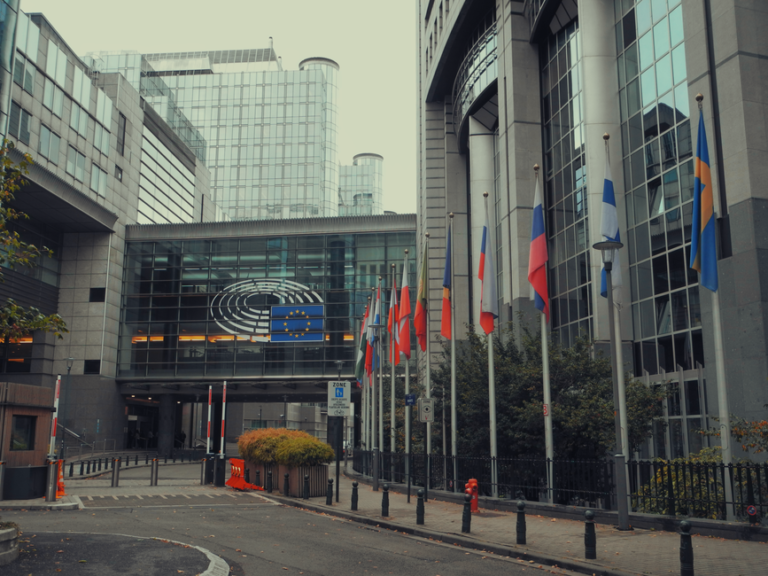
At the European level, reaction to Burnham’s comments has been measured. Officials in Brussels have historically maintained that any future accession process for the UK would need to follow the same procedures applicable to any candidate country, a path that would be lengthy, complex, and politically demanding for any British government willing to pursue it. There is no indication at this stage that formal overtures of any kind are being considered.
The economic dimension of the debate continues to loom large. According to reports, a number of British business groups and trade associations have long argued that the barriers introduced by Brexit have added friction and cost to cross-border commerce, particularly for small and medium-sized enterprises that trade heavily with EU partners. Supporters of closer alignment with Europe frequently cite these concerns as grounds for reconsidering the current relationship, even if full membership remains a distant prospect.
For now, Burnham’s position appears to be one of strategic ambiguity — leaving the theoretical possibility alive without committing to any policy action. Whether that posture reflects a genuine political calculation about Britain’s long-term direction, or simply an effort to avoid foreclosing options prematurely, remains to be seen. What is clear is that the question of Britain’s relationship with Europe is once again at the centre of public discourse, and shows little sign of losing its capacity to provoke strong feeling on all sides.