Trump’s New Tariff Wave Hits EU as Brussels Tightens Russia Sanctions
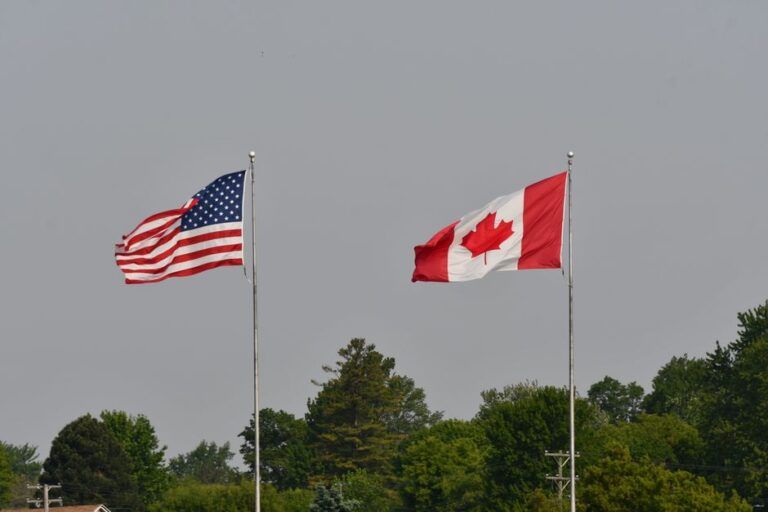
The European Union is facing fresh economic pressure from Washington after US President Donald Trump announced a new wave of tariffs on imports from key trading partners, with levies on European goods set to range between 10 and 12.5 percent. The move marks another escalation in transatlantic trade tensions and has prompted swift criticism from senior lawmakers in Brussels.
The tariff announcement follows a broader pattern of protectionist measures pursued by the Trump administration, which has framed the new duties as part of an effort to rebalance trade relationships it considers unfair to American producers. European exporters across sectors including manufacturing, agriculture, and consumer goods are expected to feel the impact of the new levies, according to reports from trade analysts monitoring the situation.
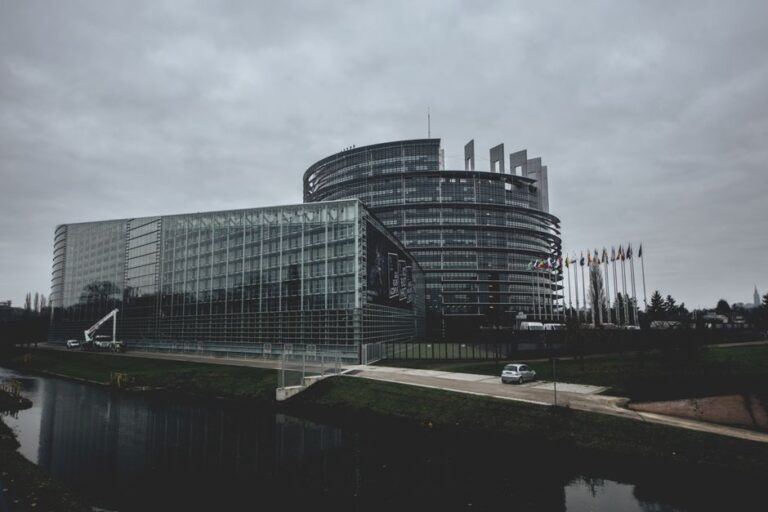
Bernd Lange, the European Parliament’s leading voice on trade policy, responded critically to the announcement, signalling that EU institutions would not accept the measures passively. Lange, who chairs the Parliament’s international trade committee, has consistently argued that the bloc must be prepared to defend its commercial interests through coordinated countermeasures if negotiations with Washington fail to yield results.
Brussels Moves on Two Fronts Simultaneously
The tariff dispute was not the only major development occupying EU policymakers this week. In a separate but equally significant development, member states reached agreement on a new package of sanctions targeting Russia, adding further pressure on Moscow over its continued military campaign in Ukraine. The sanctions package, which officials said was agreed following consultations among EU capitals, is expected to include additional asset freezes and trade restrictions, though the precise details of the measures were still being finalised at the time of reporting.
The dual developments — one involving a confrontation with a major Western ally, the other aimed at an adversary — illustrate the increasingly complex diplomatic environment Brussels is navigating. EU leaders have repeatedly called for stronger transatlantic unity in the face of Russian aggression, making the simultaneous emergence of a trade conflict with Washington an unwelcome complication for European foreign policy strategists.
Economists and trade specialists have warned that a sustained tariff dispute between the United States and the European Union could dampen growth on both sides of the Atlantic, at a time when the European economy is already contending with elevated energy costs and subdued consumer demand in several major member states. The EU collectively represents one of the United States’ largest trading relationships, with hundreds of billions of euros in goods and services exchanged annually.
European Commission officials are expected to assess the full scope of the new American tariffs in the coming days and determine what legal and diplomatic options are available under World Trade Organisation rules, as well as through direct engagement with the US administration. Whether Brussels opts for retaliatory measures or pursues a negotiated settlement is likely to depend on the outcome of those internal deliberations and any signals from Washington about its willingness to engage in dialogue. For now, the announcement has added a significant new layer of uncertainty to the EU’s already challenging economic outlook for the year ahead.