Oil Markets Rally as Middle East Tensions Mount and US Rate Hike Speculation Returns
Global oil prices pushed higher at the start of the week as a fresh escalation of tensions between the United States and Iran unsettled energy markets, while investors simultaneously grappled with renewed speculation that American monetary policy could tighten further in the months ahead.
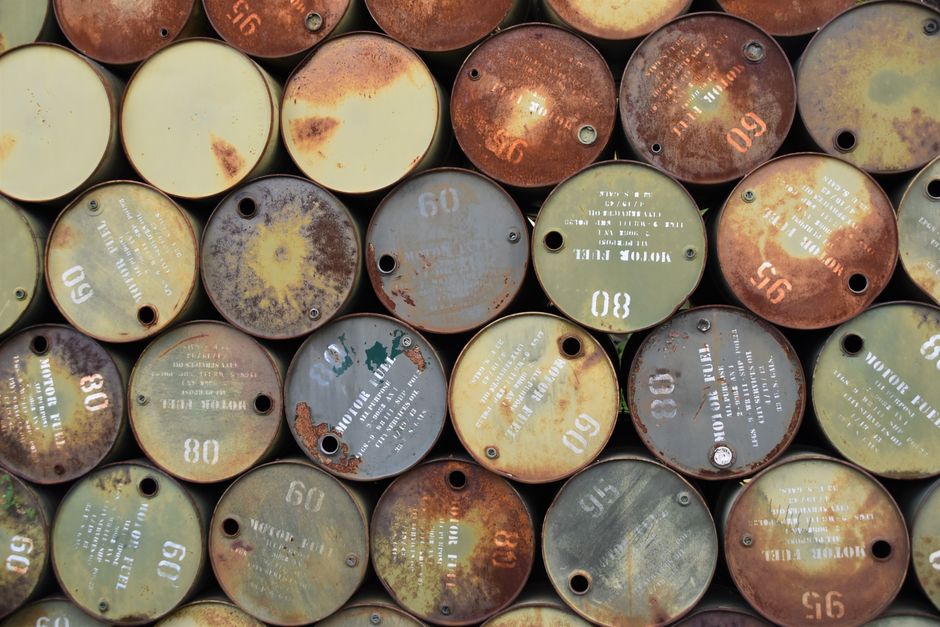
Crude benchmarks gained ground on Monday morning, reflecting the dual pressures of geopolitical risk in the Middle East and uncertainty over the future direction of US interest rates. The move higher underscored how sensitive energy markets remain to both regional instability and macroeconomic signals emanating from Washington.
Geopolitical Risk Pushes Back Into Focus
Tensions between Washington and Tehran have flared once again, according to reports, reigniting concerns among traders about potential disruptions to oil supply routes in one of the world’s most strategically critical energy corridors. The Middle East accounts for a substantial share of global crude exports, and any perception of risk to that flow tends to translate quickly into upward price pressure on international markets. Analysts noted that even without a direct impact on supply, the threat of escalation is often sufficient to drive speculative buying in oil futures.
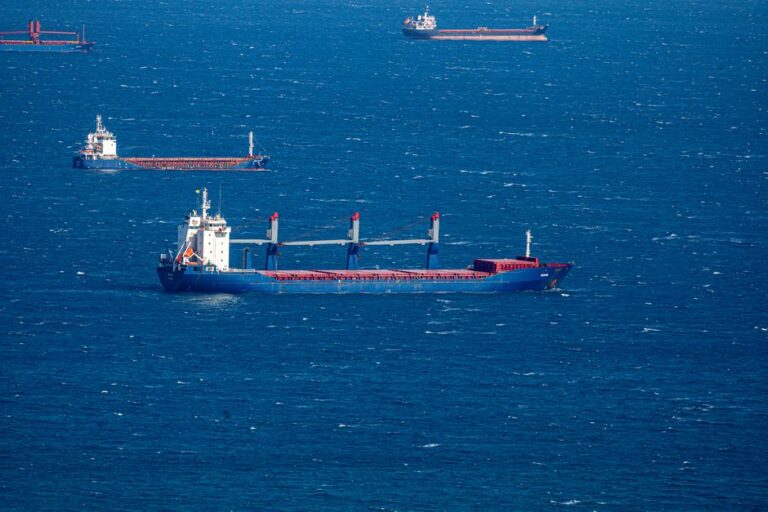
The latest episode adds to a pattern of periodic spikes in US-Iran friction that have repeatedly tested market nerves over recent years. Shipping lanes in the Persian Gulf and the Strait of Hormuz remain a focal point for any assessment of supply risk, given the volume of crude that passes through the region each day.
On the monetary policy front, remarks attributed to Kevin Warsh, a former member of the US Federal Reserve’s Board of Governors and a figure whose views carry weight in financial circles, appear to have rekindled talk of potential interest rate increases. Warsh has previously argued for a more hawkish stance on rates, and according to reports his latest commentary has prompted investors to reassess the likelihood of further tightening by the Federal Reserve.
The relationship between interest rates and oil prices is complex and can cut in both directions. Higher borrowing costs tend to slow economic growth and dampen energy demand, which would ordinarily weigh on prices. However, in this instance, the geopolitical premium appears to be outweighing those demand-side concerns, at least in the near term.
European markets were watching developments closely, given the continent’s sensitivity to energy price fluctuations. Higher oil prices feed through into broader inflationary pressures, a dynamic that policymakers at the European Central Bank have been monitoring carefully as they attempt to bring inflation sustainably back to target. Any sustained rise in crude could complicate that task and reopen debates about the pace of rate adjustments on this side of the Atlantic as well.
For now, traders appear to be pricing in a risk premium while awaiting greater clarity on both the geopolitical and monetary fronts. Market participants will be closely watching for any official statements from Washington or Tehran that might either de-escalate or deepen the current standoff, as well as any formal signals from Federal Reserve officials regarding the trajectory of US rates in the coming quarters.