Insolvency Filing Clouds Future of Portugal’s Largest Solar Farm
The British company behind Portugal’s largest solar power installation has entered insolvency proceedings, casting uncertainty over one of the Iberian Peninsula’s most prominent renewable energy projects and raising questions about the long-term viability of large-scale green energy ventures in southern Europe.
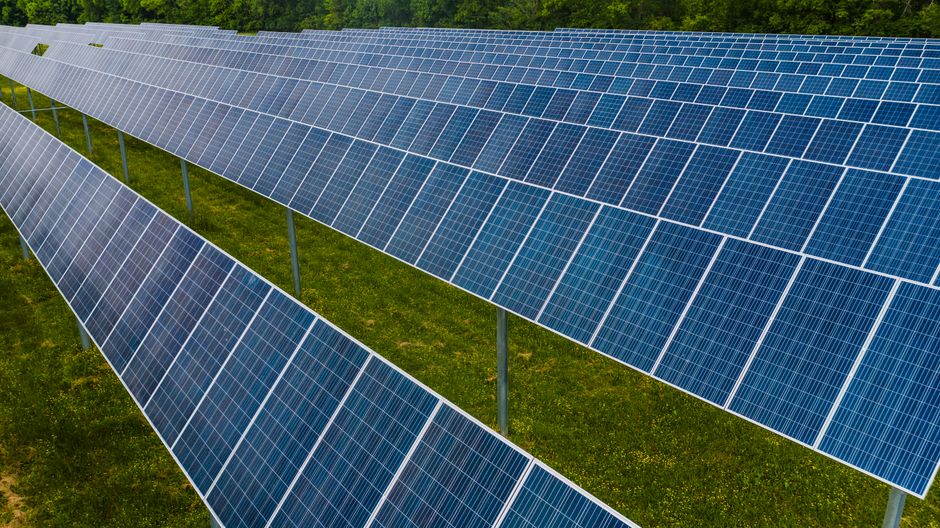
Solara4, the UK-registered firm responsible for operating the sprawling solar facility located near Alcoutim in the Algarve region, filed for insolvency after five years of continuous operational difficulties. The plant, which sits in one of Portugal’s sunniest and most sparsely populated corners, had long been positioned as a flagship example of the country’s ambitions to expand its renewable energy capacity.
A Troubled Track Record Since Launch
Despite the considerable potential of its location — the Algarve benefits from some of the highest solar irradiance levels in continental Europe — Solara4 reportedly encountered a series of persistent setbacks throughout its operational life. According to reports, the company struggled repeatedly with challenges that undermined its ability to sustain the project financially, though specific details of the underlying causes have not been fully disclosed at this stage of the insolvency process.
The filing represents a significant development for Portugal’s energy sector, which has invested heavily in solar and wind capacity in recent years as part of its broader commitments to the European Union’s green transition targets. Portugal has consistently ranked among the EU’s leaders in renewable energy as a share of total electricity generation, and disruptions at major installations can attract scrutiny from both regulators and investors monitoring the sector’s stability.
The Alcoutim facility’s situation also highlights a broader tension facing renewable energy developers across Europe: the gap between the promise of abundant natural resources and the complex financial, logistical, and regulatory realities of building and sustaining large infrastructure projects over the long term. Several solar and wind ventures across the continent have encountered similar difficulties in recent years, particularly those involving cross-border ownership structures where financing arrangements can become complicated.
It remains unclear at this stage what the insolvency proceedings will mean for the day-to-day operation of the solar plant itself. In many such cases, administrators are appointed to assess whether a business can be restructured, sold as a going concern, or wound down entirely. Employees and local stakeholders in the Algarve region are expected to be watching the process closely, given the plant’s role in the local economy and energy infrastructure.
Portuguese energy authorities and local officials have not yet issued detailed public statements regarding the immediate implications for grid supply or any contingency arrangements that may be under consideration. The outcome of the insolvency process is likely to be closely monitored by other renewable energy investors operating in Portugal and across southern Europe, where governments have been eager to attract private capital into the green energy transition but remain acutely aware of the reputational risks associated with high-profile project failures.