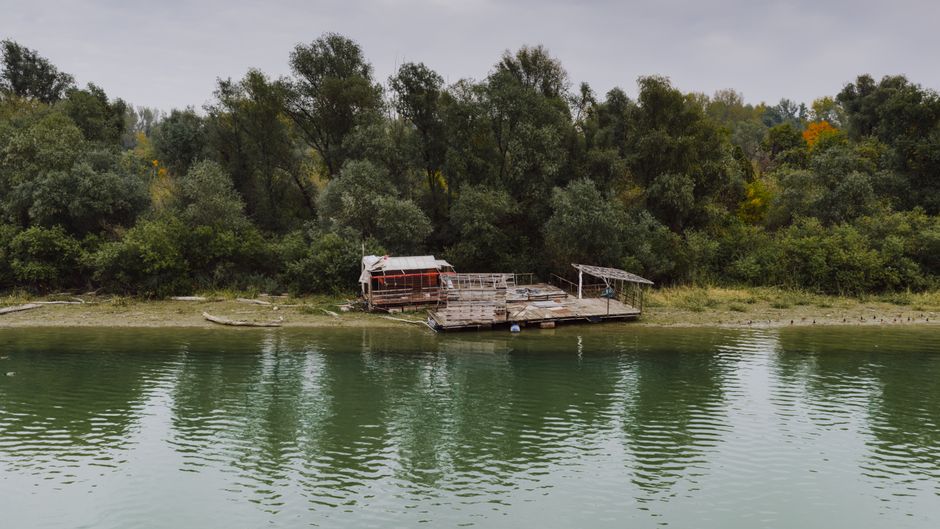
Danube Reaches Historic Lows as Central Europe Scrambles to Respond to Worsening Drought
Water levels along the Danube River have fallen to record lows, forcing governments across central Europe to declare emergencies and implement urgent measures as a prolonged heatwave continues to grip the continent and accelerate what experts describe as an accelerating freshwater crisis.
The river, which serves as a critical artery for navigation, agriculture, energy production, and drinking water supply across more than ten countries, has dropped to levels that are disrupting shipping lanes and threatening regional ecosystems. Officials in several affected nations have confirmed that the situation represents one of the most severe hydrological events recorded along the Danube in recent decades.
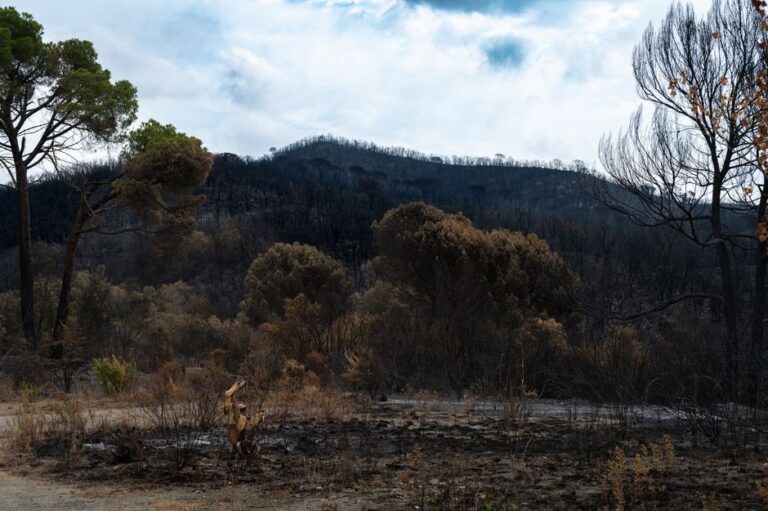
The crisis has unfolded against a backdrop of soaring temperatures sweeping across Europe this summer. Meteorological services have reported sustained heat anomalies well above seasonal averages, with little meaningful rainfall forecast in the short term for the river’s key catchment areas. The combination of extreme heat and reduced precipitation has placed enormous stress on river systems that many communities and industries depend upon daily.
Governments Activate Emergency Protocols
Authorities in central European states have moved quickly to respond, activating emergency water management protocols and coordinating at both national and regional levels, according to reports. Measures under consideration or already in effect include restrictions on commercial river traffic, temporary suspensions of water-intensive agricultural activities, and emergency support for communities facing disruptions to their water supply. Inland shipping operators have reported significant difficulties navigating shallower stretches of the river, with some cargo vessels forced to reduce loads or suspend operations entirely.
The Danube’s condition is being closely monitored by the International Commission for the Protection of the Danube River, which has flagged increasing concern over the long-term implications of repeated low-water events for biodiversity and water security in the region. Officials said cooperation between riparian states remains essential, given that the river crosses or borders numerous national territories before reaching the Black Sea.
Environmental observers note that this year’s crisis is not an isolated incident. The Danube has experienced a pattern of extreme low-water events in recent summers, a trend that researchers increasingly attribute to the broader effects of climate change altering precipitation patterns and increasing evaporation rates across central Europe. The frequency and intensity of these episodes, they warn, is likely to worsen without concerted policy action at both the European and national levels.
The broader European heatwave has simultaneously strained electricity grids, threatened crop yields, and prompted public health warnings in multiple countries. For river-dependent industries — from hydroelectric power generation to tourism and transport logistics — the recurrence of such conditions is prompting calls for longer-term investment in water storage infrastructure and drought-resilient land management practices. European Union officials have previously signalled that water security will feature more prominently in the bloc’s climate adaptation agenda, though critics argue that concrete action has lagged behind the urgency of events now unfolding on the ground.