Hantavirus Outbreak on Ship Kills 3 of 8 Cases in Tenerife
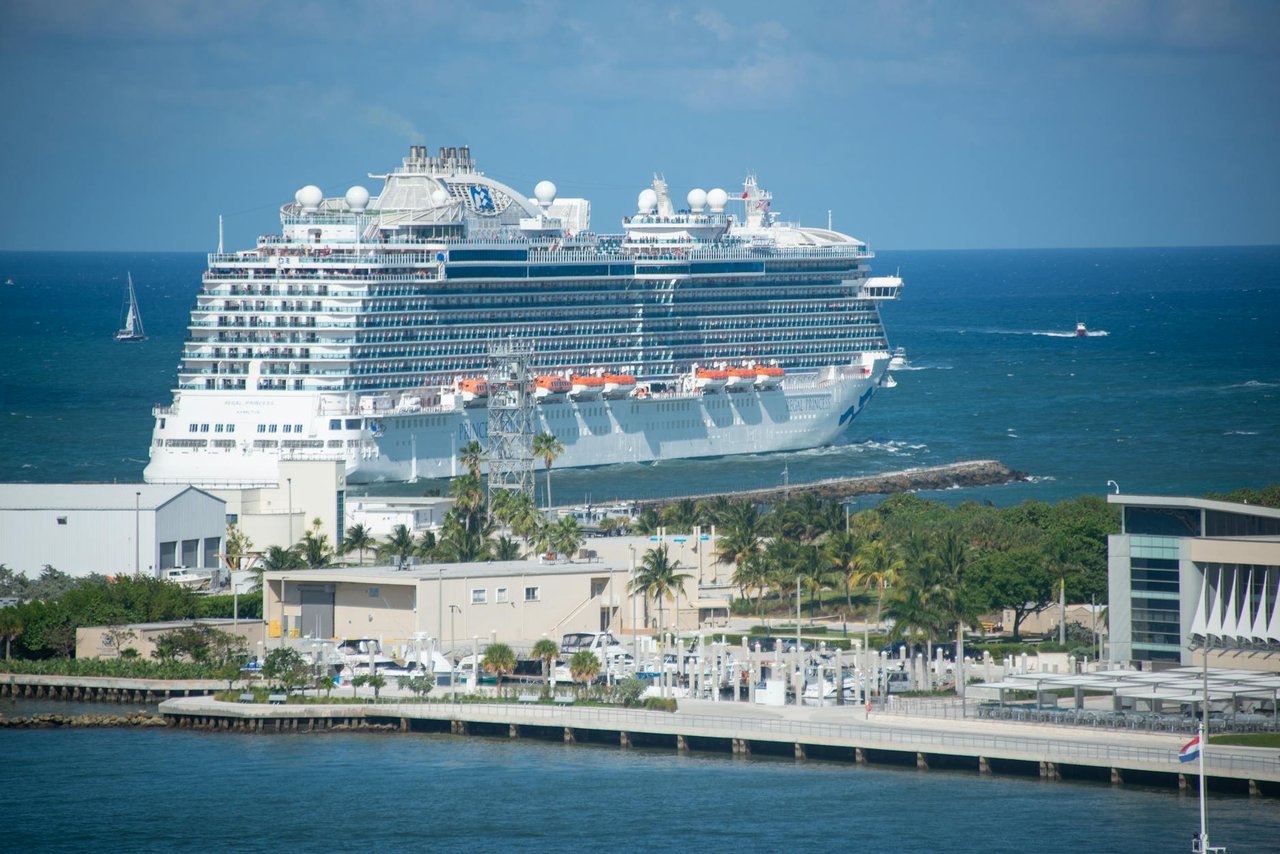
Passengers began disembarking the MV Hondius, the Dutch-flagged expedition cruise ship at the centre of the Andes hantavirus outbreak, at the port of Granadilla de Abona on Tenerife on Sunday 10 May 2026, in a carefully choreographed multi-nation repatriation operation overseen by Spain’s Ministry of Health and World Health Organization (WHO) Director-General Tedros Adhanom Ghebreyesus, who travelled to the Canary Islands for the operation.
The outbreak: 8 cases, 3 deaths, 38% fatality ratio
According to the WHO Disease Outbreak News update of 8 May, a total of eight cases — six laboratory-confirmed and two probable, including three deaths (two confirmed, one probable) — have been reported, giving a case fatality ratio of 38%. All six laboratory-confirmed cases were identified as Andes virus (ANDV) through PCR or sequencing. The MV Hondius departed from Ushuaia, Argentina, on 1 April 2026 on a 33-day expedition voyage across the South Atlantic, carrying 147 people (86 passengers and 61 crew) from 23 countries, with stops at Antarctica, South Georgia Island, Tristan da Cunha, Saint Helena and Ascension Island. The ship was first notified to the WHO by the United Kingdom’s National IHR Focal Point on 2 May 2026.
The disembarkation choreography
The vessel anchored at distance from the Granadilla port at a location designated by Spanish maritime authorities as “the safest” for the operation. Passengers wearing personal protective equipment were ferried ashore in “sealed, guarded vehicles”, then transferred to Tenerife Sur Airport for repatriation flights coordinated with their respective home countries. 14 Spanish passengers were flown to Torrejón de Ardoz military airport east of Madrid and transferred to the Gómez Ulla military hospital. A flight carrying French nationals landed at Le Bourget on Sunday — French Prime Minister Sébastien Lecornu confirmed that one of the five French repatriates showed symptoms of hantavirus during the flight and entered isolation upon landing. Upcoming flights are bound for the United States and Australia, according to the Spanish Health Ministry, with US passengers being flown by chartered aircraft equipped with biocontainment units to a specialised facility in Nebraska.
Tedros: This is not another COVID-19
WHO Director-General Tedros sought to reassure local residents in a public letter ahead of the ship’s arrival. “The current public health risk from hantavirus remains low,” he said. “You will not encounter them. Your families will not encounter them.” He thanked Spanish Prime Minister Pedro Sánchez for receiving the ship, calling the decision “an act of solidarity and moral duty.” Tenerife was selected because it has the medical infrastructure to support the passengers “while staying away from residential areas.” WHO assesses the risk to the global population posed by this event as low and continues to monitor the situation through the International Health Regulations (IHR) channel.
The science: Andes virus and human-to-human transmission
Hantaviruses are typically transmitted to humans through inhaled aerosolised urine, droppings or saliva from infected rodents. The Andes virus is the only hantavirus strain known to be transmitted person-to-person, generally through close, sustained contact in enclosed quarters — exactly the conditions of an expedition cruise. WHO’s working hypothesis is that “case 1 most probably acquired the infection prior to boarding through environmental exposure during activities he conducted in Argentina”, with subsequent human-to-human transmission onboard. Symptoms of hantavirus pulmonary syndrome (HPS) appear between 4 and 42 days after exposure, with fever, severe muscle aches, then progressive respiratory distress. There is no specific treatment — only supportive care, including hydration, oxygen and, in severe cases, intubation and dialysis.
The expedition cruise context
The Hondius outbreak puts a spotlight on the booming luxury expedition cruise market to remote destinations including Antarctica, the Arctic and the Sub-Antarctic islands, which has tripled in passenger volume over the past decade. Industry analysts told CNBC that the unique risks of remote-travel cruising — extended stops at uninhabited or sparsely populated locations, exposure to wildlife environments, and limited onboard medical capacity for biocontainment — are systematically underestimated. The vessel’s tour operator has not commented publicly on whether passenger pre-screening for rodent exposure during shore activities will be tightened.
The investor and travel-industry takeaway
Travel insurance markets are likely to reprice biocontainment risk on expedition itineraries. The US State Department has issued health guidance to American passengers via the CDC’s Health Alert Network, with the CDC describing the risk to the broader American public as “extremely low.” European port states are reviewing protocols for receiving disease-cluster vessels — Spain’s response, criticised early in the week as slow, ultimately drew praise for the operational choreography. With cases possibly continuing to emerge through the eight-week incubation window, public-health authorities in 23 countries are tracing contacts among passengers who disembarked at earlier ports of call and may have unknowingly exposed others on subsequent flights or in their home communities.