Food prices surge in southern Europe as energy costs hit shoppers
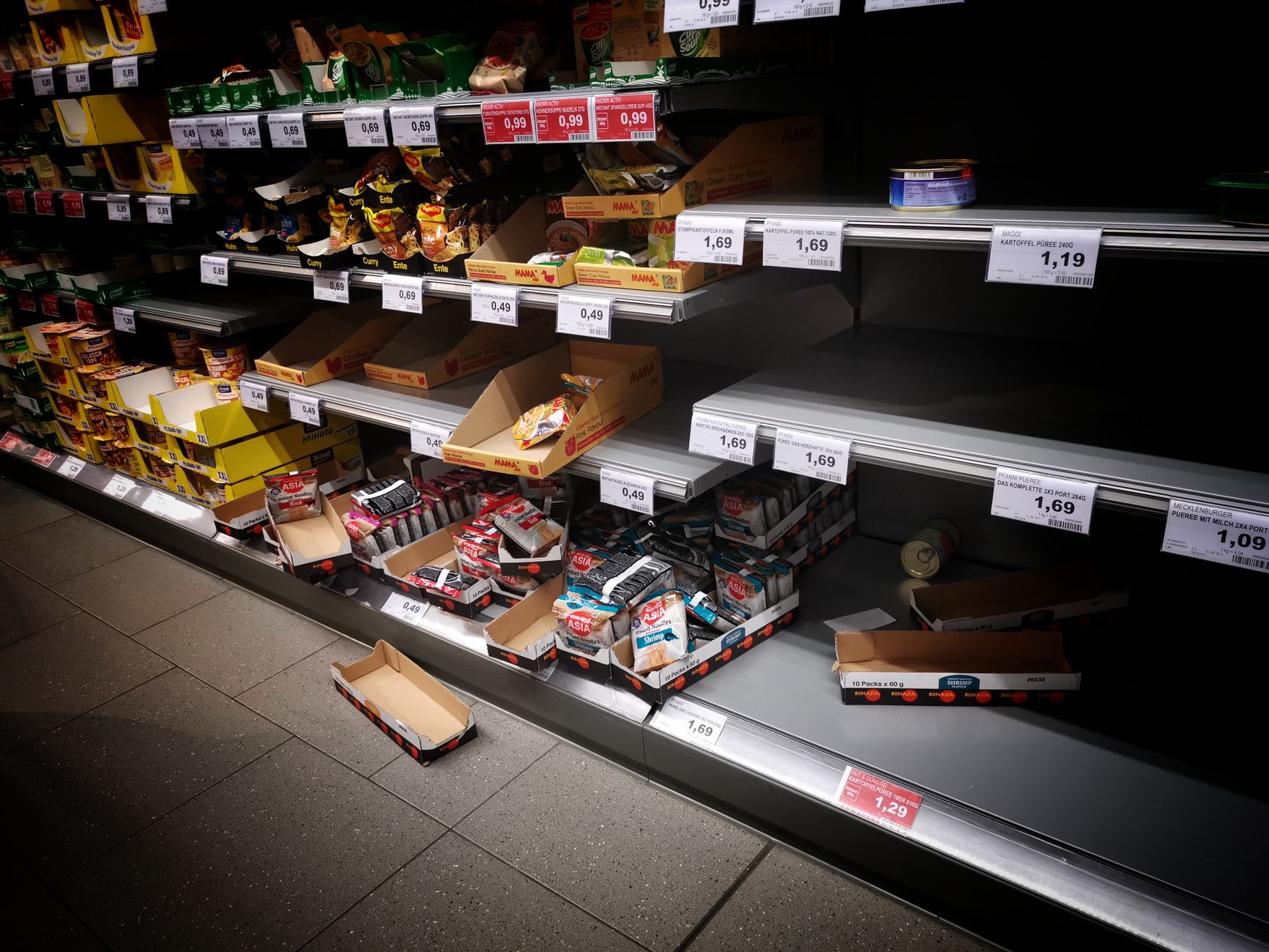
Food prices are climbing across Europe, with sharp increases in some countries as energy costs ripple through supply chains. In late October, supermarket shelves in Naples, southern Italy, stood half empty after lorry drivers blocked roads and ports for about two weeks over diesel costs. Warehouses stopped loading, and shelves of meat, fresh milk, fruit, and bottled water emptied in Campania, Puglia, and Calabria, with some small shops running out within a day.
Italy’s unprocessed food prices rose 7.5% year-on-year in October, up from 5.5% in September, according to preliminary data from Istat. Prices for a typical shopping basket of food, household, and personal care goods increased 2.5%, accelerating from 1.5%. The disruptions in southern Italy highlight how transport costs can quickly translate into higher grocery bills.
Eurozone inflation hits three-year high
Eurozone inflation reached 4% in October, the highest in more than three years, according to preliminary figures from Eurostat released on Wednesday. Energy was the main driver, with fuel, electricity, and heating costs up 20.8% year-on-year. Food, alcohol, and tobacco prices in the eurozone rose 1.6% in October, while unprocessed food prices jumped 4.6%, up from 2.7% in August. Nicola Nobile, chief Italy economist at Oxford Economics, said in emailed comments: “Energy and food drove the increase in prices, while core inflation remains broadly stable despite the ongoing energy shock.” Pantheon Macroeconomics expects eurozone inflation to peak at 4.5% in January and anticipates the European Central Bank will raise interest rates in December.
Diverging trends across the EU
Across the EU, food and soft drink prices rose 0.6% in September, the latest month with figures for every country. Cyprus recorded the steepest increase at 4% year-on-year, followed by Spain at 2.7%, Romania at 2.6%, Malta at 2.5%, and Portugal at 2.4%. In contrast, 14 of the EU’s 27 countries saw food and soft drinks cheaper than a year earlier, with Sweden posting the biggest drop at -6.3% after the government halved VAT on food from 12% to 6% on 1 April, a cut running until the end of 2027. Latvia, Hungary, and Czechia also saw declines between 3.8% and 4.8%.
Since September 2021, food in the EU has become about a third more expensive. Hungary experienced price increases of more than half, while Bulgaria, Estonia, and Romania saw rises just over 50%. Luxembourg, Sweden, and France recorded increases closer to a quarter. Several countries with the biggest increases are also those where food takes the largest share of household spending, meaning a 2% rise at the till takes a larger share of household budgets in Bucharest or Sofia than in Luxembourg. October figures suggest food price rises may pick up just as winter heating bills arrive, a burden shoppers in parts of southern Italy have already felt.