FIFA World Cup 2026: What It Means for European Business
The FIFA World Cup 2026 is no longer merely a sporting spectacle. As France prepare to face Senegal in New York this evening and defending champions Argentina open their campaign against Algeria in Kansas City, Europe’s boardrooms are watching the tournament as closely as its fans. The first edition to feature 48 teams across 104 matches in 16 stadiums spanning the United States, Canada and Mexico represents the largest football tournament ever staged — and European business is positioning itself to capture a significant share of the returns.
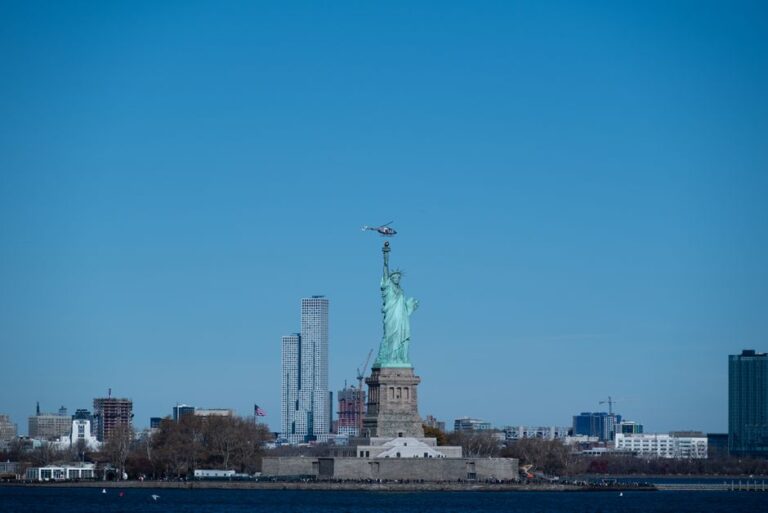
FIFA projects $5.2 billion in direct economic impact across host cities. US venues alone — New York, Los Angeles, Dallas, Miami, Philadelphia, Seattle, San Francisco, Kansas City and Boston — expect a combined 1.2 million international visitors during the group stage. That concentration of affluent, mobile consumers across nine major metropolitan markets is precisely the audience that European premium brands have spent decades cultivating in North America.
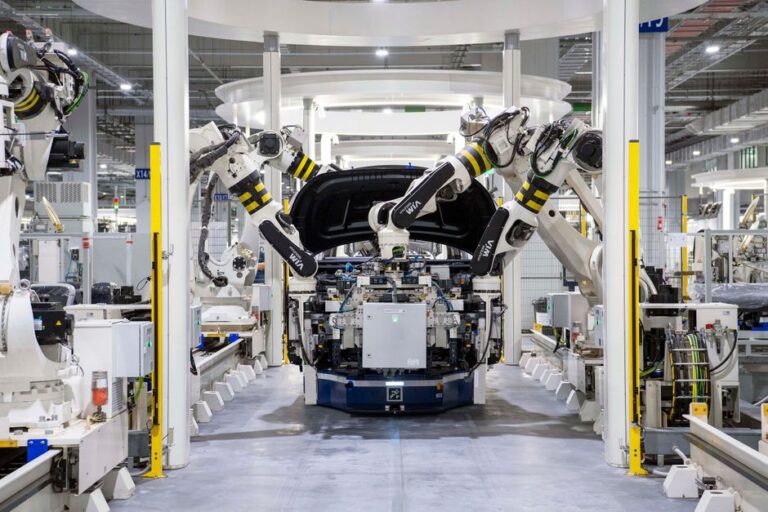
Companies including Airbus, Stellantis, LVMH, Adidas, BMW, Heineken and Miele have all invested heavily in World Cup marketing activations. The commercial logic is straightforward: the tournament reaches an estimated five billion viewers globally, delivering the kind of simultaneous cross-continental reach that no other single event can match. For European manufacturers and luxury houses with established North American operations, the World Cup offers a rare opportunity to convert brand visibility into measurable consumer engagement in their most competitive export market.
Broadcasting rights have generated their own economic story. A pan-European package coordinated across 50 countries is valued at €1.4 billion, sustaining significant revenue flows to rights-holding networks from London to Warsaw. With 16 European nations qualified — including France, England, Germany, Spain, Portugal, Italy, the Netherlands, Belgium, Austria, Croatia, Switzerland, Norway, Scotland, Czechia, Bosnia-Herzegovina and Hungary — audience engagement across the continent is expected to remain high throughout a tournament that runs until 19 July, with the final staged at New York New Jersey Stadium.
Europe’s technology sector is also embedded in the infrastructure of the tournament itself. Companies linked to the Sophia Antipolis AI cluster in southern France are among the European firms providing artificial intelligence-powered analytics, enhanced VAR refereeing technology and fan engagement platforms directly to FIFA. The World Cup serves as a live, globally televised showcase for European sports-tech capability at a moment when the sector is competing aggressively with American and Asian rivals for market share.
The tournament’s timing carries diplomatic weight too. The World Cup runs concurrently with the European Council and the G7, and senior European officials are using the international gathering atmosphere to advance EU trade and partnership interests with Latin American nations, notably Argentina, Colombia and Mexico — all of whom have teams in the competition and significant commercial ties with the bloc. Sport, in this context, functions as soft power with measurable foreign policy utility.
Perhaps the most immediately tangible European dividend is in tourism. Transatlantic bookings are surging as US fans travelling for matches extend their itineraries to include European city breaks. Industry analysts suggest summer 2026 may break transatlantic flight records, with European carriers, hotels and cultural destinations positioned as natural additions to any North American itinerary built around the tournament. What FIFA sells as a football competition, European business understands as a six-week commercial corridor between two of the world’s wealthiest consumer markets — and it intends to make full use of it.