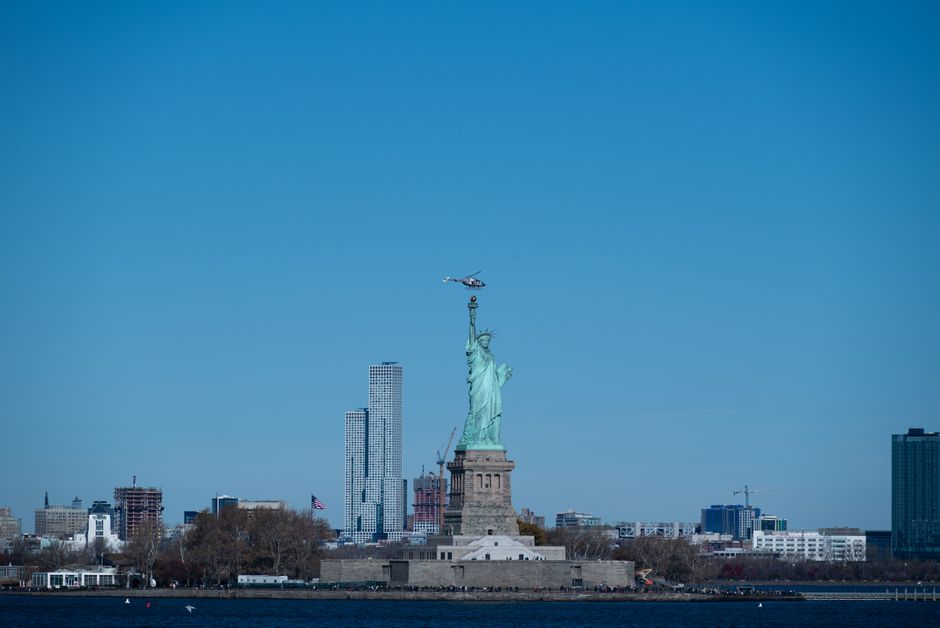
Bird Strike Identified as Cause of Fatal Helicopter Crash Involving Siemens CEO’s Family Over Hudson River
A flock of geese is believed to have brought down a helicopter carrying the chief executive of Siemens and members of his family over the Hudson River in New York, according to investigative reports emerging in the wake of the deadly accident. The crash, which claimed multiple lives, has drawn widespread attention on both sides of the Atlantic.
The Siemens CEO, who is originally from Barcelona, had been aboard a sightseeing helicopter along with five family members when the aircraft went down into the river. What was intended as a memorable aerial tour of one of the world’s most iconic cityscapes ended in catastrophe, with the incident sending shockwaves through the European business community and prompting urgent questions about aviation safety protocols in one of the busiest urban airspaces in the United States.
Investigators Point to Wildlife Collision
Authorities conducting the investigation have concluded that a collision with a flock of geese was the likely cause of the fatal crash, according to reports citing official findings. Bird strikes — collisions between aircraft and birds — are a well-documented hazard in aviation, and the area around New York’s waterways is known to be home to substantial populations of Canada geese and other large waterfowl. Such strikes can prove catastrophic when they disable engines or compromise rotor systems, particularly at low altitudes where recovery options are severely limited.
Officials said the inquiry is ongoing and that a full technical assessment of the aircraft’s systems and the circumstances of the flight will be completed in due course. Investigators are also examining whether standard safety procedures were followed prior to and during the flight, including any wildlife hazard assessments that may be required for commercial helicopter tour operations in the New York metropolitan area.
The tragedy has reignited debate around the regulation of tourist helicopter flights over densely populated urban areas and waterways. New York’s helicopter tour industry has faced scrutiny in the past following previous incidents, and advocacy groups have previously called for stricter controls on flight paths, minimum altitude requirements, and more rigorous pre-flight risk evaluations. It remains to be seen whether this latest disaster will prompt fresh legislative or regulatory action from U.S. aviation authorities.
From a European perspective, the crash carries particular resonance given the prominence of those involved. Siemens, one of Germany’s — and indeed Europe’s — largest industrial conglomerates, is closely watched by markets, policymakers, and industry observers across the continent. The personal dimensions of the tragedy have prompted expressions of condolence from business and political circles in both Germany and Spain, where the CEO’s family ties are deeply rooted.
Bird strikes cost the global aviation industry hundreds of millions of euros annually and are responsible for a disproportionate share of accidents involving smaller aircraft and helicopters, according to aviation safety data. While commercial airliners are engineered with a degree of resilience to such events, smaller rotary-wing aircraft operating at low altitudes face considerably greater risk when wildlife incursions occur. Safety experts have long argued that the frequency of wildlife-related aviation incidents in urban environments warrants more systematic mitigation strategies, including habitat management around busy flight corridors.